The economic opportunity of rewilding
2 Nature tourism
You learned in Module 1 that rural economies, societies and landscapes across much of Europe are changing as more people move to urban areas. This can create challenges, but also opportunities, such as space for nature to recover and wildlife to return so the beauty of wild nature can become an important attraction for visitors.
Nature-based tourism (or nature tourism) has huge potential to be a driver for rewilding, as more and more people live in urban areas and like to escape from time to time. This has resulted in nature-based tourism being a fast-growing sector (Haukeland et al., 2023). It encompasses travel and recreational activities that are centred around immersing oneself in natural environments, while appreciating its biodiversity and efforts to restore nature.
This form of tourism involves visiting natural and attractive landscapes such as forests, mountains, rivers and coastal areas with a strong emphasis on practicing responsible and low-impact ways of travel.
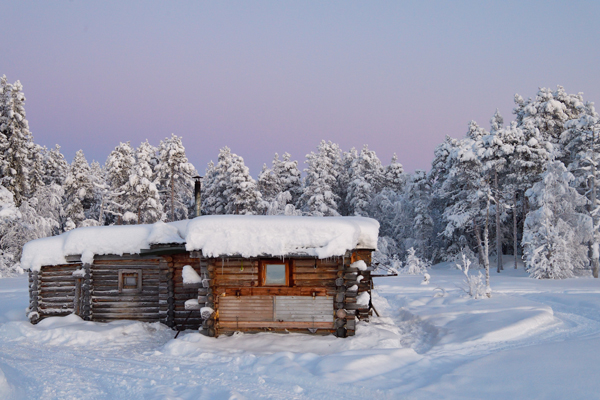
Eagle watching hide at ecotourism site. In winter it can reach -30 C in the boreal Taiga forest. Kalvtrask, Västerbotten, Nordic Taiga, Sweden. Credit: Staffan Widstrand.