Terrestrial rewilding
8 Coexistence
8.2 Managing success
The successful recovery of nature in Europe will mean an increase in wildlife populations. This is a cause for celebration for many reasons and can generate a wide range of benefits and new opportunities.
It will also pose challenges, which may influence people's behaviour and the way landscapes and seascapes are managed and used.
Human responses to such challenges can lead to behaviours that harm wildlife, such as causing habitat damage and disturbance. They may lead to more extreme actions such as retaliatory killings through shooting or poisoning, or misinformation campaigns against wildlife.
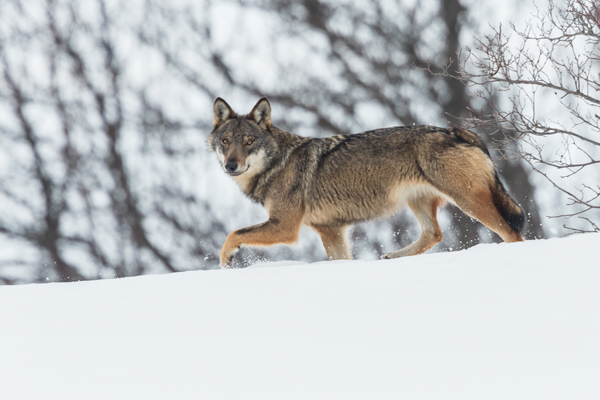
Wild Italian wolf, walking in the snow, in the Central Apennines. Credit: Bruno D´Amicis / Rewilding Europe.
The return of wildlife in some areas of Europe has already prompted a pushback against some species. The response to the increase in wolf numbers and geographical range in Europe is a striking example of this. Despite no recorded fatal wolf attacks on humans over the past 40 years and manageable losses to livestock (European Commission, 2023), the wolf has nonetheless become symbolic for those that oppose environmental protection.
Resistance to wolf comeback includes calls to downgrade its protected status with serious potential repercussions for wolves and many other species in future.
To enable wildlife comeback and nature recovery in Europe, we must proactively promote coexistence. To do this, we need to work with people to understand their fears and challenges, and find ways to address them in a constructive and collaborative way.
Different human perspectives
Most human–wildlife coexistence issues are underpinned by different human perspectives on how and whether humans should share space and resources with wildlife again, the relative risks of wildlife to different interest groups, and the cultural values that different species reinforce or challenge (International Union for Conservation of Nature, 2023).
For instance, farmers might resent the return of predators like wolves or bears, fearing for their livestock and safety. People may also fear that removing dams and embankments will change the flow of a river and put their homes and property at risk from flooding.
At the heart of these issues lie differing perceptions of the value of wildlife, fears for livelihoods, and different priorities regarding land use and conservation.
Left unaddressed, these issues can escalate, leading to strained relationships, lawsuits, loss of livelihoods, and even violence between people, as well as against wildlife.
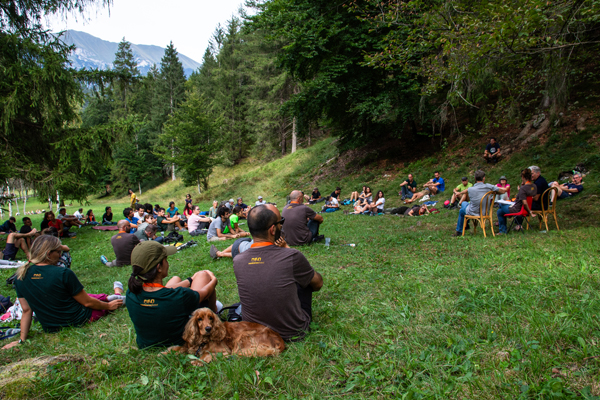
Coexistence Festival. Credit: Io Non Ho Paura Del Lupo.
To prevent these situations from arising, coexistence strategies must be developed through collaborative approaches, while respecting legal regulations and laws. Such approaches bring people together to share their needs and experiences, and plan, implement, and govern strategies to meet those needs.
In this way, the people living with wildlife can agree together who should benefit from prevention measures (such as electric fences and guardian dogs), what to do if problems still occur, and who is responsible for responding and overseeing this.
In Europe, there are countless examples where this has been done in a successful way – in some cases, for centuries.