Freshwater rewilding
1 Rivers
1.1 Human impacts on rivers
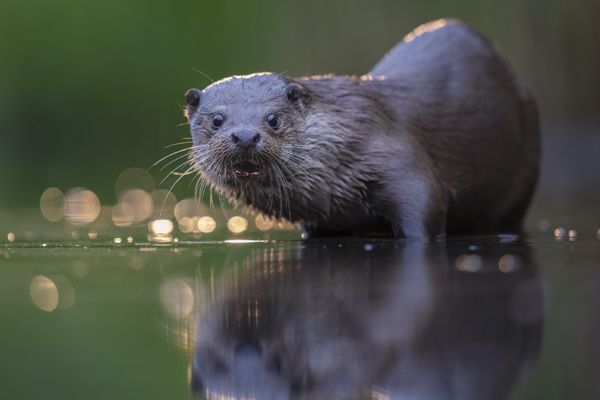
Eurasian otter, Lutra lutra, Pusztaszer reserve, Hungary. Credit: Staffan Widstrand / Wild Wonders.
Today, freshwater systems are also impacted by ongoing human activities. Water may be removed from rivers for irrigation, or added to them as wetlands and forests are drained. These removals and additions influence the chemical composition, speed and flow of river water, altering habitats, sedimentation and flood patterns.
The majority of European rivers are now in poor health, with only a few truly wild stretches remaining. The result has been a huge reduction in biodiversity and water quality accompanied by a widespread deepening of riverbeds and a massive loss of floodplains and wetlands.
In many cases, European rivers have been altered so much that we no longer know what wild water looks like. With climate change bringing new challenges we urgently need a new relationship with water – accepting it into our landscapes again and rewilding it where we can.