3 Marine rewilding vs terrestrial rewilding
Rewilding in terrestrial or freshwater systems has parallels and differences with rewilding in the sea.
Click on each heading below to learn more:
-
Grazing
On land, overgrazing by livestock can prevent natural regeneration of woody plants. Similarly, in the sea, overgrazing by herbivorous fish like rabbitfish can deplete and prevent regeneration of macroalgae (seaweeds).
-
Boosting connectivity
The sea is inherently more connected than the land. On land, rewilders often work to remove physical barriers left by people: obsolete dams, embankments and fences, as well as linear infrastructure such as roads and railway lines that prevent movement across entire landscapes. At the coast, similar physical barriers may include dams, harbours and other coastal infrastructure. In off-shore marine environments, it is more rare that man-made structures prevent movement, particularly as marine species can move in depth while terrestrial species are confined to the land surface. Instead, marine wildlife species typically need ‘stepping stones’ or networks of sanctuaries and protected areas – places where they can recover and regain their abundance, and from which they can recolonise far more extensive areas when conditions allow.
-
Reducing pressure
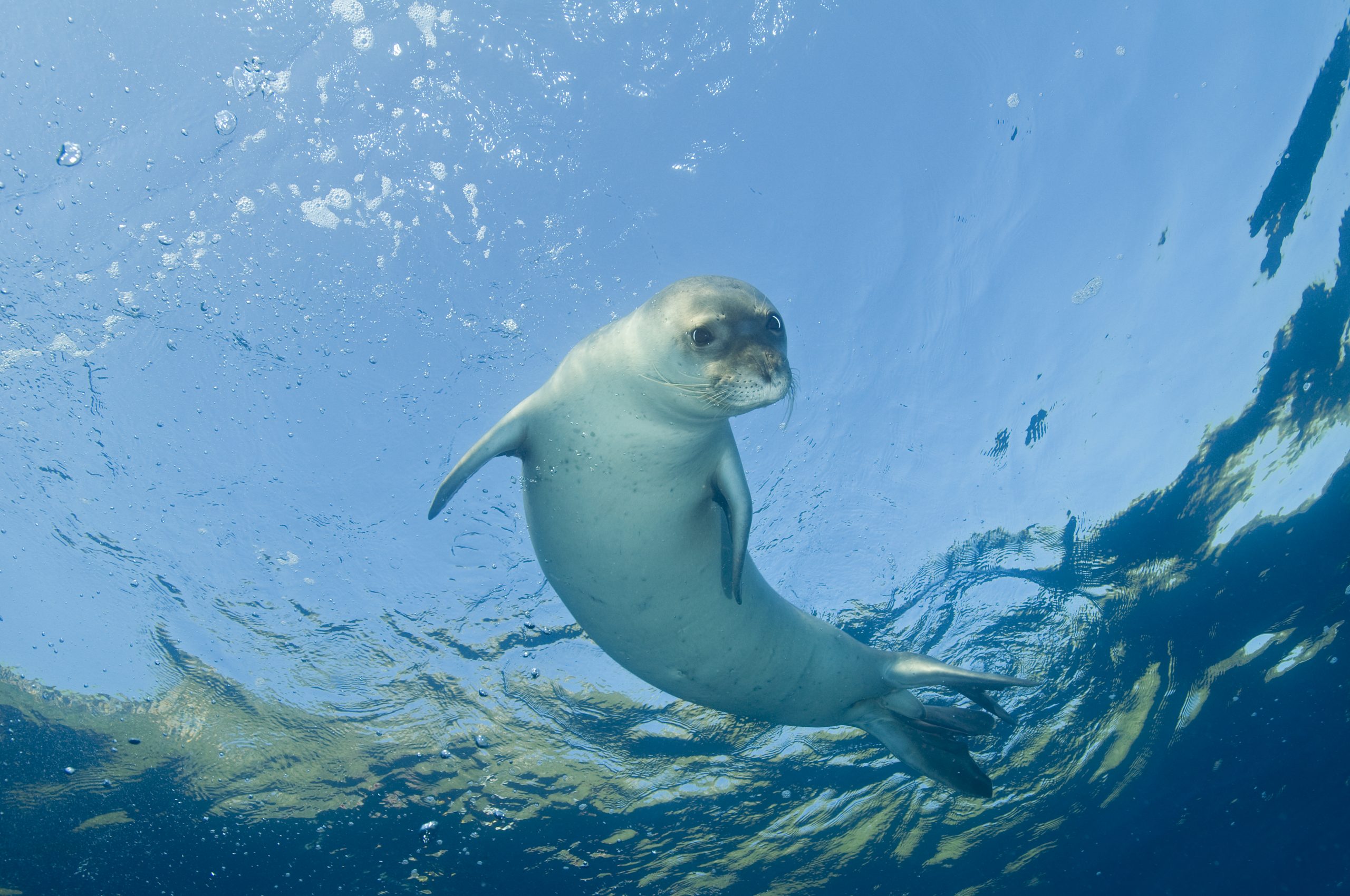
Unregulated hunting on land can lead to the decline of animal populations – this is particularly the case with large mammals. In the sea, we also see a decline in the populations of many marine mammals and larger fish species. This is caused by a range of factors, including overfishing of fish stocks that support carnivorous fish and marine mammals (Pacoureau et al., 2021), and accidental harm to marine mammals through entanglement in discarded nets and collisions with boats.
Credit: Mediterranean Conservation Society (AKD).
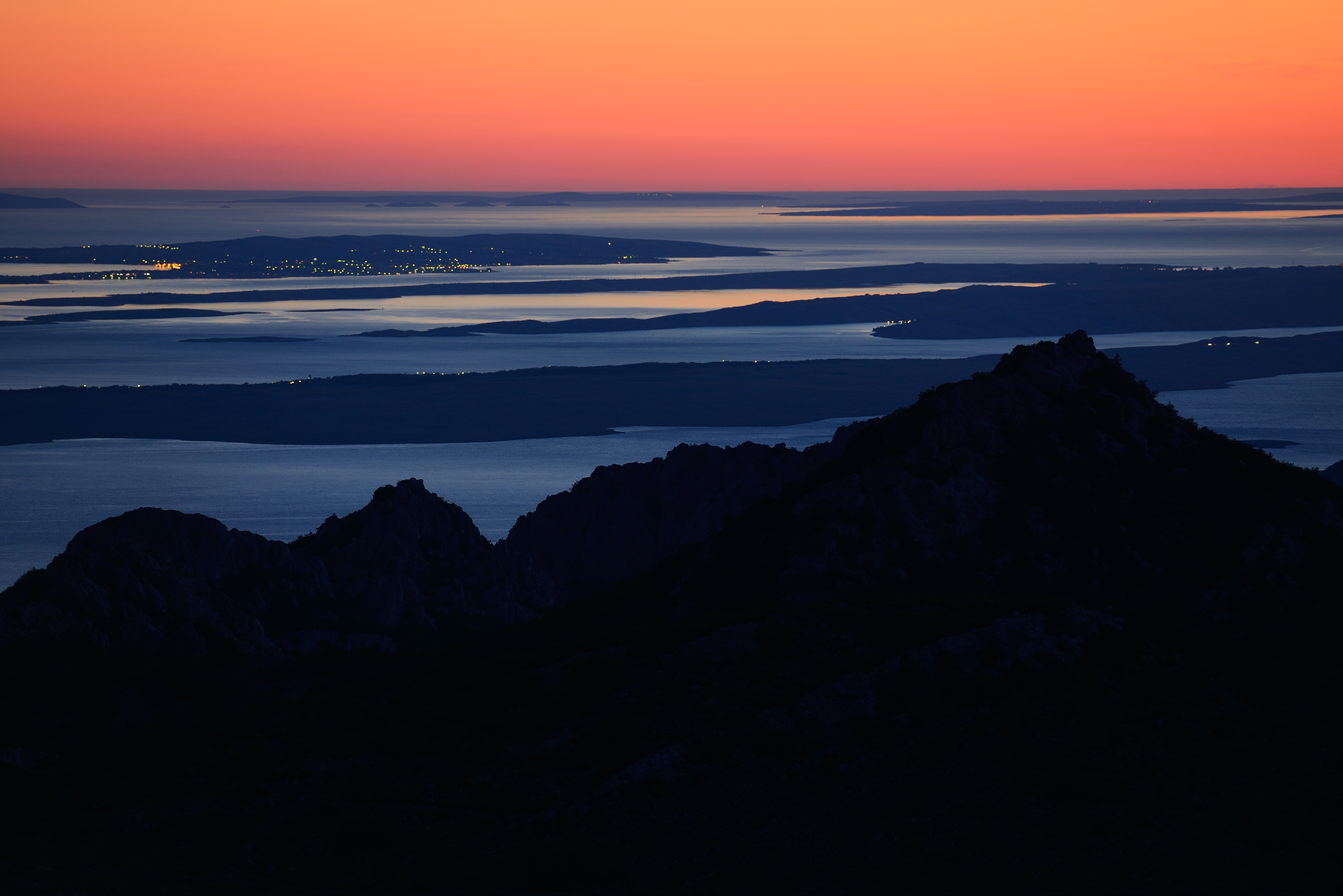
As you have seen from the example of hunting concessions in Croatia's Velebit Mountains in Module 4, one way to reduce human pressure on a landscape is for rewilders to acquire hunting rights and then reduce hunting pressure to an absolute minimum. This change in management works to support rewilding.
In the ocean a similar move to reduce human pressure is by acquiring fishing rights and then reducing fishing to the minimum legal level, mirroring the acquisition of hunting rights by terrestrial rewilders. Learn more about this approach by reading this article Conservationists buy fishing licence in Great Barrier Reef to create net-free safe haven for dugongs (Hinchliffe, 2022).
Active and passive marine rewilding
Just as on land, marine rewilding can be ‘passive’ – letting nature lead and seeing what happens next. Or, when needed, it can include active interventions to help natural processes return. These interventions can be divided further into practical habitat restoration efforts and species reintroductions.

First, we will look at passive restoration, where nature leads its own recovery.