Unit 3: Inclusive action and legal responsibilities
Session 2: Inclusive practice in action
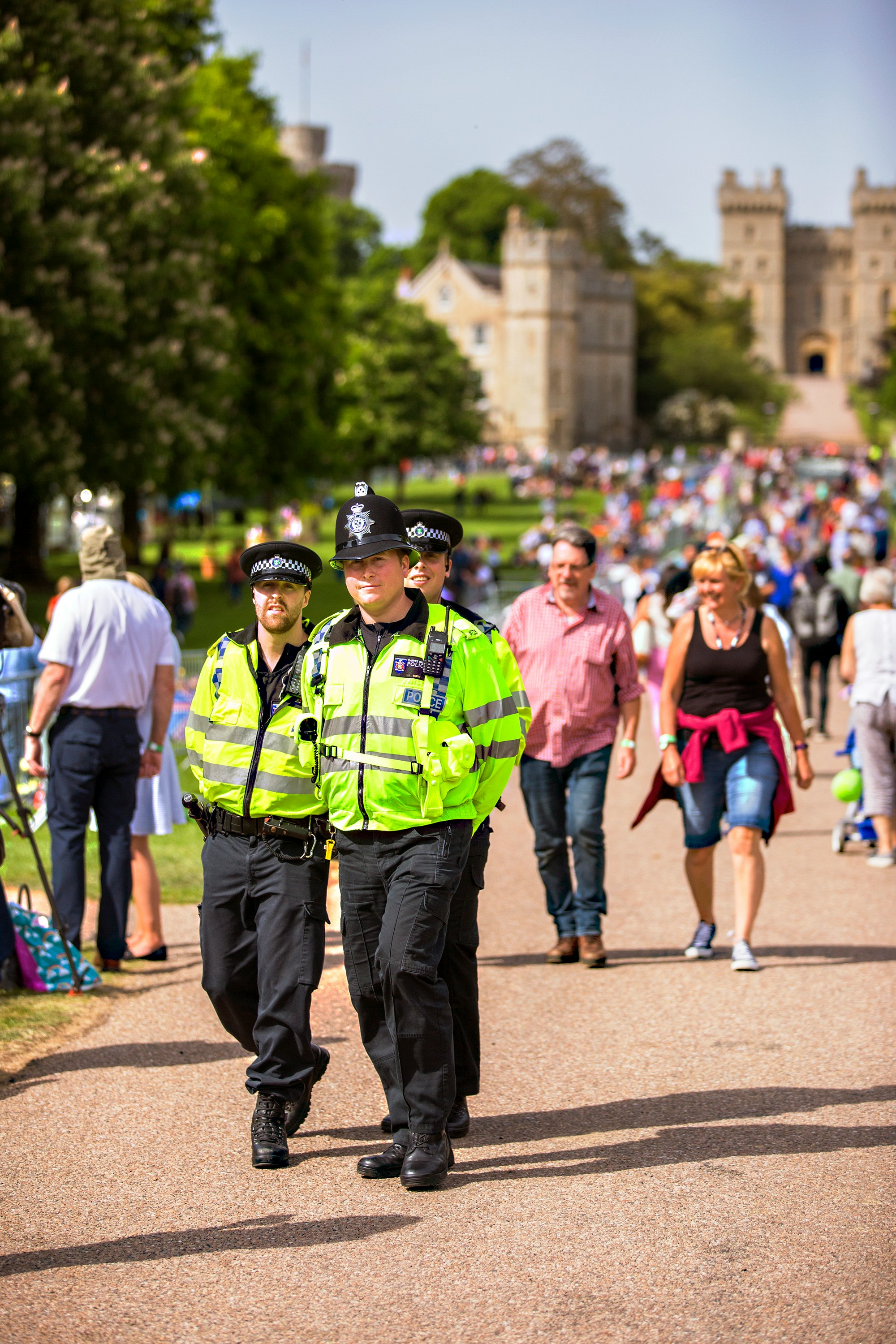
Inclusive policing isn't a one-off gesture. It’s a mindset, a habit and a team effort. In this session, we explore what inclusive practice looks like day-to-day, how to maintain it under pressure and how teams can support each other to make these adjustments part of routine, not exception.
You’ll also walk through a realistic scenario to see inclusive behaviours in action and reflect on how this could apply to your own role and team.
What does inclusive practice look like?
Inclusive practice in policing means doing the small things consistently to help neurodiverse individuals feel safe, understood and treated fairly.
Examples of inclusive behaviours in everyday policing include:
- slowing down when you notice that someone is overwhelmed
- repeating questions using the same language, not rephrasing each time
- stepping back to reduce physical or sensory pressure
- explaining what you're doing before you do it
- using a calm and clear tone, even when under pressure
- being open to routine, repetition or scripting rather than challenging it.
These adjustments might not feel noticeable to you but they can completely change the experience of the person you’re speaking to.
It’s a team effort
Inclusion works best when it’s modelled and reinforced by a team, meaning that:
- supervisors give space for discussion about good practice
- colleagues back each other up when adjustments are made
- assumptions are called out when someone labels a person in a discriminatory way
- inclusive language is part of your culture, not just policy.
Team culture matters. People are more likely to maintain inclusive behaviours when it’s seen as ‘how we do things’, not just ‘what that one officer does’.
Now move on to the next session.