What is the Digital Energy Transition and why is it important?
6. The potential of the digital energy transition
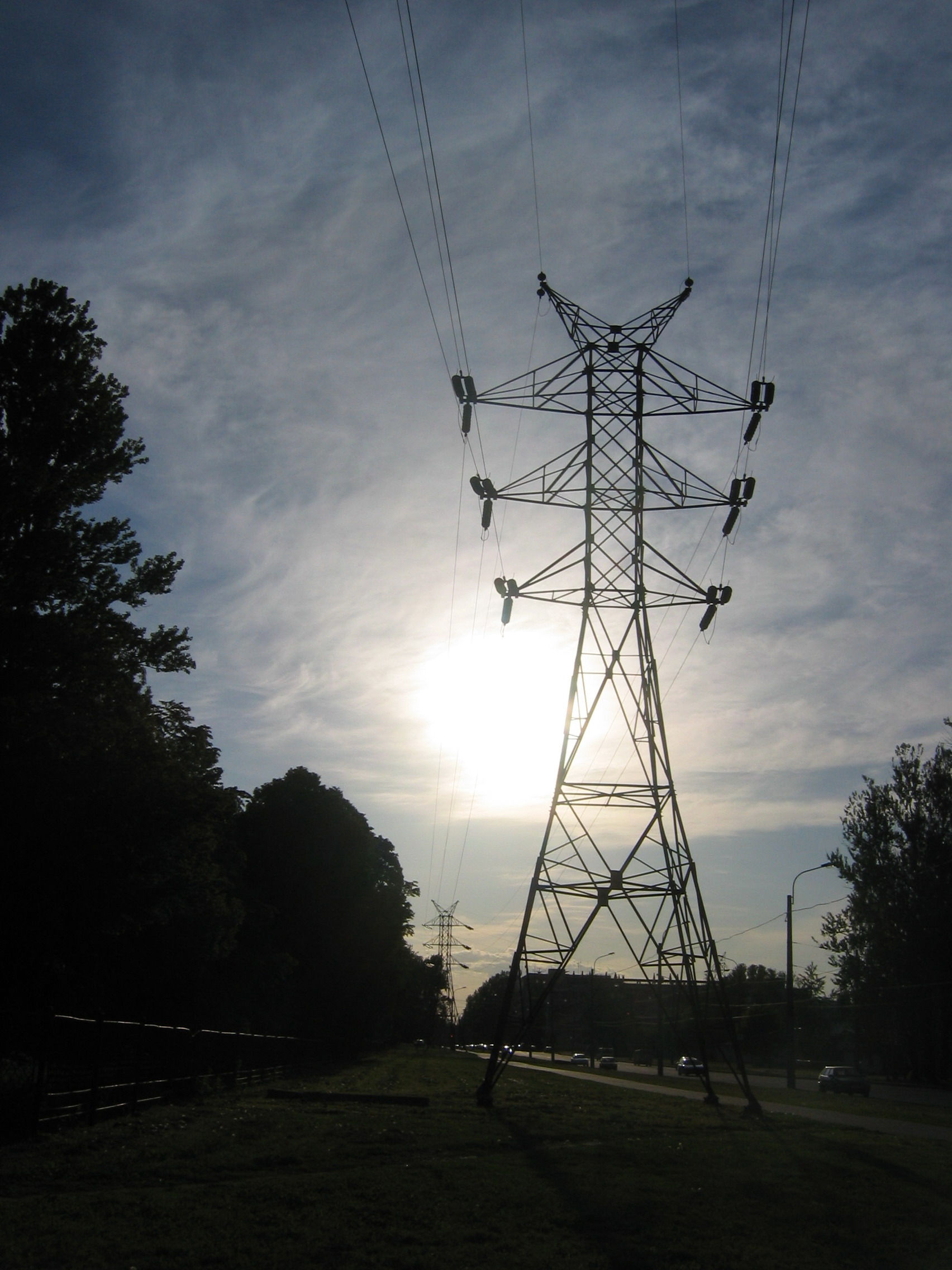
Using digital technologies to better understand and manage your own energy consumption and potentially reduce costs is one aspect of the digital energy transition. However, the greatest transformational potential for digitalisation is how it can optimise the consumption and production of energy. Our transition away from fossil fuels to renewable energy sources by using digital technologies includes the following connected opportunities:
- Demand response: One billion households globally and 11 billion smart devices could actively participate in interconnected electricity systems. This would enable households and devices to flexibly draw electricity from the grid, for example, choosing to use appliances at off-peak times, when less electricity is consumed overall, and it is therefore cheaper. This is known as demand response (DR). We will discuss the role of demand response in more detail in Week Four of the course.
- Intermittent renewables: Digitalisation can support better integration of intermittent renewables (e.g. energy sources such as solar and wind that often fluctuate throughout the day) by enabling the grid, suppliers, producers and consumers to better match energy production and consumption. This means we can make the most of when renewable sources, such as the sun and the wind, are available.
- Smart charging technologies: Rolling out smart charging technologies for electric vehicles. This could help shift charging to periods when electricity demand is low, and supply is abundant. Alternatively charging could reduce grid demand through using stored energy later in the day, when the grid might need more energy production and less consumption. In both cases, there is the potential to save money and benefit from dynamic pricing (where energy costs less when there is less demand and vice versa).
- Distributed energy resources: Digitalisation can facilitate the development of distributed energy resources (DER), such as household solar panels. For example, you may be able to sell surplus electricity to the grid.