A Deeper Look at Electricity Markets
2. Introduction
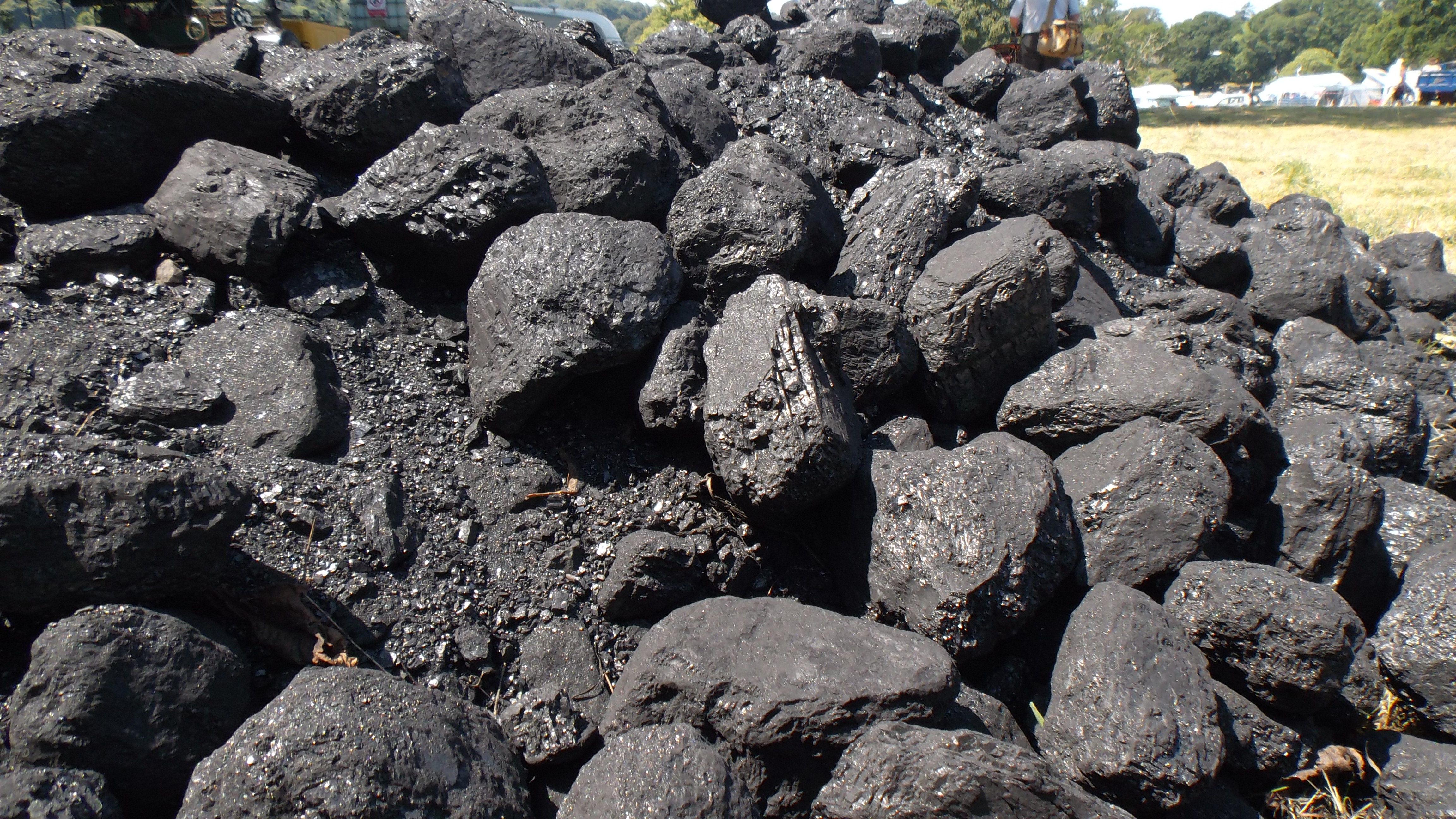
Week four looks at what factors influence the cost of our energy, how electricity markets work and what you can do to reduce the cost of your energy bills. Electricity comes from three primary energy sources: fossil fuels (for example, coal, natural gas and oil), nuclear power and renewable energy sources (including solar, wind, hydro and biomass). As we move away from the use of fossil fuels for electricity generation, there is a growing emphasis on increasing production from renewable and clean technologies (such as solar, wind and hydro). This will reduce our impact on the environment and achieve sustainability goals. Increased renewable technology penetration impacts wholesale prices, volatility, and the need for flexible mechanisms like demand response.
In 2024, renewable sources provided 47% of energy produced in the European Union, compared with 46% in 2023 and 41% in 2022. This marks the first year that renewables have generated nearly half of the EU's electricity, with the fossil fuel share falling to a historic low. Increasing electricity production from clean technologies to decrease emissions is a key aspect of the digital energy transition and European policy. Digitalisation supports this through grid monitoring, flexibility platforms and consumer participation. Digital tools (e.g. smart meters, automated appliances, dynamic pricing) enable demand response in practice.
In this week of the course, we also take a closer look at the role of demand response as one way in which electricity companies manage consumer demand, and what this means for your energy bill.