Working Together for a Better World
3. What is an energy community?
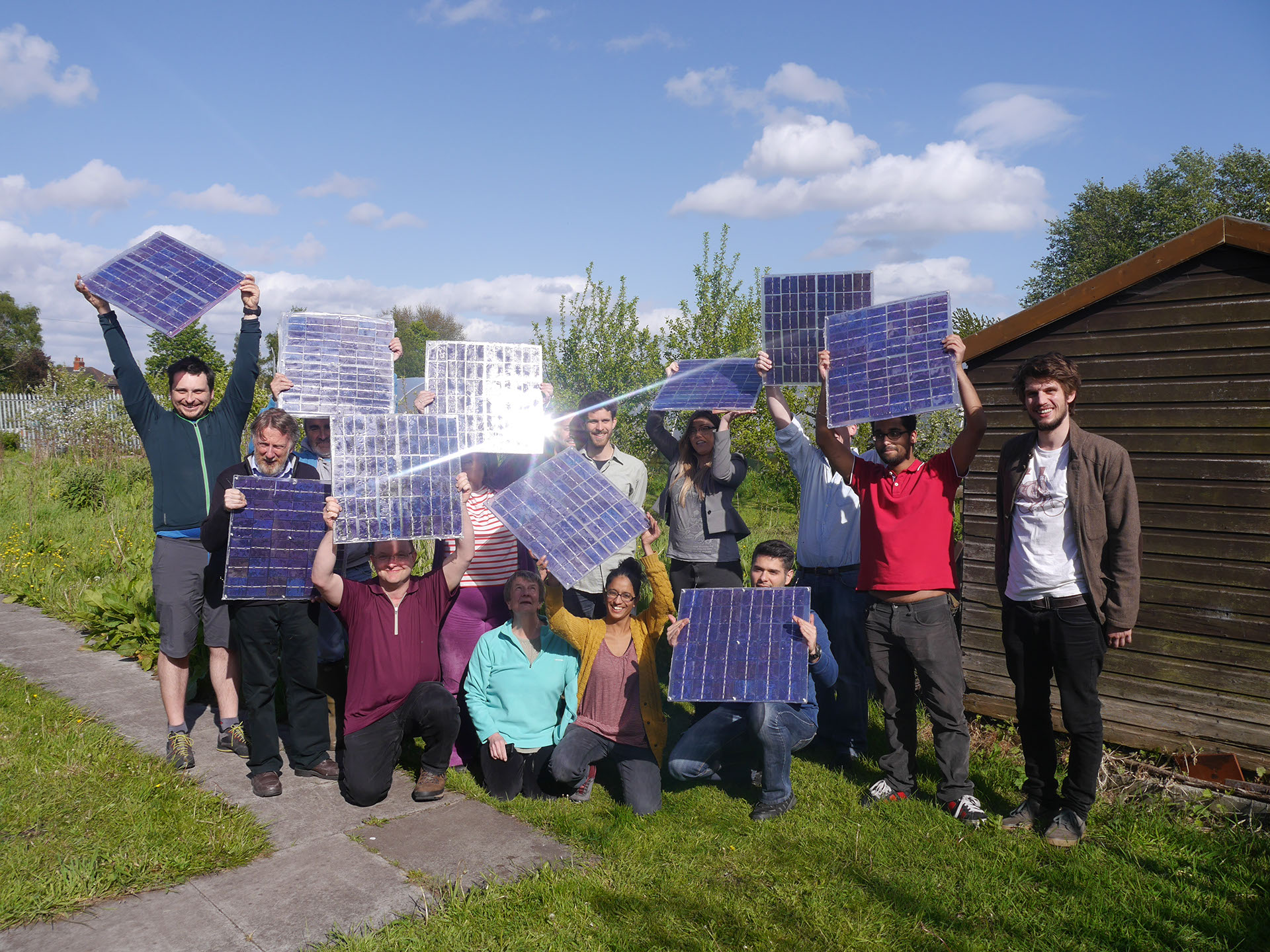
In this article In focus: Energy communities to transform the EU’s energy system energy communities are described as “legal entities that empower citizens, small businesses and local authorities to produce, manage and consume their own energy.
Anyone can become involved in an energy community. Energy communities can also take different forms, depending on their members’ needs. For example, some energy communities might focus on the production of energy, whilst others might focus on the storage or distribution of energy. There are a range of different energy-related services that might also be provided to energy community members.
Across Europe, there are three common models for energy communities. These models can be described as follows:
- Direct agreement with an electricity generator (rather than electricity supplier, which usually provides household electricity supplies) which enables the energy community to buy energy directly and in bulk. These are sometimes called Power Purchase Agreements (PPA).
- Using membership fees to fund the production of energy by providing financial support for production installations.
- Linking energy consumers and producers in the same region so that individual households can buy and sell energy, according to their national legislation.
Different models may also be combined depending on member needs. Under EU law, energy communities can take the form of any legal entity including an association, a cooperative, a partnership, a non-profit organisation or a limited liability company.
Digitalisation enables and supports energy communities. For example, digital technologies have an important role to play in managing the buying and selling of energy generated by renewables such as household solar panels.
National legislation is also key to determining what form an energy community can take.