Lesson 1.3: Who Drives ‘Anti-Gender’ Politics?
4. Country Snapshots & Intersectional Impacts

Country Snapshots
|
Hungary: Silencing Knowledge and Civil Society |
 |
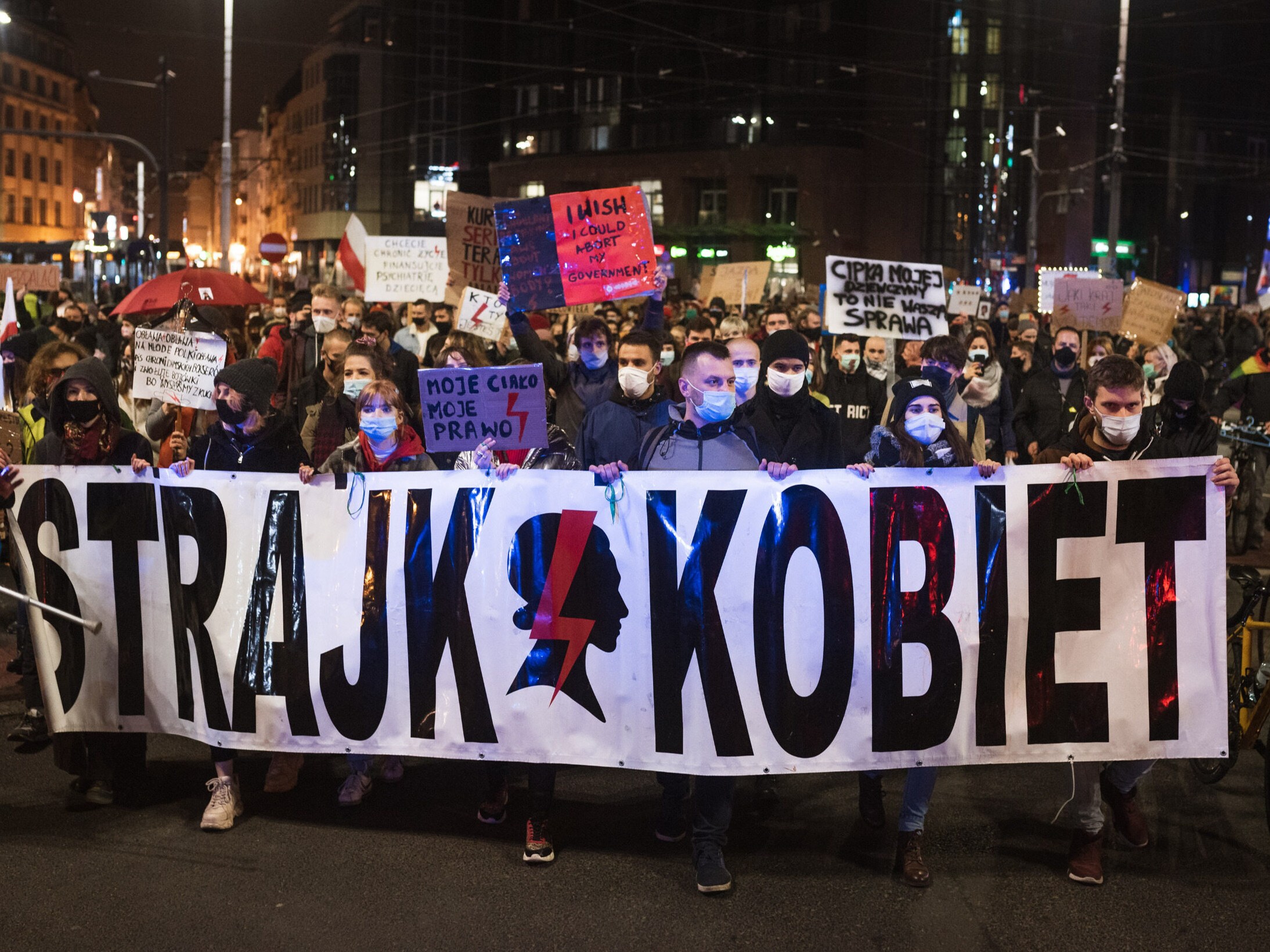 |
Poland: Rights Under Siege Under the Law and Justice (PiS) government, Poland saw abortion restrictions, ‘LGBT-free zones,’ and public vilification of feminists. Yet grassroots protests such as the Black Marches and Women’s Strikes built new solidarities, even as anti-trans tensions surfaced within feminism. |
| United Kingdom: Media Warfare and Culture Wars Gender-critical actors shape national culture wars, with disproportionate impacts on racialised and migrant trans people. |
 |
 |
Switzerland: ‘Child Protection’ as a Trojan Horse Far-right youth groups, politicians and mainstream media target queer events and sex education at schools, linking queer visibility to moral panic. |
| France: Laïcité and ‘Islamo-gauchisme’. Attacks on intersectional and decolonial scholarship are framed as defences of academic neutrality – reproducing anti-gender logics through civic universalism. |  |

Intersectional impacts
‘Anti-gender’ campaigns do not affect everyone equally. They compound existing hierarchies of race, class, citizenship, and ability. A trans migrant woman, a Black feminist scholar, or a disabled queer activist experience not a single attack but an overlapping structure of vulnerability. Intersectionality helps us see how anti-gender politics seeks to divide communities –pitting cis women against trans people or using selective LGBTQ+ inclusion to promote Islamophobia and racism (homonationalism).
Final reflection
‘Anti-gender’ politics is not a single ideology but a coalition of convenience –a dynamic network that thrives by linking fears about gender and sexuality to nationalism, racism, and control. These campaigns attack not only rights but also knowledge and imagination, seeking to determine whose realities count as legitimate. Resisting them demands clarity: clarity about who the actors are, how they operate, and why intersectional solidarity – across feminist, queer, migrant, and anti-racist struggles – remains their greatest threat.