Part 2 - Core Stages in the Journey
4. How Practice Differs Across Europe
Differences Across Countries
Different systems, similar stages
One of the strengths of Clarus is that it looked across several European partner countries rather than treating one national system as normal for everyone. This matters because the handling of digital evidence is shaped by:
-
local structures
-
legal systems
-
resources
-
role boundaries
Across the partner countries, the broad stages of the process are recognisable, but the details vary.
In some settings, digital forensic specialists are more likely to be closely involved at particular stages. In others, investigators may take on more responsibility for analysis after a forensic image has been created.
The following can all differ between systems:
-
the presence or absence of certain roles
-
the way requests are made
-
the degree of formal corroboration
-
the availability of infrastructure
Clarus does not present these differences as a simple good or bad ranking. Instead, it shows that the journey of digital evidence is shaped by the system it moves through.
Why do these differences matter?
This is also important for public understanding. It reminds us that there is no single universal routine that applies in exactly the same way everywhere.
The broad principles may be shared, but practices can vary across jurisdictions and organisations. That is one reason why clear processes, shared language, and well-managed information flow are so important. They help reduce confusion where systems differ.
Do all cases follow the same process?
So far in this module, we have looked at the journey of digital evidence as a series of stages, from the crime scene through to analysis and use in an investigation. This can make the process seem quite structured and predictable.
In practice, the process is not always the same.
One of the key findings from the Clarus research is that how digital evidence is handled can vary depending on:
-
the type of case
-
the context
-
the resources available
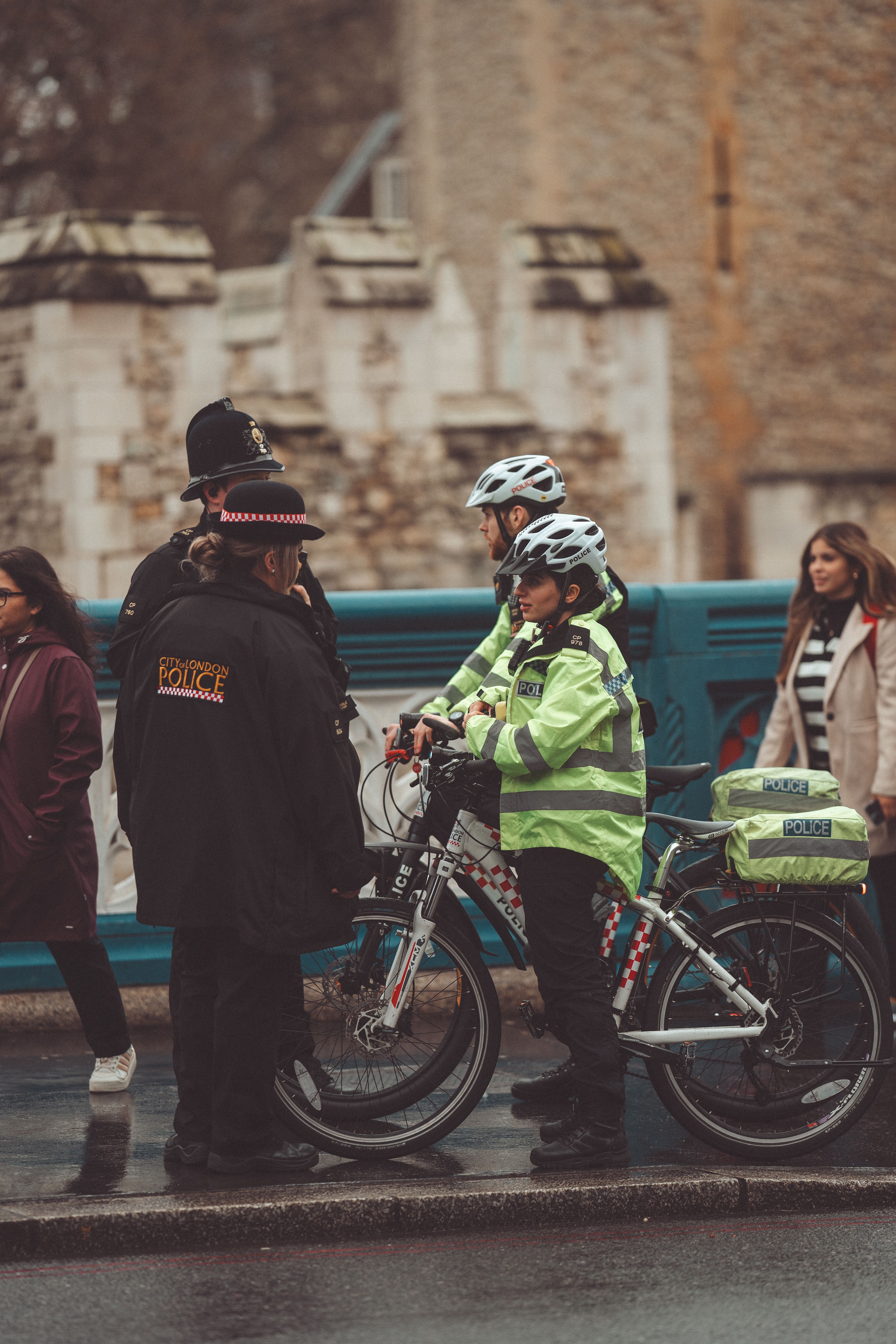
The urgency of the case
For example, in a high-priority or time-sensitive case, decisions may need to be made more quickly. This can affect how evidence is handled at the scene, how quickly it is passed to specialists, and how much time is available for detailed analysis.
The type of crime
Different types of crime can also shape the process.
A case involving online fraud may focus more on digital traces such as communications, accounts, and transaction records.
A violent crime may involve a wider mix of physical and digital evidence, where devices are only one part of the investigation.
Who carries out the work?
There can also be differences in who carries out certain tasks.
In some situations, digital forensic practitioners may be closely involved in the early stages of a case. In others, frontline officers or investigators may carry out initial handling or decision-making before specialists become involved.
Differences between organisations and countries
Clarus also highlights that systems differ across organisations and countries. This means that while the overall stages may be similar, the detail of how those stages are carried out can change.
The important point is that there is no single fixed way that digital evidence moves through a case. The process is shaped by the situation.
Knoweledge Check:
Clarus found that communication failures arise less from a lack of interaction and more from how communication is structured, recorded, and understood.
Move to the next page by clicking the arrow on the top right to move to the next page in this section.