Getting Started: Your Research Capability Hub Course
8. Learning Design: Getting Started
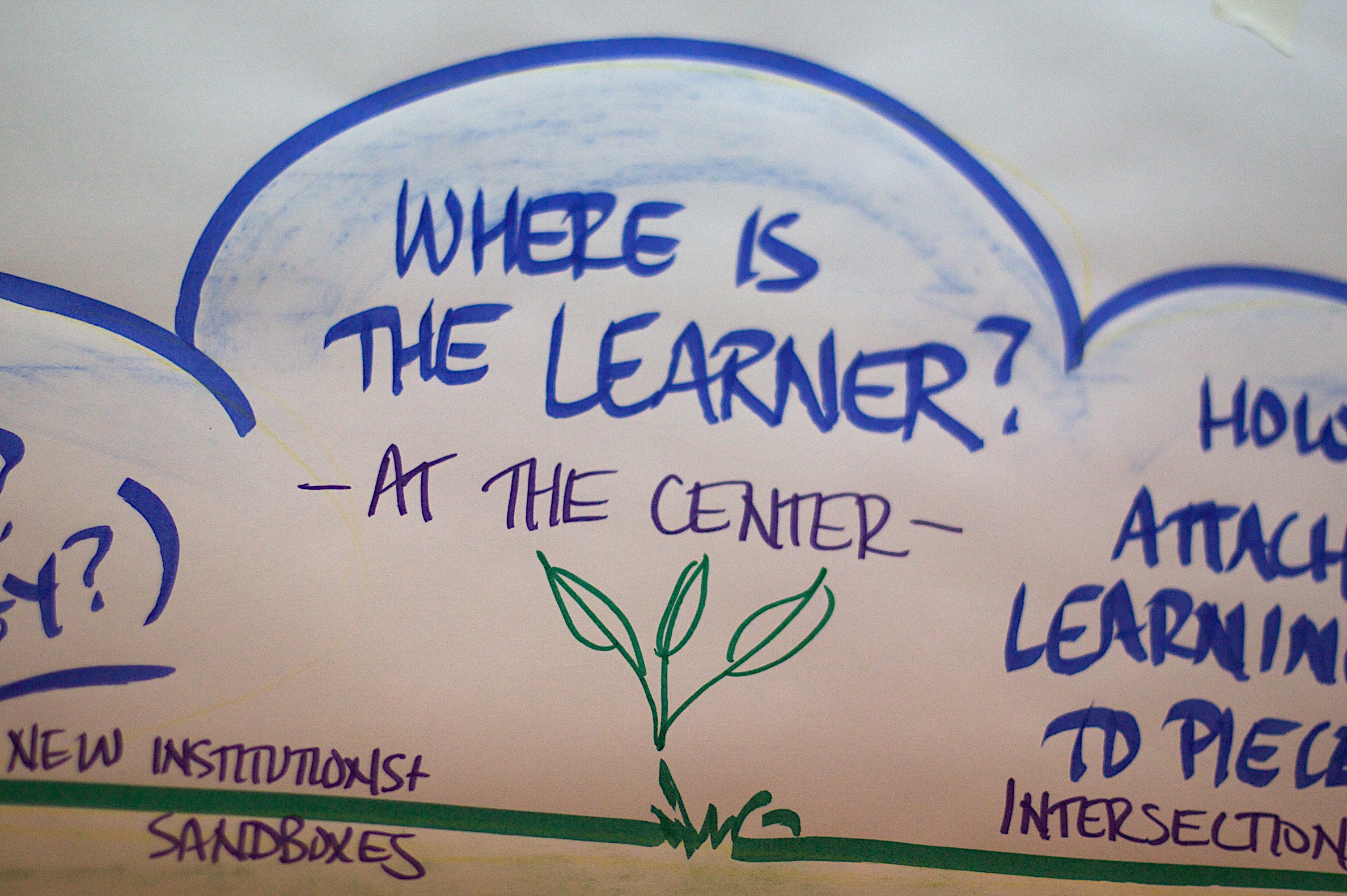
Social scientists are at the heart of the Research Capability Hub. Our courses and activities should therefore be designed to reflect a range and diversity of different social scientists and their needs.
The next few sections are focused on learning design and how to put the learner at the centre of your course. These sections are not intended to be exhaustive but should give you a solid foundation for developing a great course! We’ve also added some resources to the Further Reading section incase you want to explore and go deeper on different topics.
It's essential that your course for RCH is a structured, engaging experience that helps your learners to understand what they’re learning and retain it. To do this, you need to understand who your learners are and what motivates them. You should therefore be clear about your intended audience.
Activity 1: Reflecting on your learners.
Allow around 10 minutes for this activity.
Before reading further, take 10 minutes to consider the following questions:
- Who are your learners?
- What is their starting point? What are the enablers and barriers to learning?
- What outcomes do they need to achieve?
- What will they learn?
- How will you measure success?
Make a note of your responses.
To help you develop and deepen your answers to these questions and think about your intended audience(s) in more depth, you may want to develop several learning personas. Learning personas help you develop a deeper understanding of the type of learner you are writing for, through identifying what needs they might have and what they will find motivating and engaging. You may find this learner persona template useful.
Developing more than one persona is also important to ensure that you represent – and are considering – different types of learners when you are designing your course. You should:
- Use data and evidence to inform learning personas, including learners from underrepresented groups and early career researchers.
- Refer regularly to your learning personas throughout your design process to ensure that you cater to different needs wherever possible.
You may have already developed learning personas as preparation for your Flexible Fund application. If so, great! If not, don’t worry as there’s time to go deeper at this stage. You may also find this helps you refine your existing course ideas and plans.
Once you have developed a deeper understanding of your learner(s), you should build your course on the following principles:
- Learning outcomes: What your learners should be able to do by the end of your course.
- Ensure that you make learning outcomes SMART (Specific, Measurable, Achievable, Relevant and Time-bound). Find out more about SMART learning outcomes.
- Avoid verbs like understand, know, be familiar with or be aware of and use measurable verbs.
- Consider how course activities and quiz questions relate to your learning outcomes.
- As well as your overall course learning outcomes, you should also provide 2-3 learning outcomes per unit.
- On a practical note, please note that your course learning outcomes should be no more than 1000 characters total, including spaces, and in plain text, so they can display correctly.