Planning your development as a professional researcher
3. The Researcher Development Framework
The professional transferable skills defined by the Quality Assurance Agency (QAA) are addressed by the UK’s industry-standard professional development framework created by Vitae – the Researcher Development Framework (RDF). The framework is not just aimed at postgraduate researchers, but addresses researcher development across an entire career, from doctoral student to internationally-recognised research leader, providing a sector-wide shared vocabulary for talking about the key skills and characteristics of research professionals (Vitae, 2025).
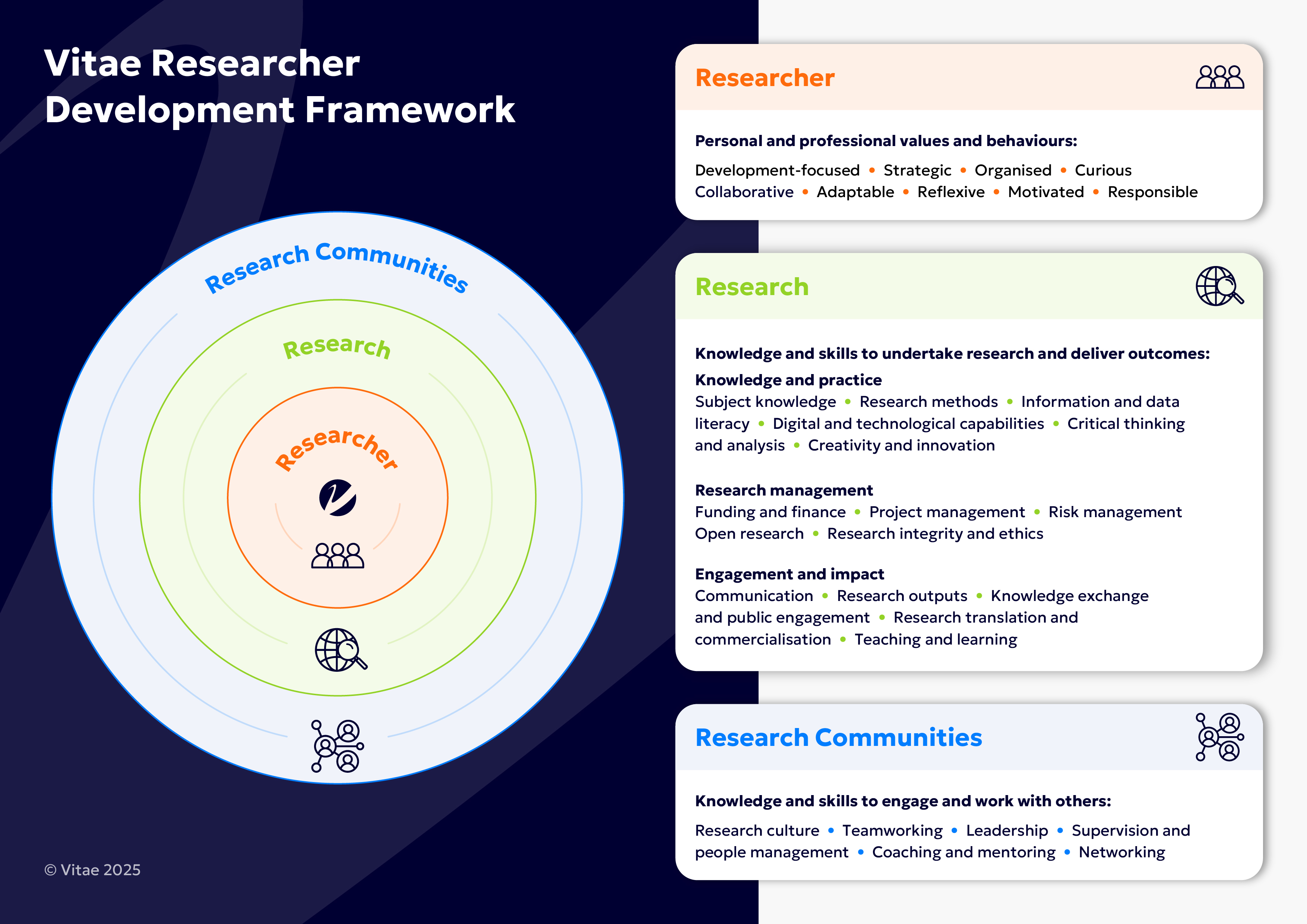
Figure 2: RDF 2025 infographic (Vitae, 2025)
As Figure 1 shows, the RDF consists of 31 skills descriptors arranged into three concentric domains. At the centre of the framework is the researcher. The skills in this domain describe the personal and professional values and behaviours that characterise effective researchers. The second domain addresses the knowledge and skills required to undertake research and deliver outcomes, and the third, outer domain is concerned with research communities- the knowledge and skills needed to engage and work with others.
The RDF can look daunting when you first begin to engage with it. Remember, you are not expected or required to show progress in all 31 skills during your doctorate, or later in your career. The RDF is a list of the characteristics of professional researchers as a group, no one individual is expected to develop all of these! The skills that you need to develop will depend not only on those you have already, but also on your goals and aspirations. For some people, learning a programming language might be essential – for others, it will be irrelevant. Some post-graduate researchers have several decades of experience of survey design, others are just starting out.
This unit will demonstrate how to use the RDF sub-domains and characteristics to audit your skills and make a training plan. You and your supervisors will then be able to track your progress towards your development goals month-by-month, as you book and attend training sessions or complete and record agreed tasks.
Activity 1 will help you familiarise yourself with the RDF and start thinking about areas for development. In the next section, you will begin the process of auditing your existing skills.
Activity 1: Familiarising yourself with the RDF
Allow approximately 15 minutes for this activity
For this activity you will need to refer to the Researcher Development Framework (RDF).
Look through the 31 characteristics of successful researchers (pp. 5-7 of the PDF) and select three skills that you already have, and three that you think you will need to work on between now and your upgrade assessment.
Make a separate note of your responses. Once you have answered the questions, select 'View Comment.'
View Comment
Hopefully, this Activity will have helped you to recognise that you already have many of the skills and characteristics of a professional researcher. It will also have helped you to identify areas for development during the first stage of your research degree.
For many early-stage post-graduate researchers the main priorities for pre-upgrade development are around:
- information and data literacy (2.3)
- literature reviewing (2.3)
- research design (2.2)
- research integrity and ethics (3.5)
- project management (3.2)
However, the skills you have identified will depend very much on your existing expertise and your particular project. You will reflect on your answers to this activity in more depth later in the unit.