Module 8
PMO Maturity Model
In this module you will use the PMO maturity model to map a path from reactive to enterprise.
Estimated study time: about 50 minutes. Suggested week: 8.
Figure 4 shows the maturity model again for reference.
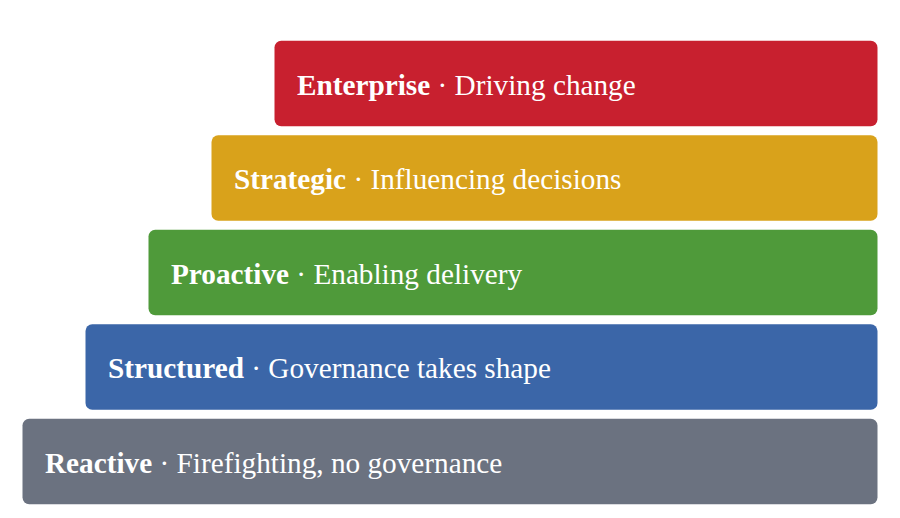
Figure 4: The PMO maturity model (repeated from Figure 1 for reference)
8.1 Reactive
A PMO that reacts, not leads. Signs include chasing reports by hand, no common standards and frequent surprises. A first step is to agree basic standards and a regular reporting rhythm.
8.2 Structured
Governance begins to take shape. Signs include common templates, defined stage gates and regular boards. The risk is following process for its own sake. A next step is to move from checking to helping.
8.3 Proactive
The PMO enables delivery, not just observes it. Signs include forecasting, early risk warnings and coaching for teams. A next step is to connect the PMO's work firmly to strategy.
8.4 Strategic
The PMO becomes a strategic partner and influences decisions. Signs include advising on priorities, tracking benefits and being trusted by senior leaders. A next step is to extend its reach across the whole organisation.
8.5 Enterprise
The PMO drives organisational change. Signs include shaping enterprise-wide change and capability, and continuous improvement being routine across the organisation.
Key points
- Each level has recognisable signs and a clear next step.
- Rate each domain separately, because a PMO can be at different levels in different domains.
- Choose the next level, not the top level.