Digital services in the NHS
| Site: | OpenLearn Create |
| Course: | Discover Digital Guide: your health and wellbeing |
| Book: | Digital services in the NHS |
| Printed by: | Guest user |
| Date: | Tuesday, 25 August 2026, 7:46 AM |
Description
Find out more about some of the digital services available in the NHS and how to access them.
How are digital services different to face-to-face services?
Can digital services make some processes and interactions easier?
The aim of digital NHS services is to make some processes and interactions easier, or to use information better. This is to ensure that your care is the best you can receive.
For example:
- you might be able to book an appointment online instead of having to call or visit your GP practice
- you might also be able to order a repeat prescription through the web
- you might even be able to have a video consultation from the comfort of your home.
The examples above are new ways of doing routine tasks, using the internet and digital technology.
Can digital services enable you to do things which would not be possible otherwise?
There are also new technologies which can enable you to do things which would not be possible otherwise.
For example:
- you might be able to track certain aspects of your health or symptoms
- you can then automatically share this data with health professionals
- you might also be able to access certain services which are online only.
In summary, digital technology can allow you to do the things you’re used to, in a better way. But it can also help you do new things, which weren’t possible before.
Can digital services replace face-to-face services?
Digital technology does not mean to replace any face-to-face services completely.
We often hear that digital services work best alongside face-to-face services. But digital technology can do some of the hard work, so you can focus on what matters to you.
What digital NHS tools and services are available?
There are a lot of online tools available in the NHS today. 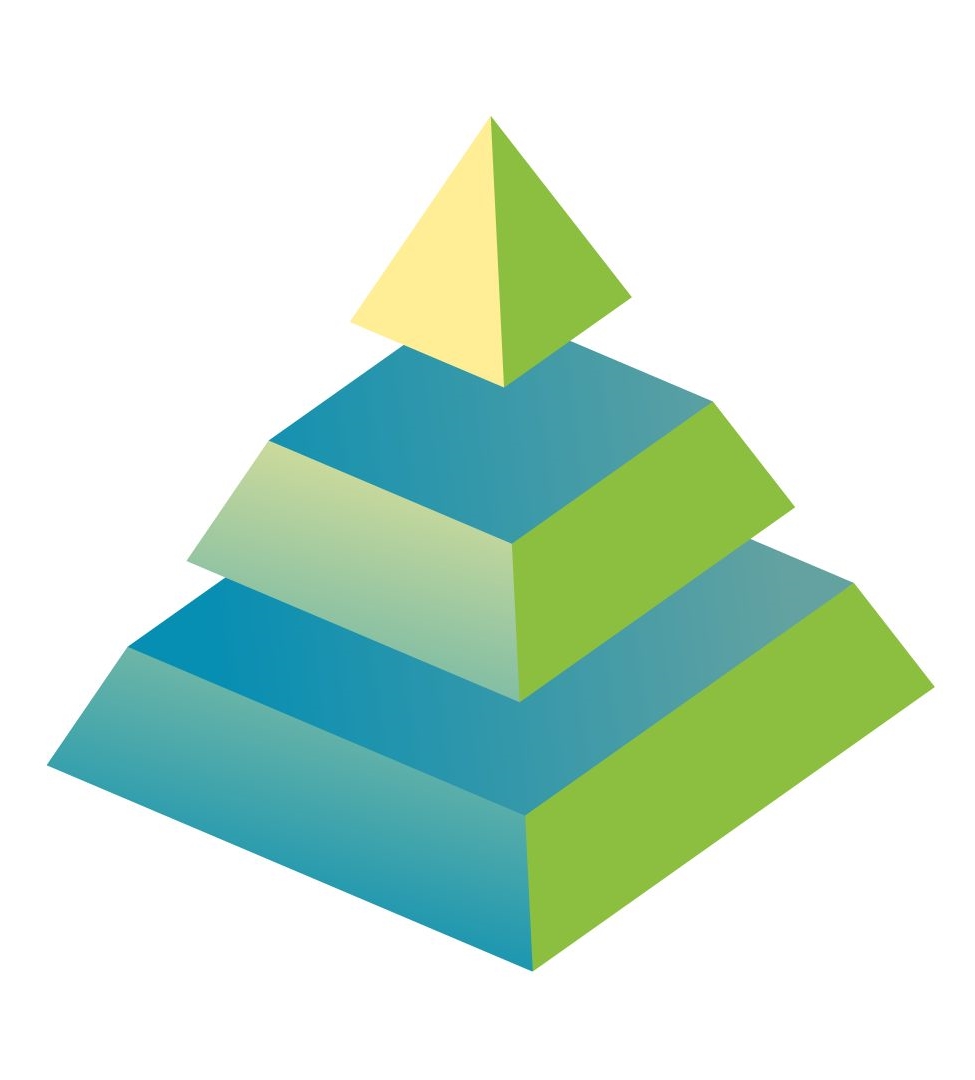
- Primary care tools: you would use these in your interactions with your GP. They can include appointment booking, repeat prescriptions and other tools they might refer you onto. Some you might use as a one-off, others you might use on a continuous basis.
- Secondary care tools: you would use these if advised to by a consultant for a specific condition. They might be more advanced and your use of them might also be one-off, rather than continuous.
- Self management tools: intended for you to use as part of your self care. They might have some level of interaction between you and your GP or a specialist. However, it is up to you how much and how often you use the tool.
What services are available in primary care?

- GP practice website
Your GP practice may have a website where you can find specific information related to your practice. You can find this by searching the internet with a web browser and typing in the name of your practice. This website might detail opening hours, location and contact details. It may also detail services and clinics available or practice news.
- Repeat prescription ordering (only available in some practices / for some types of medication)
There are now ways to order your repeat prescriptions online. You can have your prescription sent electronically to a pharmacy or dispenser of your choice. This means you no longer need to collect a paper prescription from your GP surgery. You can then collect your medicines from a pharmacy or have them delivered to your home (where available).
- Online appointment booking
Your GP practice may allow you to book, check or cancel an upcoming routine appointment online. This could be for an appointment with a GP, nurse, or other healthcare professional. You will have to ask your GP practice whether they offer the service. You would then register for it by completing a form and the practice would give you further instructions.
- Video consultations
Near Me is a video consulting service. It enables people to have health and social care appointments from home or wherever is convenient. All you need is a device for making video calls like a smartphone and an internet connection. Near Me is a secure form of video consulting approved for use by the Scottish Government and NHS Scotland. You do not need to download an App or create an account.
Watch: How to use Near Me (3min 36seconds). This video will give you an overview of how Near Me works.
- Remote monitoring
Connect Me is the national remote monitoring system used by several NHS services. It enables information about your health and wellbeing to be shared with the healthcare professionals looking after you. This may be to share measurements such as blood pressure, weight or pulse. Answers to questions about how you are feeling or symptoms you have. It may be a questionnaire to find out more about you when you are referred to a clinic before your appointment.
It can also send you reminders or advice to help you take care of yourself.
You may be able to use Connect Me via the following options. Internet or app, SMS text messages or an automated telephone call using the key pad on your phone or mobile.
More information on Connect Me here.
- Online mental health support
The computerised Cognitive Behavioural Therapy (cCBT) service is a highly effective intervention now available throughout Scotland. Speak to your GP to find out what is available in your area.
For example, you can access Silvercloud for free. This is a platform which offers structed programmes for your wellbeing. Including mental health, resilience, stress and sleep. Go to Silvercloud where you will be able to access some of the programmes. If you are referred by your GP, you will be able to access more of the Silvercloud programmes.
The NHS also provides a service called Breathing Space. This is a free, confidential, phone and webchat service for anyone in Scotland over the age of 16 experiencing low mood, depression or anxiety. Call 0800 83 85 87 or visit Breathing Space here.
- Online triage / GP access
Some GP practices in Scotland use various online triage services, such as eConsult or AskMyGP. These services give you the option to fill in an online consultation form with details of your symptoms or requests. Some will also allow you to give this information by phone. You then send this form to your GP for their review. In return, you will instantly get NHS self-help information or signposting to services. You will also get bespoke advice from your GP once they have reviewed your submission.
- Test results over the phone
For some test results, you don’t need to wait for a letter to come by post. You also don’t need to call the GP practice, within working hours, to get your results. Instead, a service called ‘Netcall’ enables you to ring a number to find out the results of any recent medical tests. This is available at any time and can be accessed from any phone. The service is fully confidential. It helps nurses to have more time to call those whose test results raise concerns or who might need additional support.
- MyCare.scot
MyCare.scot is Scotland’s new health and social care platform. It aims to bring together health and social care information and services in one secure place.
Currently, people aged 18 can use MyCare.scot to view:
• their Community Health Index (CHI) number,
• some of the personal details held by NHS Scotland,
• medication and allergy information,
• covid and flu vaccination history since 2021 and,
• health and care services locally.
MyCare.scot will continue to develop, using people’s feedback, to offer more services and information to people in Scotland. Go to MyCare.scot. If you require support accessing MyCare.scot, you can contact the National Contact Centre on 0800 030 8014. You can also access how-to-guides and videos on NHS Inform here.
What services are available in secondary care?
- Video camera (capsule) endoscopy

A Pillcam is a small video capsule the size of a large vitamin pill. It is used to provide endoscopies. This is an operation for people with gastrointestinal bleeding and unexplained abdominal pain. It can also be used for conditions such as Crohn's disease. After you swallow the video capsule, it will be transported naturally through the stomach and intestine. It captures pictures of the lining of the large intestine.
- Video diaries
Some hospitals use a service called ‘vCreate’ which provides secure video messaging. This service lets hospital staff record and send video updates to parents when they’re unable to be with their children. There is no cost to parents or the unit.
- Booking sexual health services
NaSH’ is an online appointment booking system for sexual health services. It provides an easy way for you to find and book an appointment at sexual health clinics across Scotland. It will help you to book an appointment that is most convenient for you. It allows you to search for an appointment based on gender, age, type of appointment or service you require and location.
Scottish Women-Held Maternity Record (SWHMR) allows women access to their maternity records. You can access it over the internet through a PC, tablet device, or mobile phone. The information comes from your hospital based its maternity system. It is made up of details entered by your midwife or other health professionals involved in your care.
- Near me
Near Me can also be used for secondary care appointments. It works exactly the same as it would for a consultation with your GP.
- MyCare.scot
MyCare.scot is Scotland’s new health and social care platform, (see more information in the primary care section). It will develop in the future to include services in secondary care. Go to MyCare.scot.
What services are available for my self management?

The following digital self management tools have been developed, or are supported, by NHS Scotland:
For anyone based in Scotland, NHS inform is the best source of health information. You can find information about illnesses and conditions, symptoms and self-help. You can also find information on tests and treatments, advice on healthy living and even information on care, support and your rights. There is also seasonal and topical information that is refreshed frequently.
If you are having mental wellbeing challenges, NHS Inform hosts a website called “Mind to Mind”. Mind to Mind offers advice and support on topics such as handling stress, dealing with anxiety and managing sleep.
Through this, you can find thousands of health and wellbeing services in Scotland. It gives you the names, addresses, opening times and service details. You choose the type of service you are looking for and then search using your postcode.
The NHS 24 Online app enables you to find your nearest services. You can also access the NHS 24’s virtual assistant, where you can chat about your symptoms. The assistant will let you know what you should do next.
My Diabetes My Way is an online self management platform for people with diabetes. It has been running in NHS Scotland since 2008. You can access information about diabetes through leaflets, videos, education tools and games. Individuals can also use the website to view up-to-date diabetes clinic results. They can even share stories with other people with diabetes and develop a social support network.
Scotland offers access to digital therapeutics for insomnia and anxiety free of charge. Check out the Sleepio app. Check out the Daylight app.
How can I find out what services are available to me?
- NHS Digital services vary by health board and GP practice.
- Not all services described here are available throughout Scotland. Some might also have additional eligibility criteria.
- It is best to speak to a healthcare professional if you are unsure of what support you might be able to access.

Giving feedback on NHS services
 Care Opinion allows you to share a specific experience of health care or social care. You can say what happened, what was good, and what could have been better. The story is then published (if possible) and shared with staff in the services who need to see it. Often, staff will reply and you will be emailed their response.
So you can use Care Opinion to pass praise on a service you experienced. You can also suggest changes or even just to review other people’s experiences. This can allow you to make an informed choice on the service you decide to visit.
How is the NHS using my data collected through these tools and services?
 In the UK there are laws that protects personal data.
Organisations must store confidential information securely.
- A health professional, such as a GP or a consultant, can only access limited information on a patient. They must be involved in the care of that patient to access this data. They don't necessarily have access to the full health record. Records are not always shared between primary care, secondary care and speciality clinics.
- There are laws that protect the confidentiality of personal information. For example, the GDPR, the Data Protection Act 2018 and Freedom of Information Act 2000.
- NHS organisations and local councils must keep people’s health and care information safe. If they provide social services, they must have a Caldicott Guardian. This is a senior person who ensures the information is used properly.
NHS data can be shared for research purposes, but the following rules apply:
- Patients must consent to their data used in this way. This consent must be given when the data is first collected. This consent must also be explicit.
- Where data is shared with a third party, legal contracts are required. These contracts set out strict rules about what the organisation can or cannot do with data.
- Public health services, charities, academics and private companies may also have access to NHS data. This data may have details removed to protect the identity of those it relates to.
Example of how data is used in the NHS in Scotland
- SHARE
SHARE is a Scottish initiative. It was created to establish a register of people willing to take part in medical research projects. Over 275,000 people have signed up so far. Register for SHARE.
Data Strategy for Health and Social Care
In February 2023, the Scottish Government launched the first-ever Data Strategy for Health and Social Care. It aims to “improve the care and wellbeing of people in Scotland by making best use of data in the design and delivery of services.”
Read the full
Strategy here.