Part 1: Classification and naming of plants
| Site: | OpenLearn Create |
| Course: | Plant biology |
| Book: | Part 1: Classification and naming of plants |
| Printed by: | Guest user |
| Date: | Friday, 9 October 2026, 4:22 PM |
1. Introduction
Plant classification = arrangement of plants into groups
Plant taxonomy = the science of arranging plants into groups in a hierarchy
Taxonomically plants are arranged like this:

Here is an example of a classification for a type of coneflower called Rudbeckia hirta var. floridana:
| Domain | Eukarya |
| Kingdom | Plantae |
| Division (phylum) | Magnoliophyta (Flowering plants) |
| Class | Magnoliopsida (Dicotyledons) |
| Sub-class | Asteridae |
| Order | Asterales |
| Family | Asteraceae (Aster family) |
| Genus | Rudbeckia |
| Species | Rudbeckia hirta |
| Variety | Rudbeckia hirta var. floridana |
The groups are very large to start with, the domain of Eukarya for example includes all organisms which have the nucleus in their cells enclosed in a nuclear envelope. This includes all plants, animals, protozoa, chromista and fungi. But when you get down to the classification of genus, there are only around 25 types (species) of plant in this group. By the time you get to ‘variety’ there is only one plant in the group!
Have a go at classifying a few plants of your choice. Use the internet to help you.
Ideas:
- You could have a go at classifying a flowering plant, for example a favourite rose or lily.
- You could try a conifer, for example a pine.
- You could try a bulbous plant, for example a tulip.
Plants can also be classified into groups based on other characteristics:
| Classification | Examples |
|---|---|
| Habitat | Bog plants, drought tolerant plants and alpine plants |
| Soil type | Ericaceous (acid loving) plants and calcicoles (alkali loving) plants |
| Physical characteristics | Grasses and bamboos, trees, shrubs and bulbs |
| Plant use | Medicinal plants, herbs, vegetables and fruit plants |
| Desirable attributes | Plants which are resistant to deer or rabbits, scented flowers, plants with flowers which are good for cutting and bird or bee friendly plants |
| Aspect | Shade, plants for semi-shade and plants for full sun |
2. Common names and botanical names
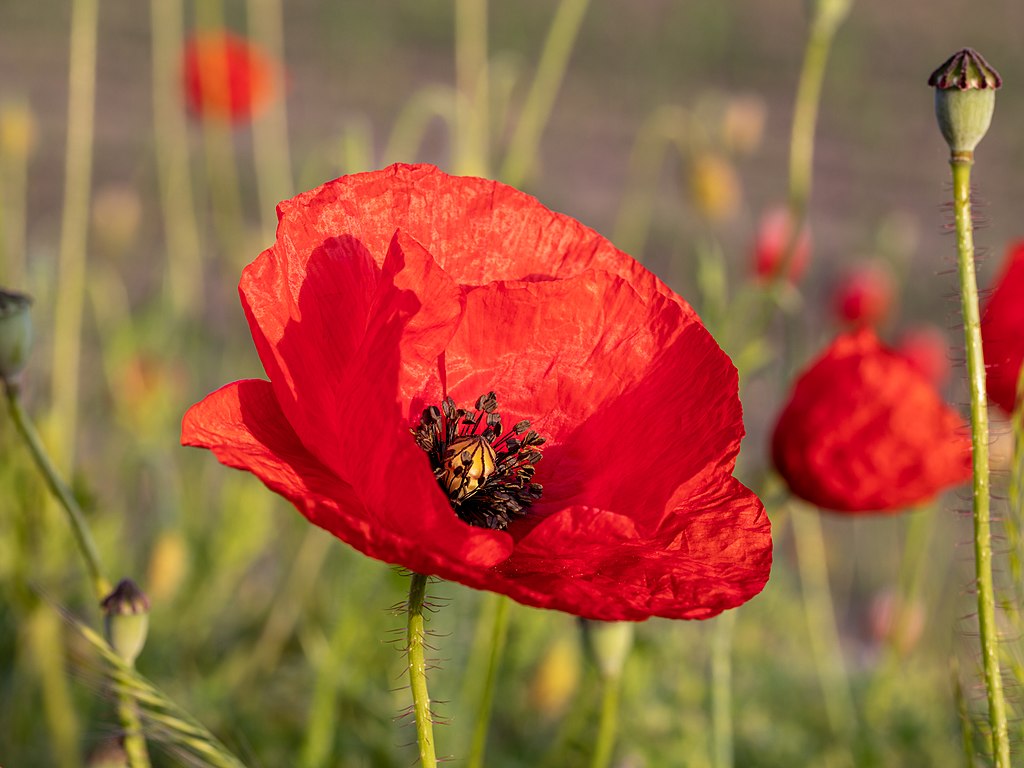
This is the problem of using what are known as ‘common names’ for plants. There can be many names for the same plant and if you are talking to someone in another country about a ‘corn poppy’, they won’t know what you mean.
Have a look at some plant names in books or plant lists on the internet, such as garden centre or plant nursery websites, and see if you can tell the difference between common names and botanical names.
For example:
- Common name: Hazel tree
- Botanical name: Corylus avellana
3. Binomial system
Bi = 2
Nomial = name
The first name given is always the genus. The genus is the type of plant it is, for example Rosa for rose, Papaver for poppies, Galanthus for snowdrops. But then there are lots of different species, or types, of rose, poppy, or snowdrop, and so a second name is given which identifies this type.
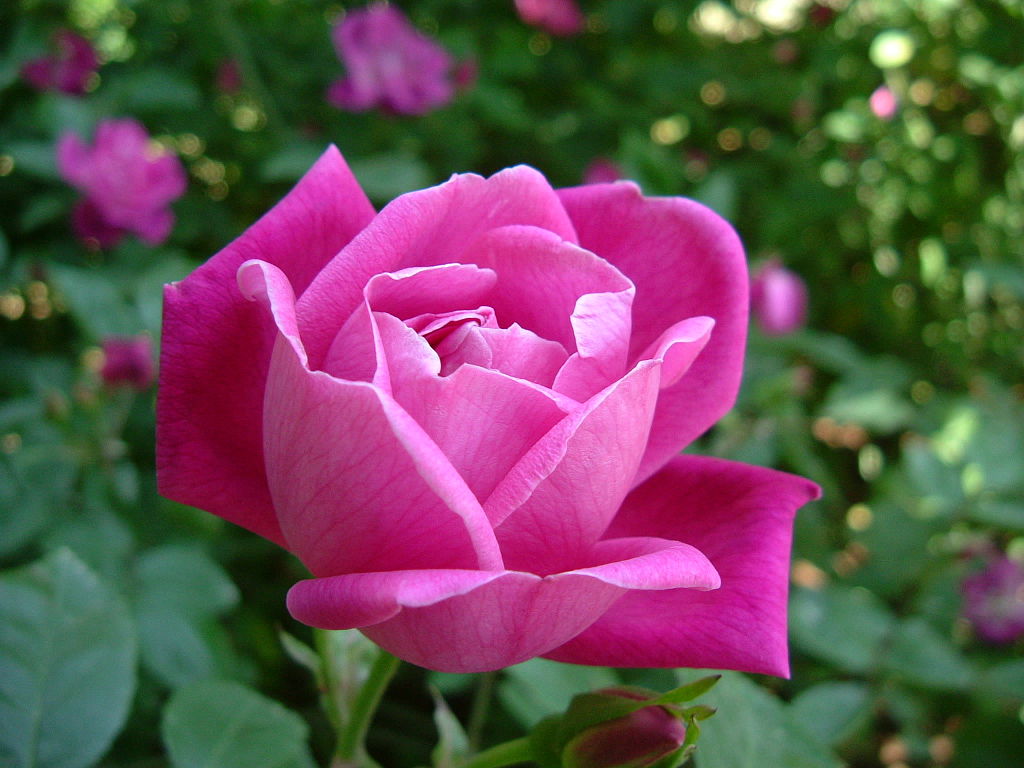
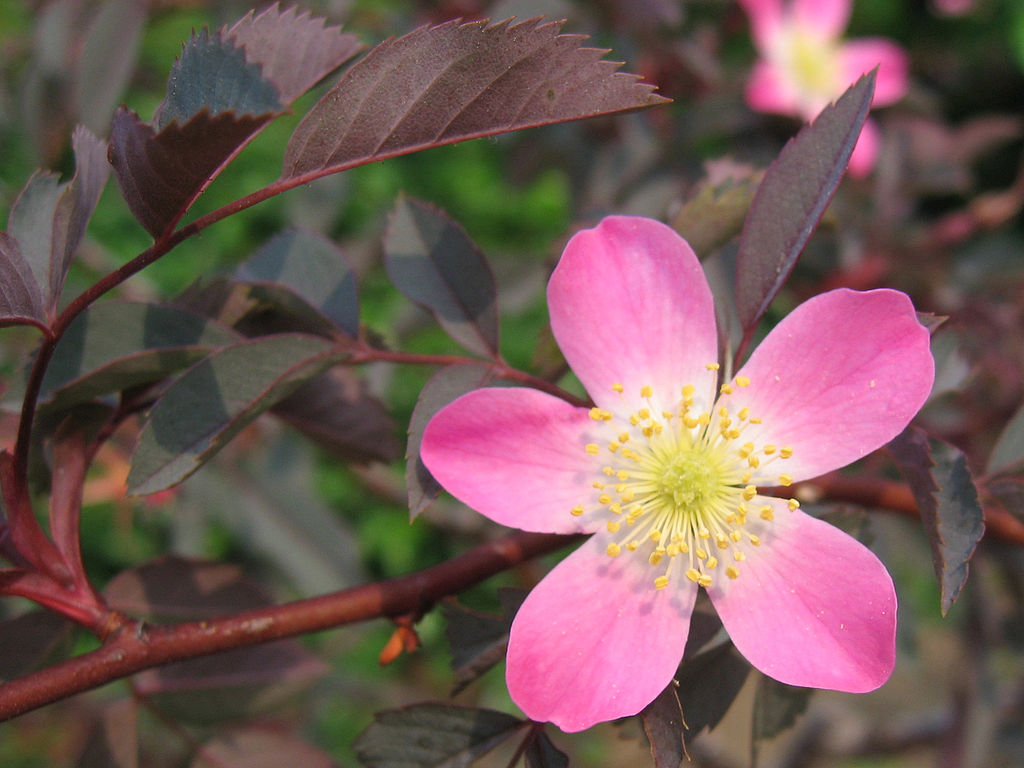
Midori /
4. Plant names in detail
Sometimes a plant has more than two names, but there is a basic set of rules that apply to the naming of plants, and once you understand these rules you will be able to understand any plant name.
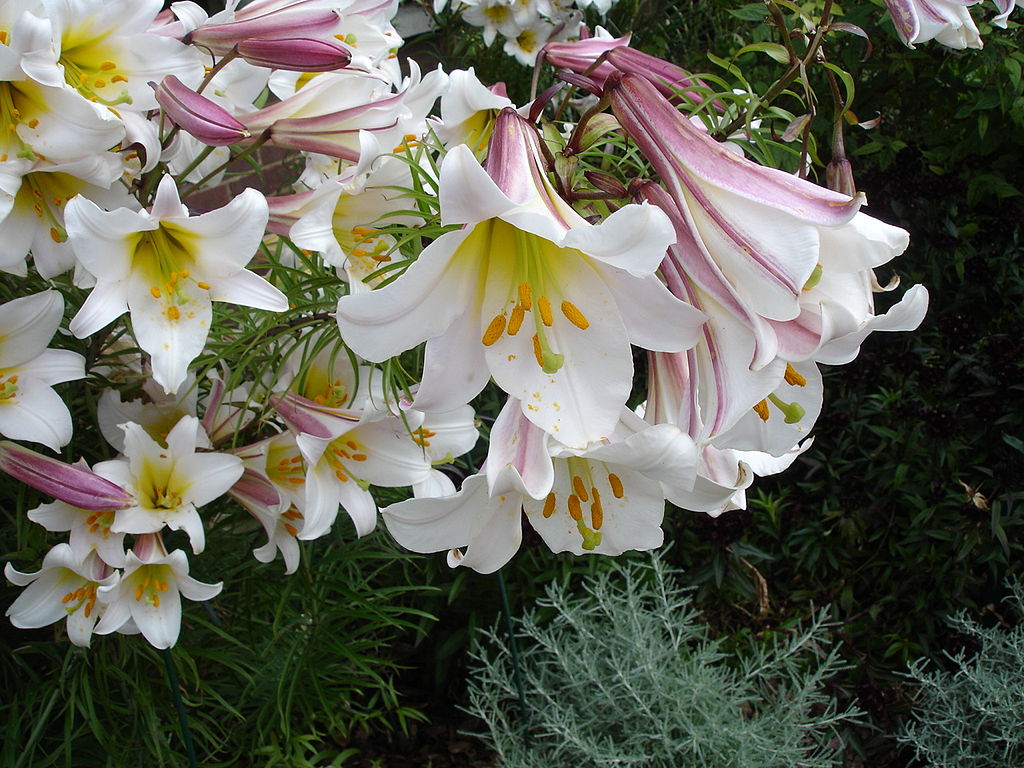
Lilium regale
Epibase / CC BY-SA 3.0
The first name is the genus. The genus should be in italics and the first letter should be a capital.
The genus (plural = genera) is the group of plants that the plant shares genetics with, a genus could be ‘Rosa’ for rose, ‘Papaver’ for poppy, or ‘Geranium’ for Geranium (sometimes the common name is the same as the botanical name).
Above is Lilium regale - 'Lilium' is the genus.
Armeria maritima
Randi Hausken / CC BY-SA 2.0
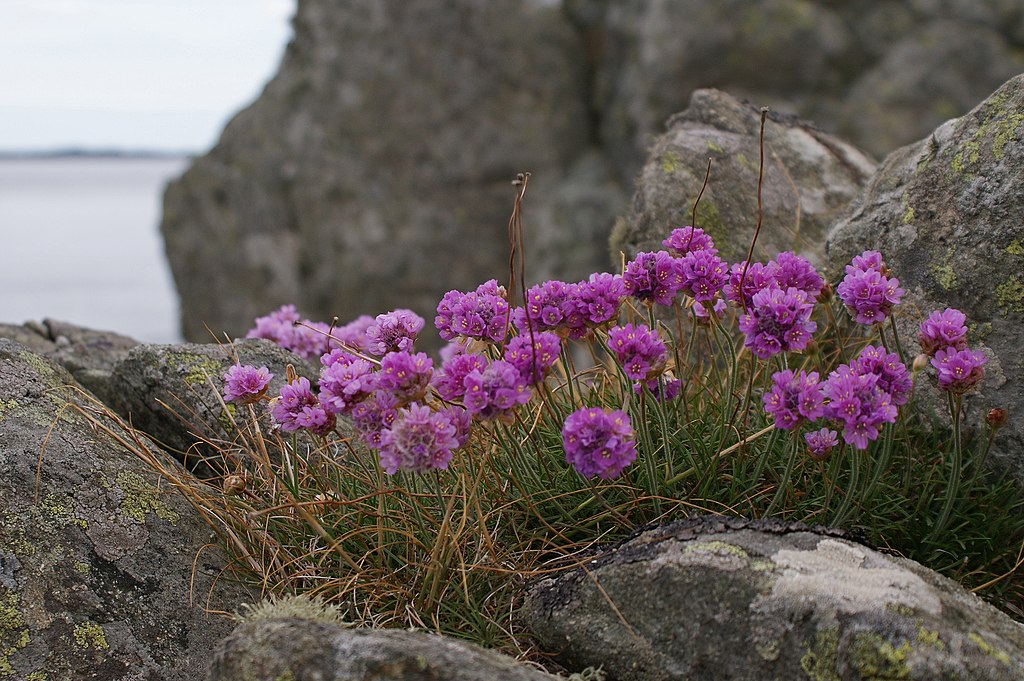
The second name is the species. The species name should be in italics and all letters should be lowercase.
The species distinguishes that plant from the other plants in that genus, so it gives a name for the type of rose, or the type of sunflower.
Above is Armeria maritima - 'maritima' is the species.
Papaver orientale ‘Patty’s Plum’
Steve Law / CC BY-SA 2.0
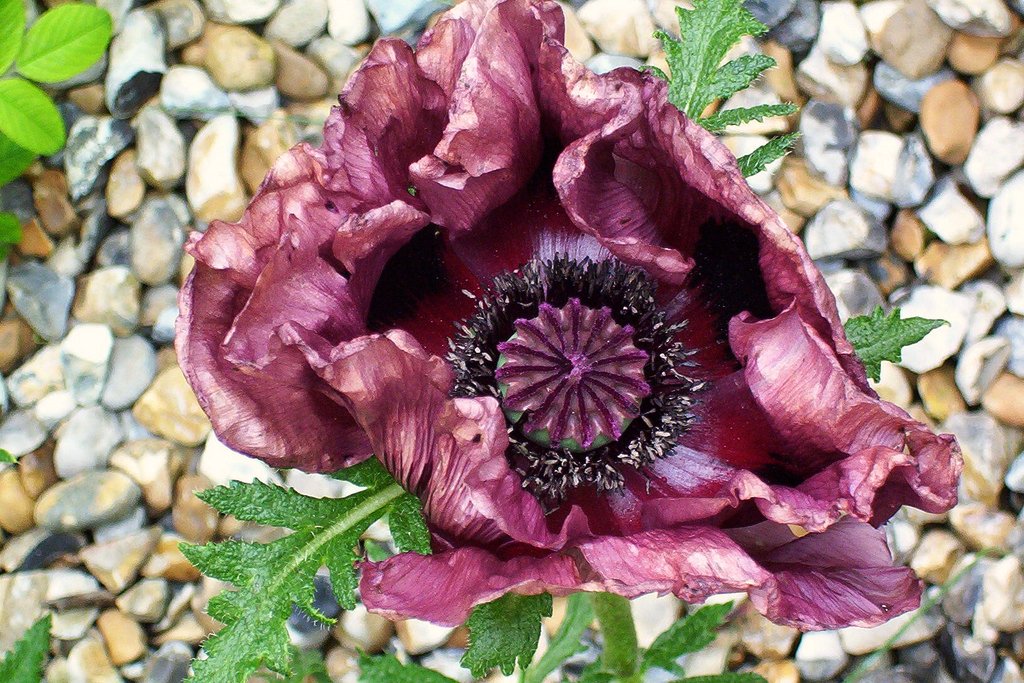
If there is another name after the species name which is in inverted commas, then this is the cultivar.
The cultivar should not be in italics, but should be in inverted commas and should have a capital letter at the start of each word.
The cultivar is an extra name given to a plant if it has been bred artificially, rather than it occurring in that form in the wild.
The example above is Papaver orientale ‘Patty’s Plum’ - ‘Patty’s Plum’ is the cultivar.
Tilia x europaea
Daderot / CC0
x Heucherella tiarelloides ‘Stoplight’
Jamai / CC BY-SA 3.0
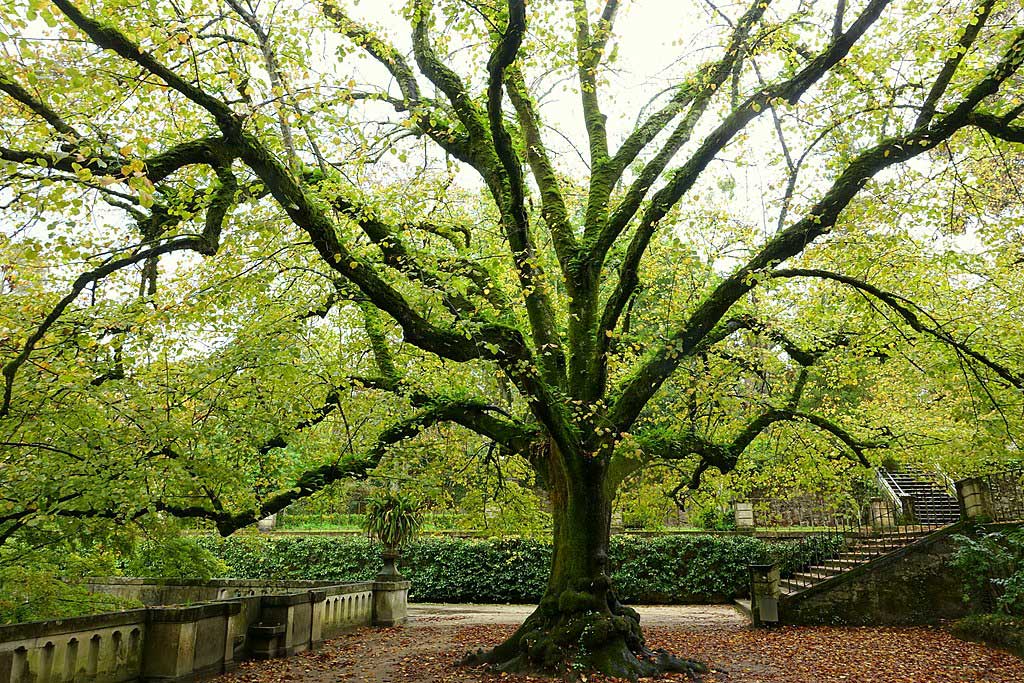
If a plant is a hybrid (cross-breed) between two species, then an ‘x’ is put in front of the species name.
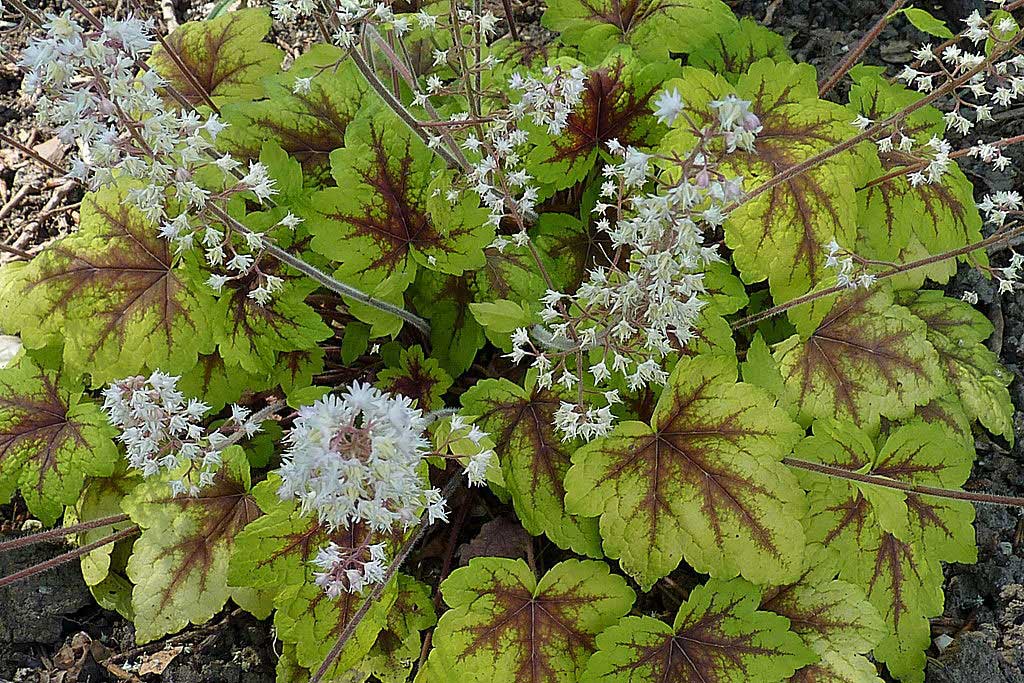
In rare circumstances a plant can be a hybrid between two genera, in which case a ‘x’ is put in front of the genus name.
Shown above are two examples:
Tilia x europaea - The ‘x’ shows that this is a hybrid species. It is a hybrid between Tilia cordata and Tilia platyphyllos.
x Heucherella tiarelloides ‘Stoplight’ - The ‘x’ shows that this is a hybrid between genera. It is a hybrid between Heuchera and Tiarella.
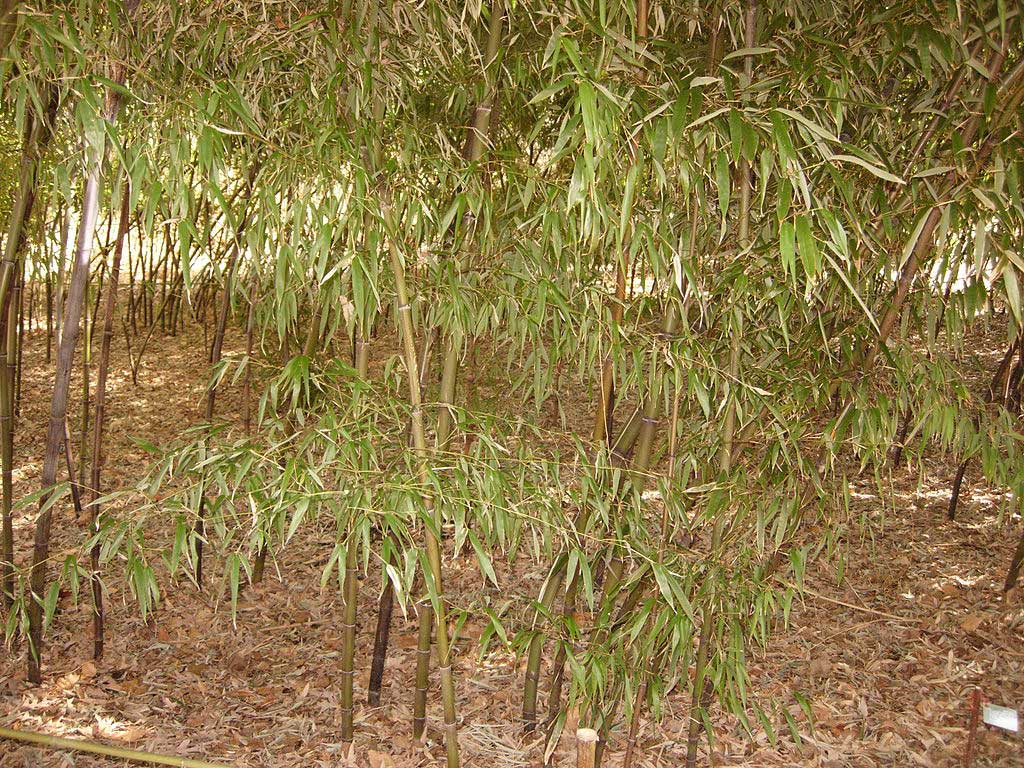
Phyllostachys nigra var. punctacta
Malcolm Gin / CC BY-SA 3.0
If a plant is slightly different from the original, but not so different that it warrants its own species, then it can be given a variety name instead.
This is represented by the letters var. before the variety name.
Above is Phyllostachys nigra var. punctacta - ‘punctacta’ is the variety name.
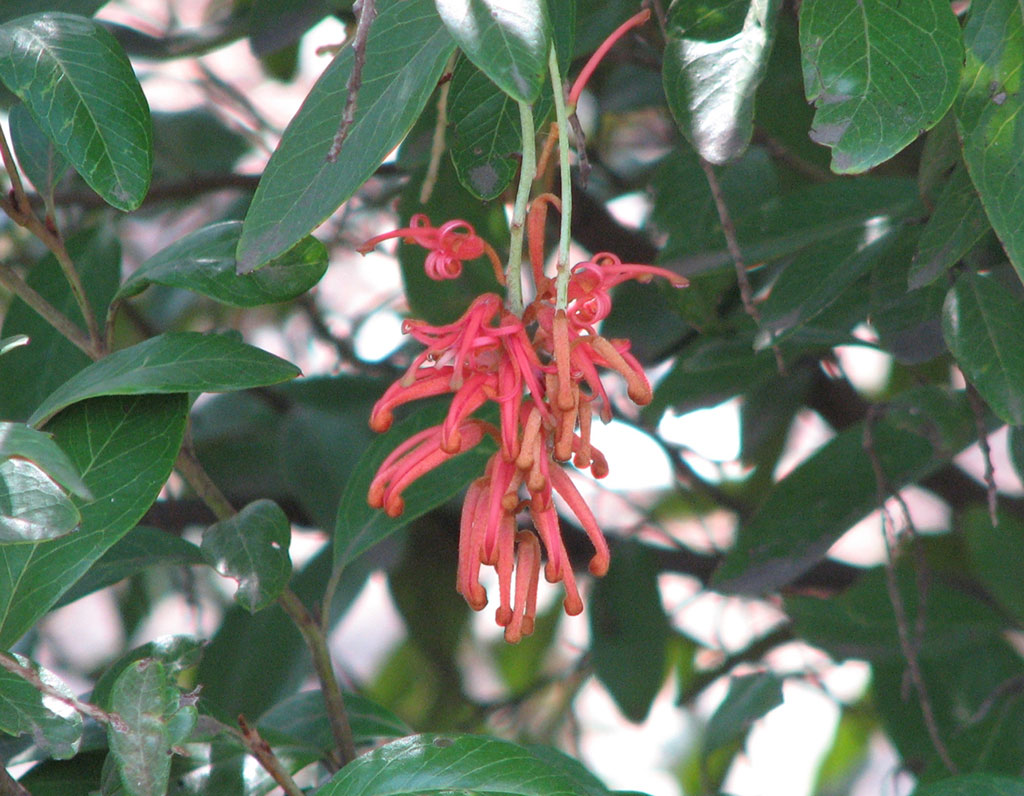
Grevillea victoriae subsp. nivalis
Melburnian / CC BY 3.0
If a plant is slightly different from the original plant because of an adaptation to its location, then it is known as a subspecies.
This is represented by the letters subsp. before the subspecies name.
Above is Grevillea victoriae subsp. nivalis - ‘nivalis’ is the subspecies name.
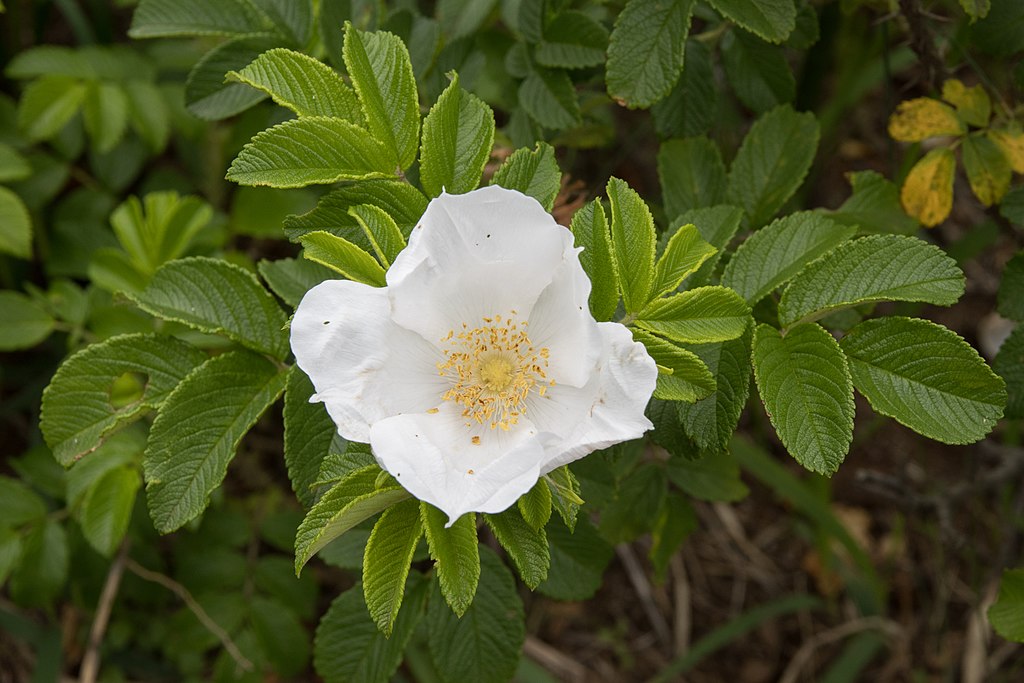
Rosa rugosa f. alba
Σ64 / CC BY 3.0
If a plant is identical to the original but differs in just one way such as leaf colour or flower colour, then it is known as a form.
This is represented by the letter f. before the form name.
The plant above is Rosa rugosa f. alba - ‘alba’ is the form name. It is called ‘alba’ because the flowers of this normally dark pink rose are white in this form of the plant.
Have another look at some plant names in books or on the internet and see if you can identify which parts of the names are the genus and species, and if they have them cultivar, variety, subspecies or form.
Example website: Plant list ordered by botanical name with pictures from Victoria Garden, Redding [A-B] (kapsenbergdesign.com)
5. Letters and symbols
Sometimes you will see series of letters, or symbols after a plant name, and they can stand for various things:
PBR = Plant Breeders’ Rights
This is similar to when music or books are sold, and the musician or author is given royalties when their work is used. When a horticulturist breeds a new variety of plant, they can apply to have it licensed. If they are granted a licence, then that plant is given the letters PBR after its name and whenever one of the plants is sold, a few pennies of the sale money is given to the breeder. It is illegal to propagate and sell a PBR plant without paying some of the sale money to the breeder.
Search for the Plant Breeders Rights legislation and rules for propagating these plants in your country.
AGM = Award of Garden Merit
The Royal Horticultural Society trial plants for their ease of growing, disease resistance, abundance of flowering, hardiness and many other traits. For the plants that prove to be the very best in the trials, they give the Award of Garden Merit. Sometimes a symbol of a trophy is used after the name instead of the letters AGM.
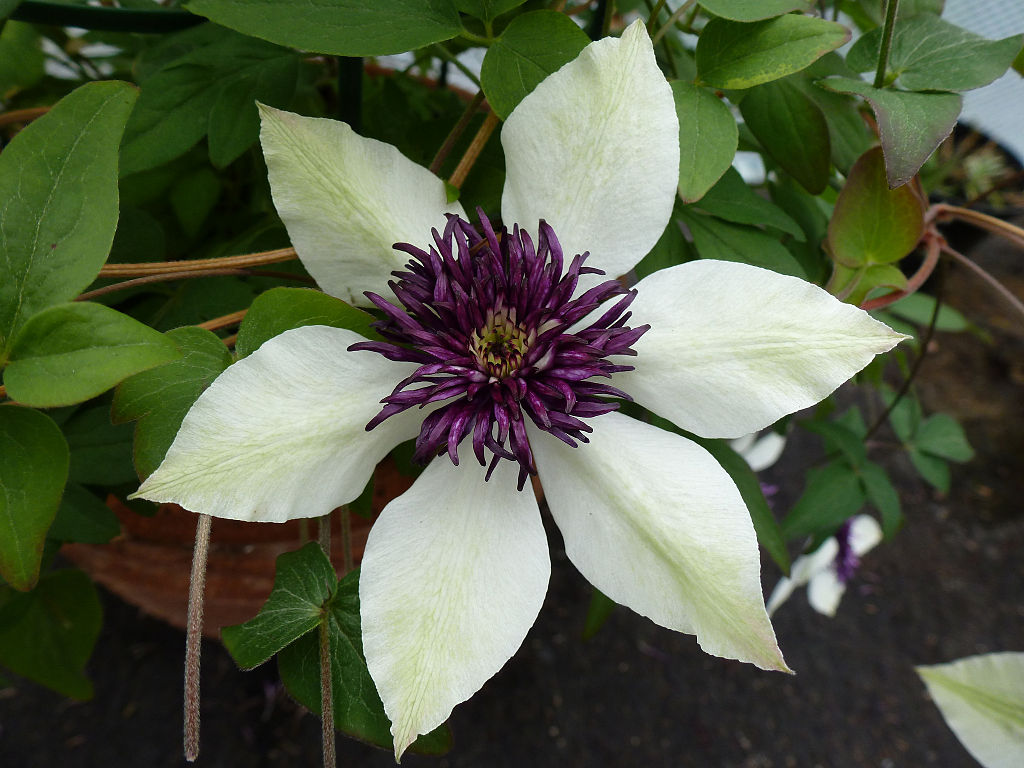
Clematis
florida var. florida sieboldiana AGM
Stephen Hopkins63 / CC BY-SA 2.0
6. Meanings of common names in plants
As the names are based on Latin or Greek, they often have a meaning. Click on the titles below to view some common names used in plants and what they mean:
| alba | white |
|---|---|
| alpina | from the alps |
| america | from America |
| arctica | from the arctic |
| aurea | golden, yellow |
| australis | from the south (not necessarily Australia) |
| autumnalis | of autumn |
| borealis | from the north |
| caerulea | blue |
| canadensis | from Canada |
| chinensis | from China |
| compacta | compact |
| -flora | -flowered (e.g. viridiflora = green-flowered) |
| -folia | -leaved (e.g. tenuifolia = narrow-leaved) |
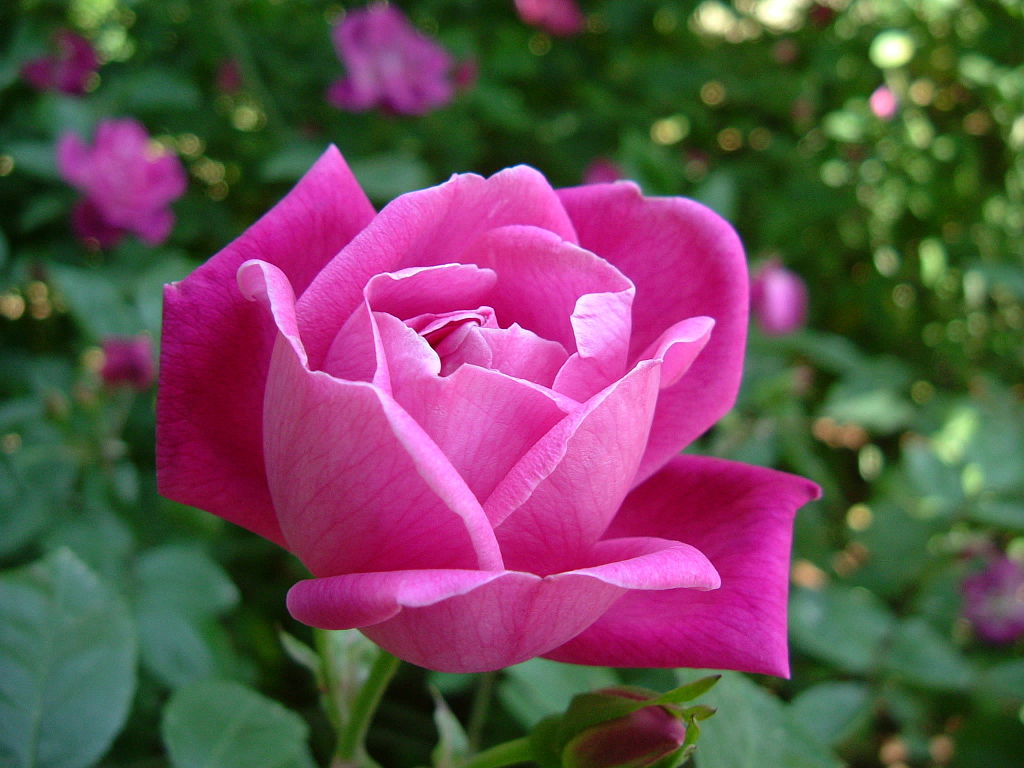
Rosa chinensis
Sakurai Midori / CC BY-SA 2.1 JP
| gigantea | giant |
|---|---|
| grandis | big |
| japonica | from Japan |
| longiflora | with long flowers |
| longifolia | with long leaves |
| macro- | large- |
| maritima | maritime, near the sea |
| minima | small |
| montana | from mountains |
| multiflora | many flowered |
| pendula | hanging |
| -phylla | -leaved |
| rivalis or rivularis | from near rivers |
|---|---|
| rosea | rose pink |
| rotundifolia | round-leaved |
| rubra | red |
| sanguinea | blood-red |
| sibirica | from Siberia |
| sinense | from China |
| spinosa | spiny |
| stellata | starry |
| violacea | violet |
| viridis | green |
| vulgaris | common |
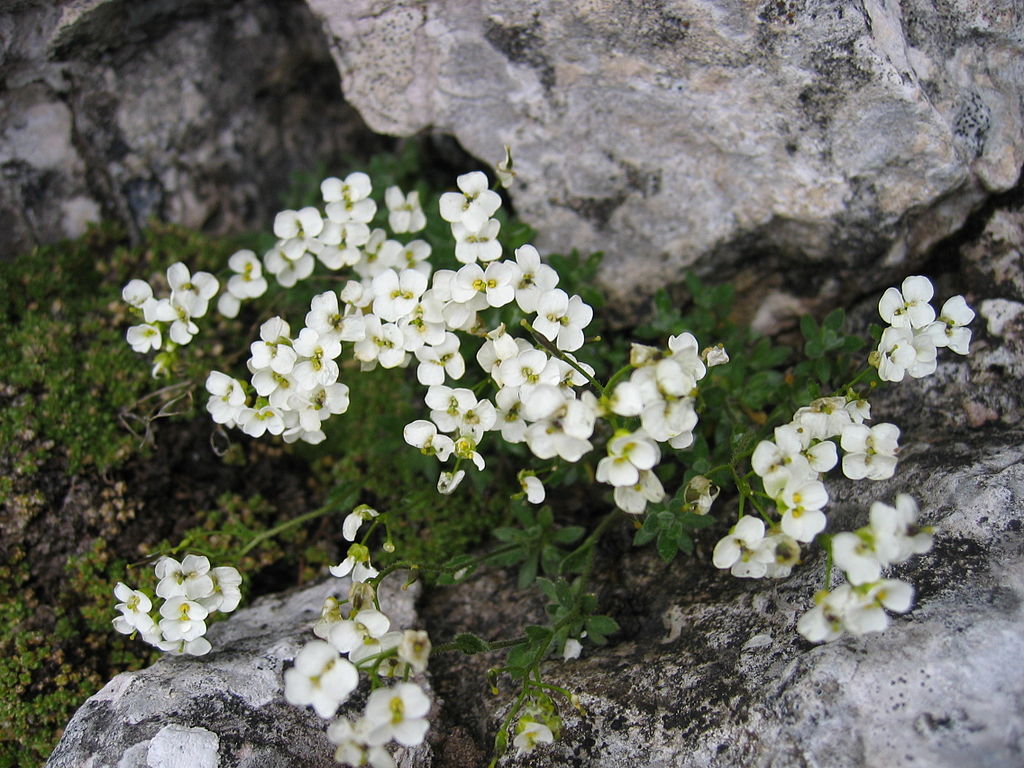
Draba stellata
Tigerente / CC BY-SA 3.0
Here are some more - see if you can guess what the following plant names mean.
Annua
= annual (lives for 1 year)
Asurea
= blue
Decidua
= deciduous
Grandiflora
= large flowers
Muralis
= climber (like a mural on a wall)