Part 2: Botanical terminology
| Site: | OpenLearn Create |
| Course: | Plant biology |
| Book: | Part 2: Botanical terminology |
| Printed by: | Guest user |
| Date: | Friday, 9 October 2026, 4:22 PM |
1. Parts of a plant
Plant morphology = the study of the structural features and parts of a plant
All the parts of a plant, down to the smallest part of the smallest plant cell has a name. Let’s start with the basics then start to have a look in more detail.

Amber Crowley UHI / Public domain
- Bud – an unopened flower
- Flower – for reproduction
- Leaf – for photosynthesis
- Flower stem – holds up the flowers and the seeds
- Roots – for anchoring the plant and absorbing water and nutrients
- Crown – the section between the stems and the roots of the plant.
There are many specific terms that describe the appearance of plants. These can relate to the leaves, stems, roots and flowers of plants and also to the overall habit, or growth form of a plant.

Amber Crowley UHI / Public domain
- Nodes - where a petiole (stalk that supports a leaf) joins the stem of a plant
- Internode - the straight section of stem between nodes
2. Trichomes
The hairs on plants are called trichomes.
Pubescent = a hairy surface (covering of trichomes)
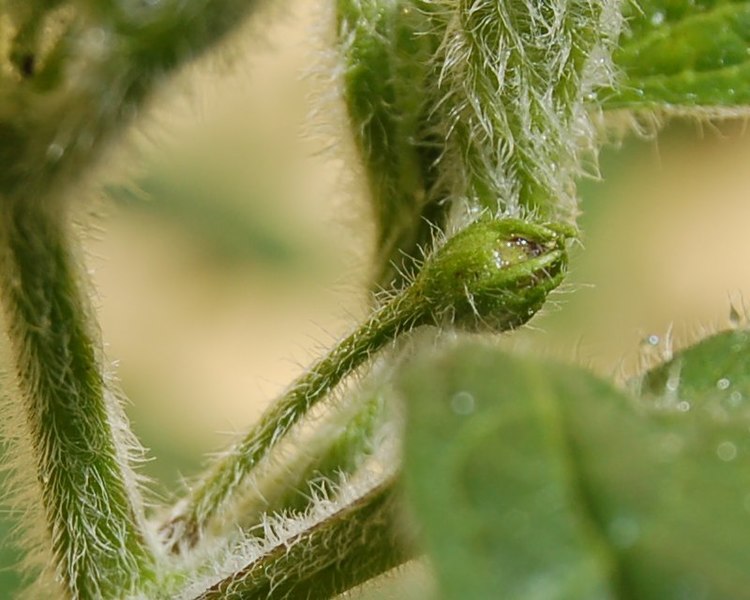
Capsicum pubescens
Lrothc / CC BY-SA 2.5
Glabrous = a smooth surface (no trichomes/no pubescence)

Polyscias racemose
Forest & Kim Starr / CC BY 3.0
3. Types of hair
There are many different forms of hairs which occur on the surfaces of leaves and stems and understanding these different types of hair can be very important in plant identification.
Lanate = woolly
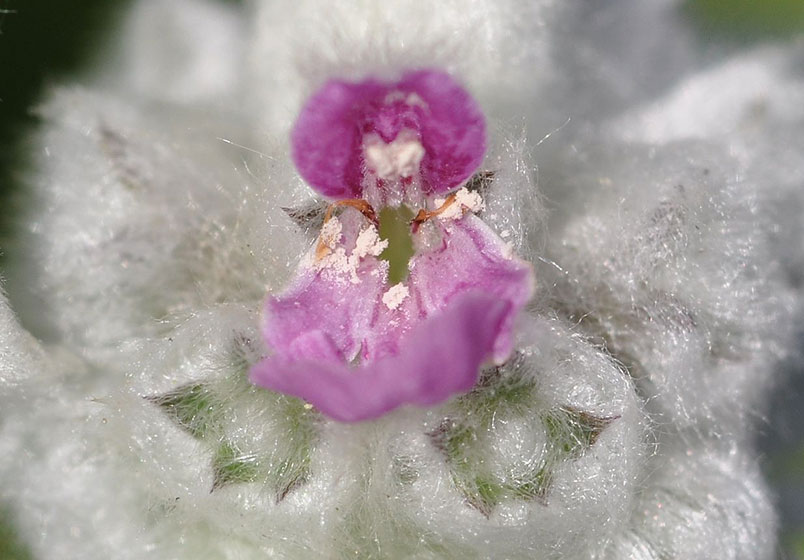
Stachys byzantine
Quartl / CC BY-SA 3
Bristly = stiff hairs
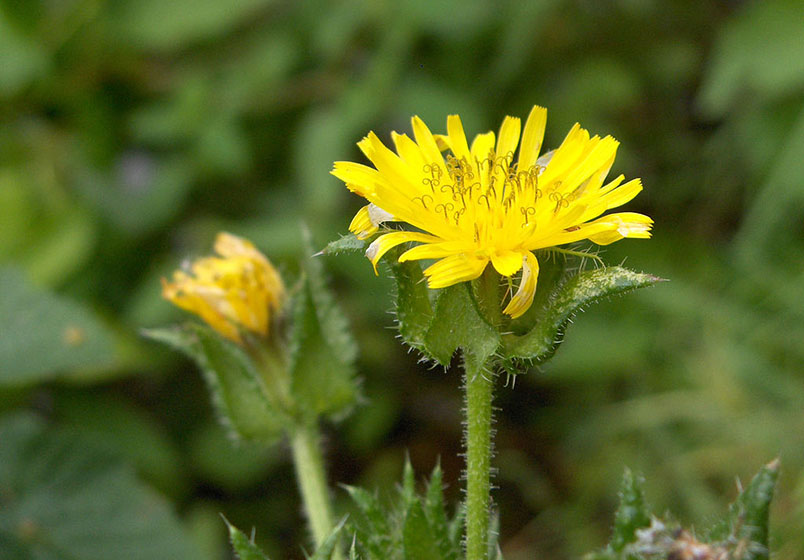
Picris echioides
Stemonitis / CC BY-SA 3
Glandular = glands on the ends of hairs
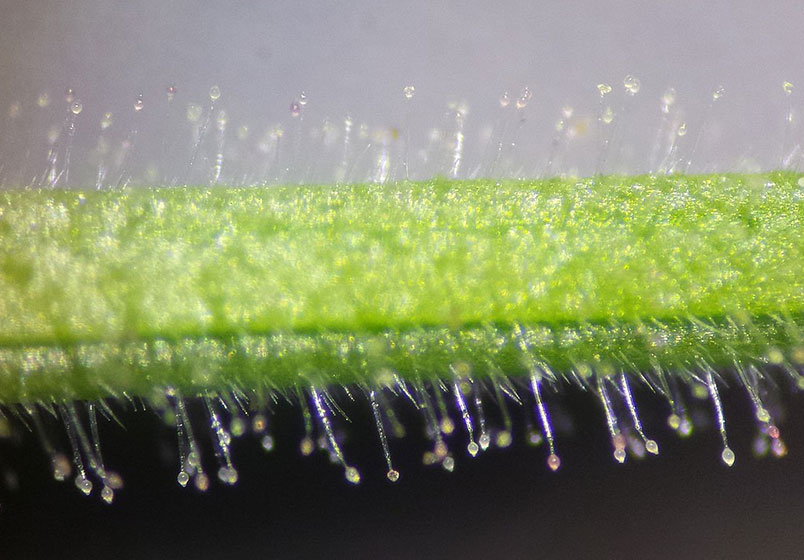
Geranium dissectum
Stefan.lefnaer / CC BY-SA 4
4. Leaf shapes
Different leaf shapes are given names so that botanists and horticulturists can discuss plant characteristics, and so that plant keys can be used for identification.
A few leaf shapes:

Cordate

Ovate
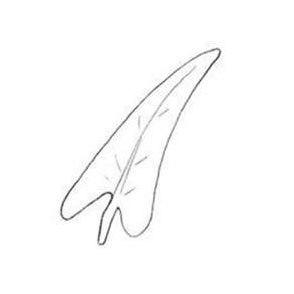
Signature
Look up on the internet and sketch the outline of the following leaf shapes in your notebook:
- Obovate
- Lanceolate
- Linear
- Peltate
- Oblong
Useful website: Glossary of leaf morphology - Wikipedia
Leaves also have different shaped edges. Some have simple edges with no lumps and bumps, these are called ‘entire’ leaves.
A few leaf edge types:

Serate
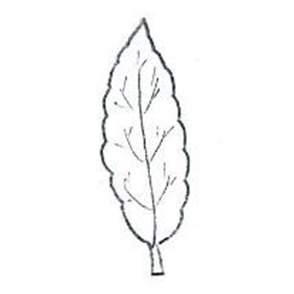
Crenate
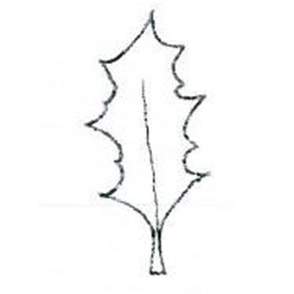
Spinose
Look up on the internet and sketch the edges of the following leaf types in your notebook:
- Undulate
- Sinuate
- Dentate
- Lobate
5. Growth habits
Growth habit = characteristic shape, size and branch pattern of a plant
The habit of a species can vary depending on environmental conditions such as water, nutrient and light availability, exposure of the site or length of growing season, but different species still have distinctive shapes. Click the headings below to see some examples.
Erect plants grow upwards

Ascending plants spread horizontally at first before becoming erect
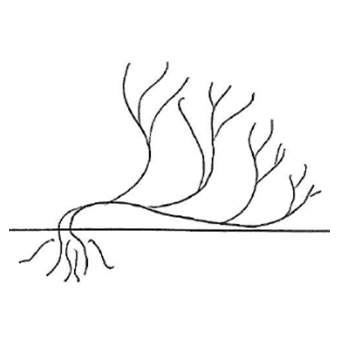
Virgate plants grown upwards with wand-shaped, almost parallel, branches.

Suckering plants spread by pushing up new shoots around the permitter of their original base.

Prostrate plants spread their branches along the ground for most of their length, with their tips turning upwards.

Stoloniferous plants produce runners which travel above the surface of the soil and produce plantlets, like strawberries and creeping buttercup.

Rhizomatous plants produce runners which travel under the surface of the soil and then rise to the surface, producing plantlets, like asparagus and ground elder.

Look up on the internet an example of pictures of plants with the following growth habits:
- Erect
- Ascending
6. Parts of a flower

Derived from Anjubaba / CC BY-SA 4.0
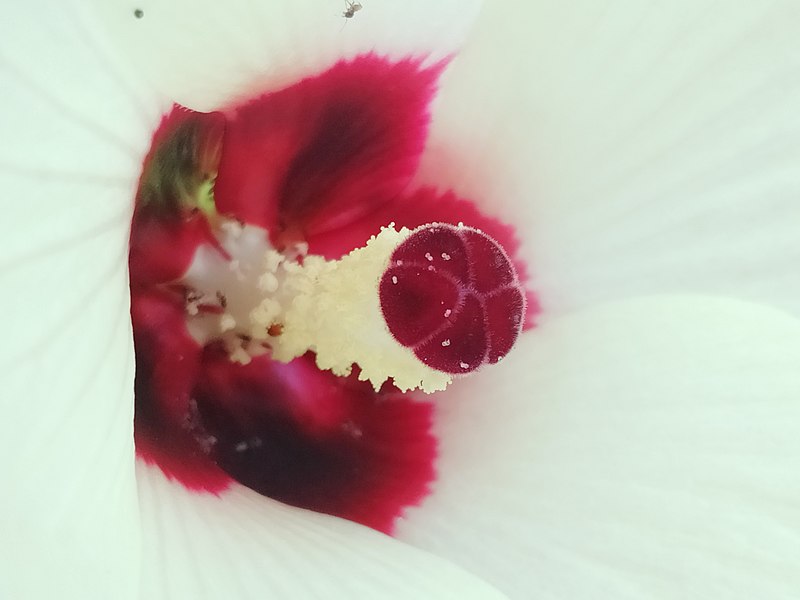
Vijayanrajapuram / CC BY-SA 4.0
The top of the female reproductive parts. A sticky bit where pollen lands.

The stem, or stalk, that hold up the stigma. Part of the female reproductive parts.
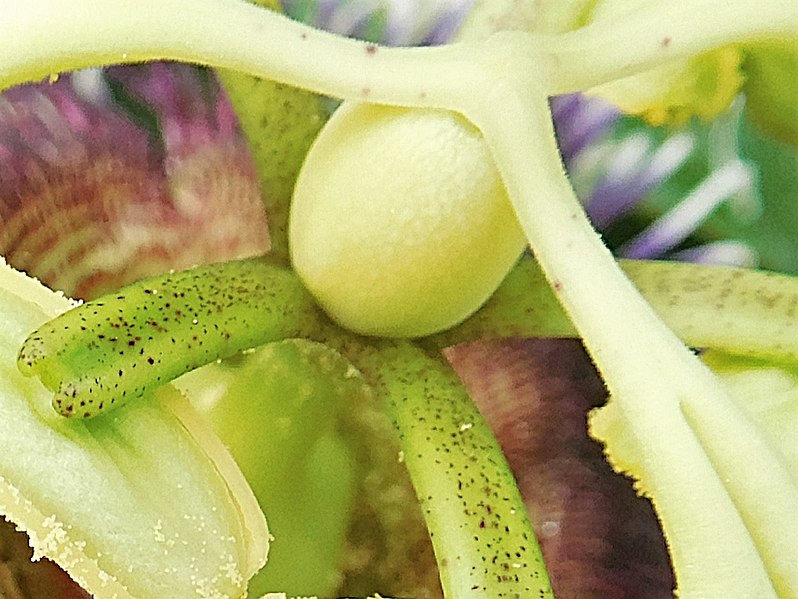
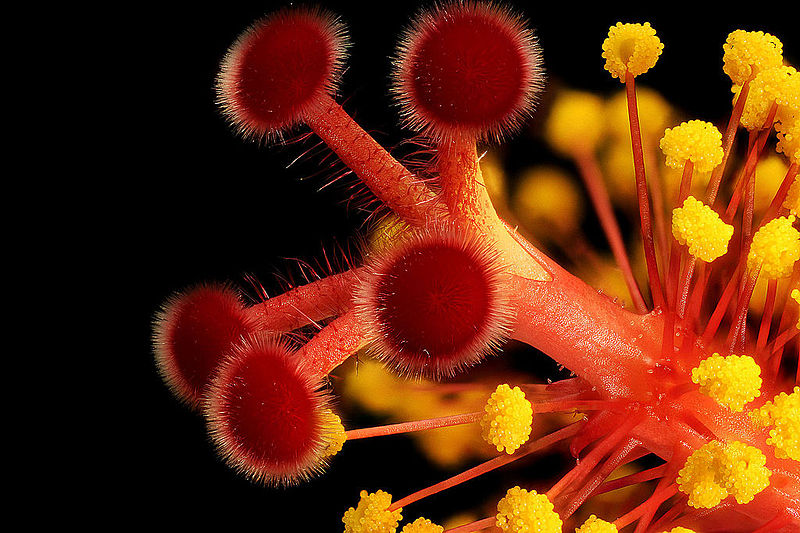
The female reproductive parts made up of the ovary, style and stigma. Also known as the carpel.
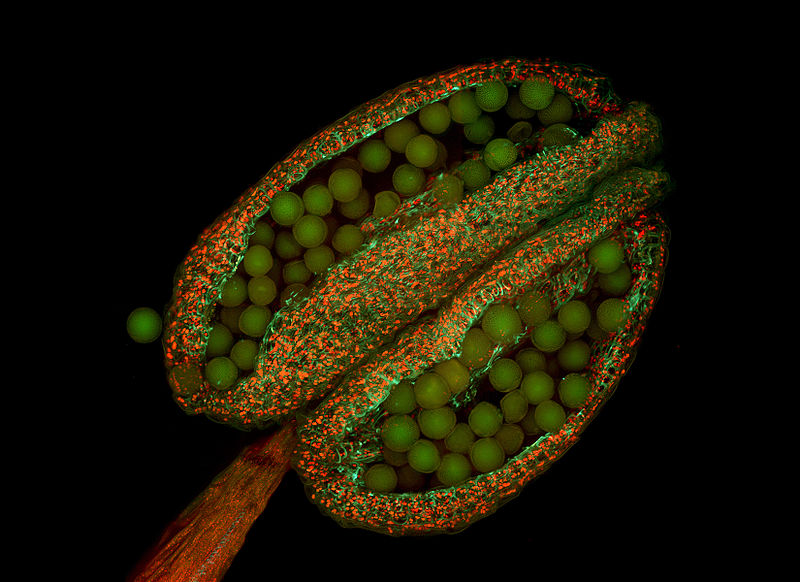
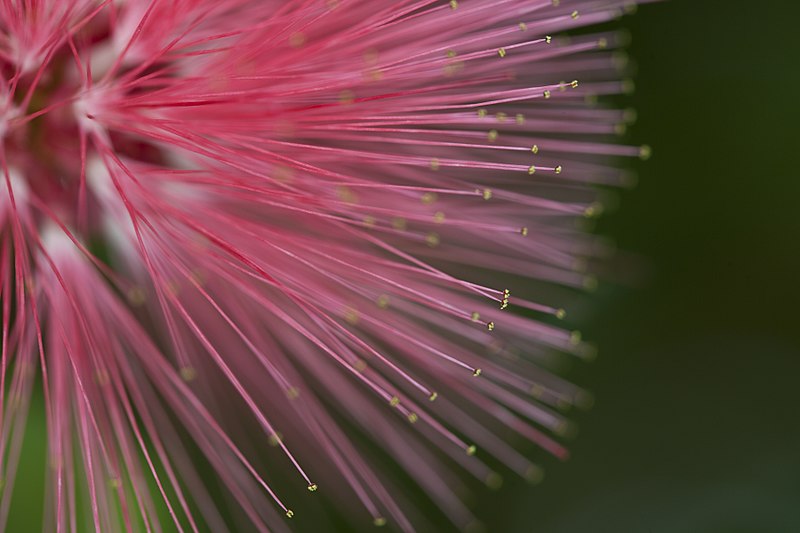
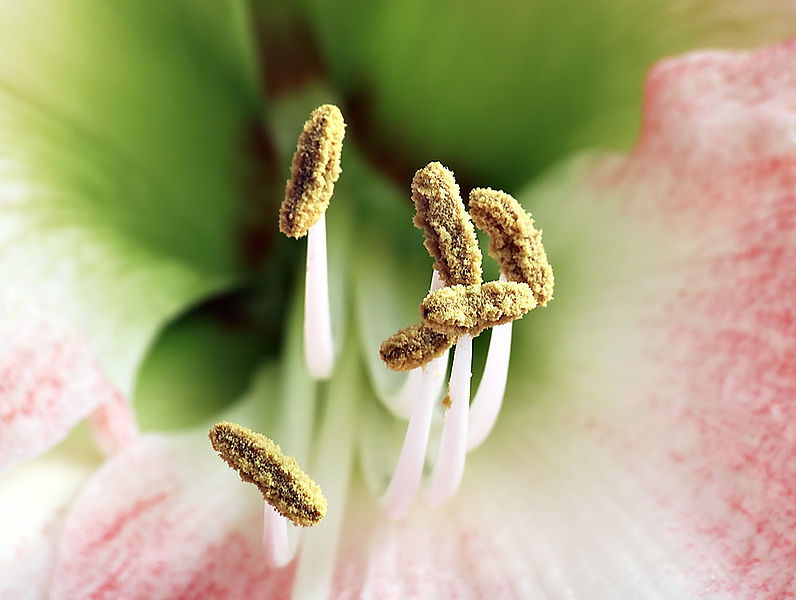
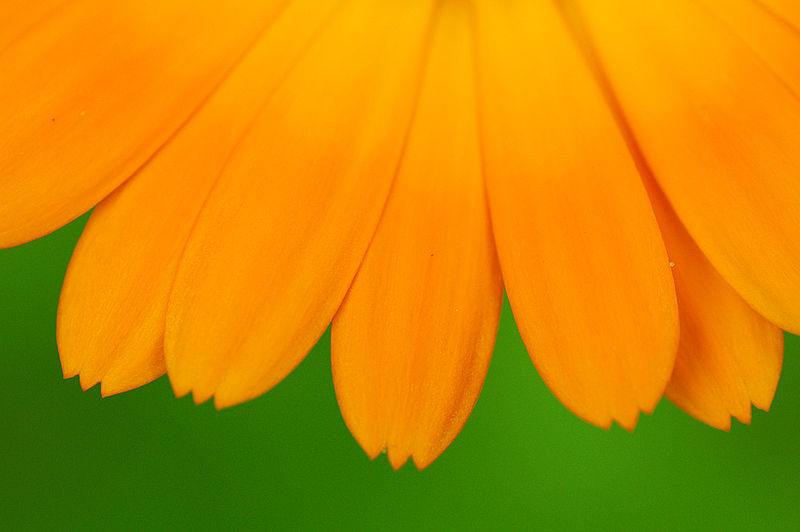
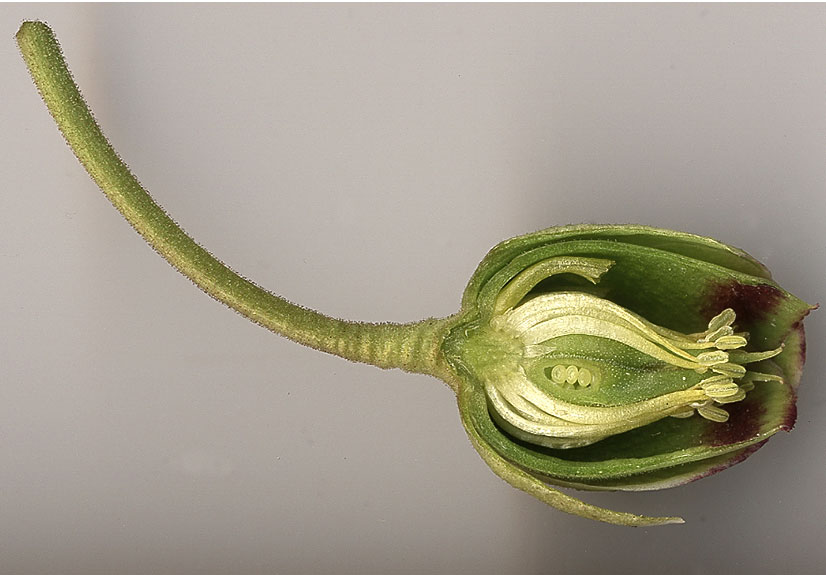
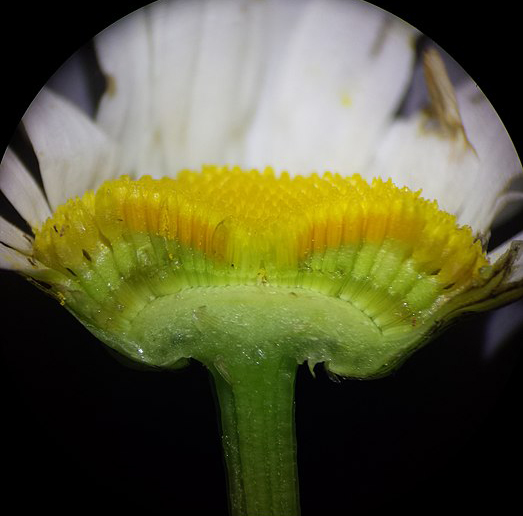
The area of normally green tissue at the base of the flower that hold all of the parts of the flower together.

The normally green leaf-like structures around the base of the flower which encased and protected the developing flower when it was in bud.
Do an internet search for ‘flower parts diagram’ and look at the different diagrams. Draw your own diagram of a flower in your notebook and label the parts. If you can find some flowers in your garden or from a bunch or flowers, then try dissecting them and seeing if you can spot all the structures in the diagram.
7. Parts of a shoot
Plant shoots perform many functions: growth, foot and water transportation, reproduction and photosynthesis.


- Apical
- Terminal
- Lenticel
- Axillary
- Node
- Internode
- Node
- Growth
8. Parts of a root
Roots make up the majority of the bulk of a plant and are every bit as important as the portion of a plant that can be seen above the soil surface.
Plant roots perform several functions: anchoring, taking in water and nutrients, storage of energy.
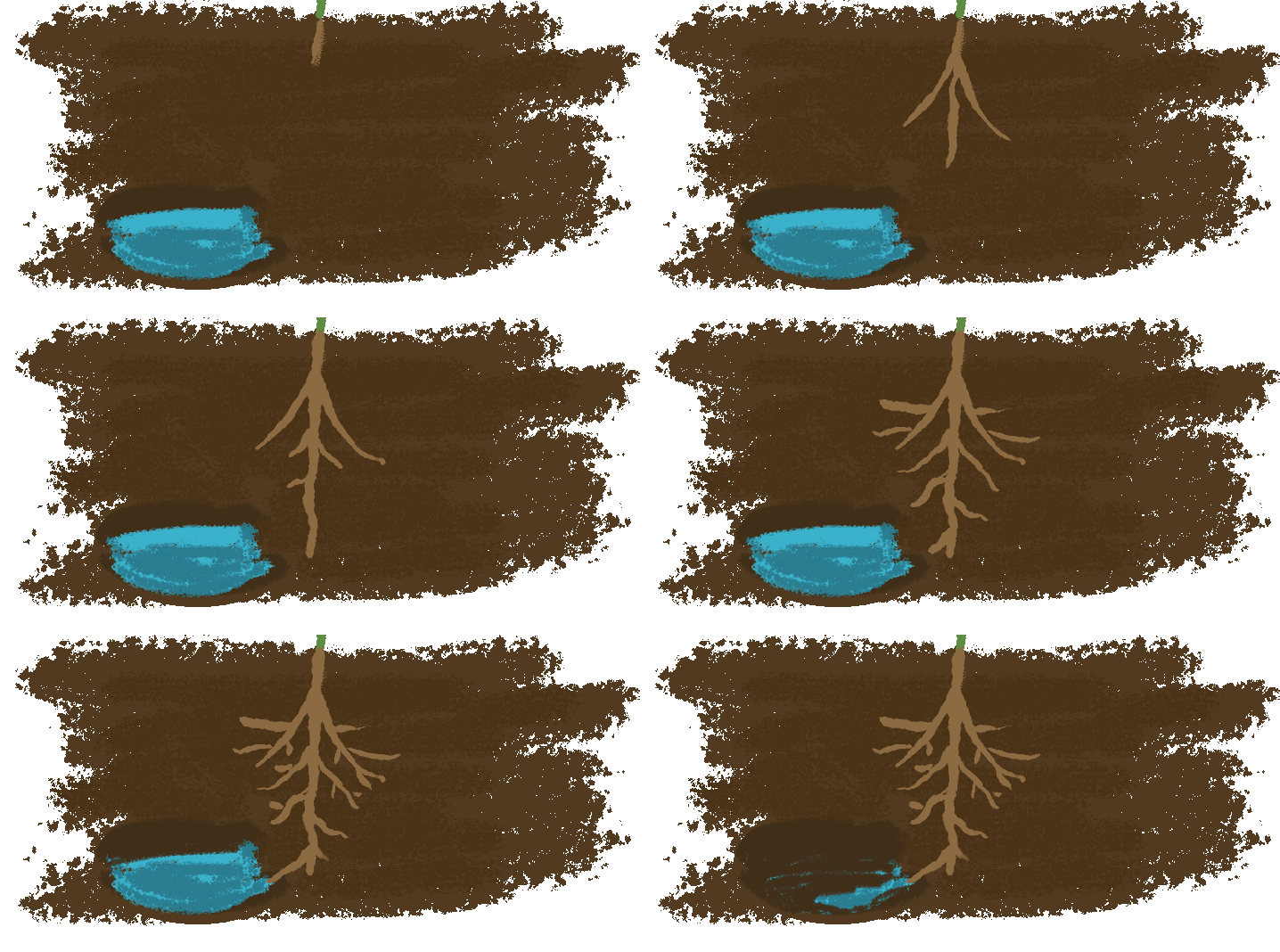
There are two main plant root systems
A taproot is a large, central root, typically tapered and growing directly downwards, from which other roots sprout laterally
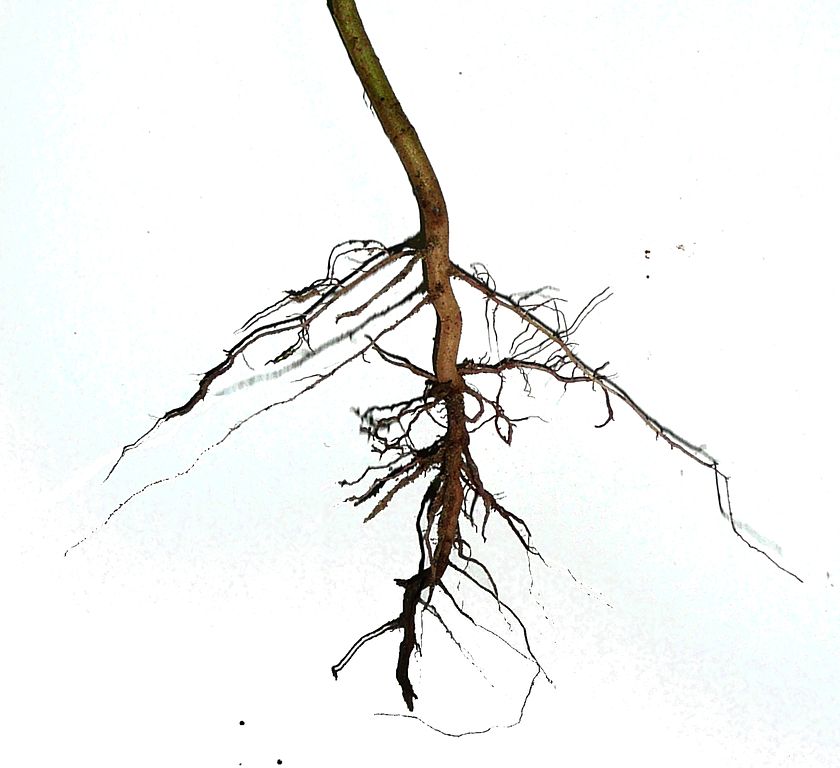
Tap root
/ Public domain
A fibrous root system is usually formed by thin, moderately branching roots growing directly from the stem.

Fibrous root
/
Why do some plants have a tap root system and some plants have a fibrous root system? What function do root hairs perform? Find out more at Roots | Biology for Majors II(lumenlearning.com)