The economic opportunity of rewilding
| Site: | OpenLearn Create |
| Course: | Introduction to Rewilding |
| Book: | The economic opportunity of rewilding |
| Printed by: | Guest user |
| Date: | Sunday, 4 October 2026, 1:01 AM |
Introduction
As you have learned in the first three modules, rewilding is a holistic approach to bring back wilder nature to Europe. Rewilding lets nature lead. Our approach is to reconnect parts of the ecosystem, allowing nature to heal itself, and offering a helping hand where it’s needed.
With the return of nature comes the potential for new economic activities, where nature is an asset rather than a consumable resource to be exploited. Many places where rewilding is happening are places where the old economic use of the land was no longer working, from rocky uplands in Spain to heavy clay soils in England. Or where new opportunities have been identified: widening river beds to reduce the risk of flooding damage downstream, creating space for more natural river systems in the Netherlands, financed by shallow clay extraction for the brick industry.
In this module, you will learn about the different ways that rewilding can contribute to building stronger local economies, and the ways it can draw additional funding from beyond the rewilding area itself.
You will see practical examples of people who have chosen to use their land for rewilding with positive results for nature and the economy.
You will also have the opportunity to reflect on the new economic opportunities that rewilding would present in our case study landscape.
|
‘With a camera you can shoot a brown bear thousands of times, but with a bullet it’s only one time and the animal is gone’ – Nino Salkic, Rewilding Velebit A new path for the Velebit Mountains, 2024 |
 Learning outcomes
After completing this module, you should be able to:
- Analyse how rewilding can generate revenue through nature-based businesses such as tourism and local product sales and evaluate its role in building community support.
- Assess the ways companies can align their operations with rewilding by offering nature-focused services or products and identify the necessary investments in skills and infrastructure.
- Explain how nature tourism promotes sustainability by creating jobs, fostering environmental pride, and driving rewilding efforts, particularly in rural areas.
- Evaluate the benefits of sustainable natural products and ecosystem services and discuss the importance of financial contributions from beneficiaries to support conservation efforts, including the role of carbon credits in rewilding and climate change mitigation.
1 The role of rewilding in boosting local economies
Rewilding is a holistic approach that aims to build local economies in which nature is an asset rather than a consumable resource. It can also attract new investment into an area and have multiplier effects at landscape scale.
In this section we focus on how businesses can become more aligned with rewilding principles and contribute to furthering the rewilding movement.
Click on each icon to read two examples of economic opportunities from rewilding.
1.1 Supporting local enterprise development
Rewilding aims to develop viable business models and new employment and entrepreneurial opportunities so that local people will benefit from nature’s recovery.
Existing businesses can adapt to benefit from the opportunities of a more nature-rich environment, enabling local people to live alongside wilder nature. An existing tourism company changing to offer high-quality nature watching experiences, or a local restaurant serving food from local producers that adopt peaceful coexistence practices.
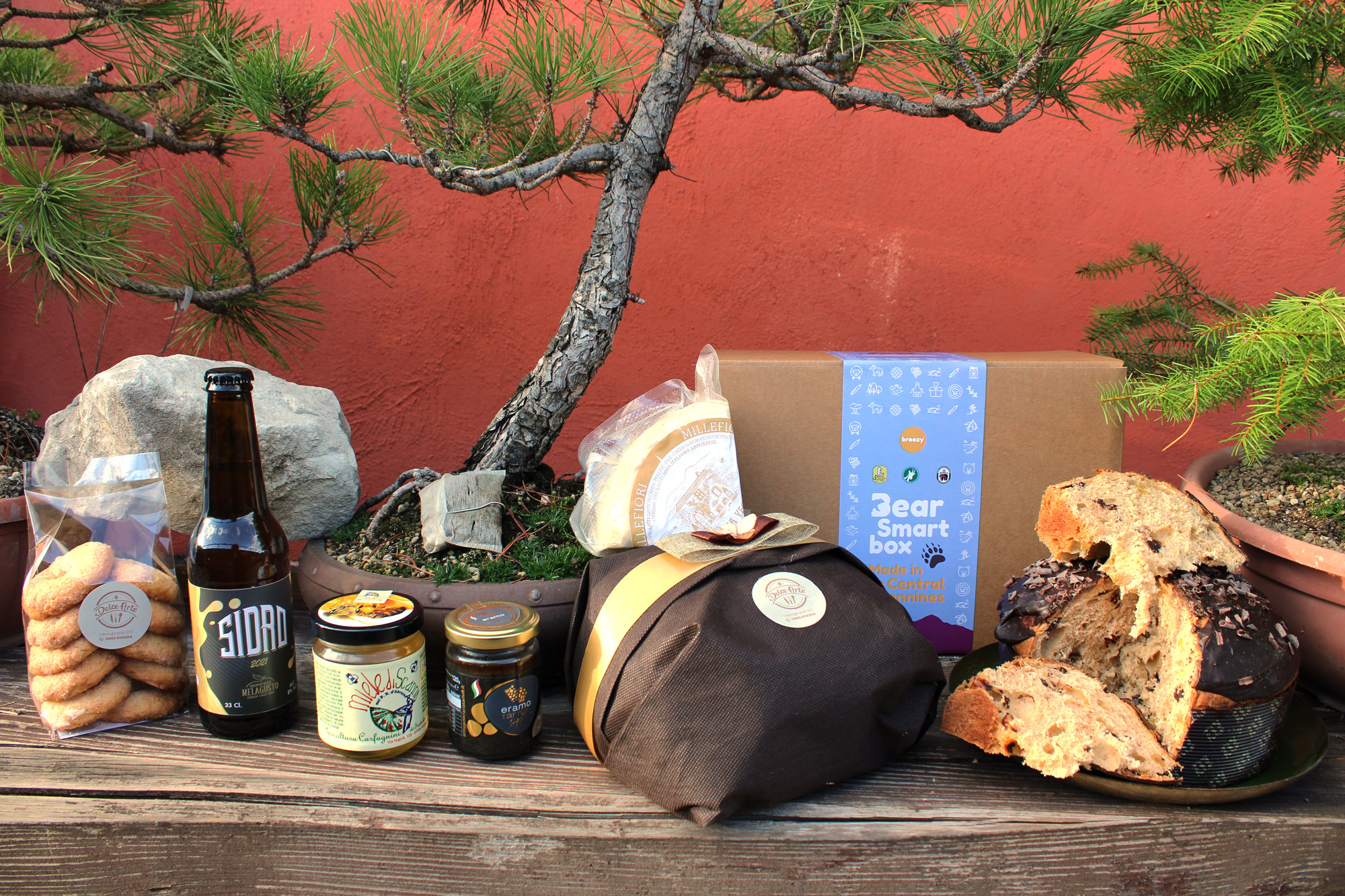
Products Bear-Smart Box in collaboration with Broozy. Credit: Rewilding Apennines.
However, the process of changing and adapting business practices to align with rewilding principles incurs costs.
Click on the icons below to see the different types of costs.
The types of costs vary from place to place: each landscape and seascape is unique, and all offer different economic opportunities or challenges.
1.2 Building nature-based economies in rewilding landscapes
For rewilding to become truly sustainable and for wild nature to have a permanent place in Europe, rewilding has to become a financially competitive form of land use.
There is a variety of economic activities (or business models) that can be developed to support or create incentives for rewilding at landscape scale.
Two examples of sectors are:
- Nature-based tourism.
- The production and sale of local products.
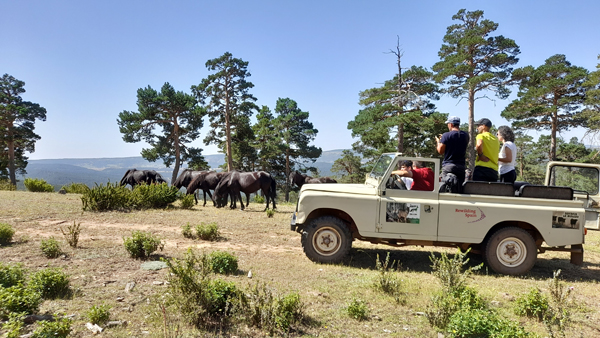
La Maleza Safari Tours in the Iberian Highlands, Tourists in Jeep. Credit: Lidia Valverde / Rewilding Spain
Both tourism and local products can be developed or aligned to rewilding principles:

By developing new economic opportunities or adapting and maintaining existing ones, such as catering and accommodation for tourists, wildlife guiding, or processing and marketing local goods.

Rewilding embraces the role of people, and their cultural and economic connections to the land. Tourism can recognise and celebrate local cultures, while natural products can sustain traditional methods of preparing and using natural products.

By inspiring visitors to rewilding areas, supporting employment that fosters pride in the local environment, and providing opportunities to sell and purchase products that support nature’s recovery.
2 Nature tourism
You learned in Module 1 that rural economies, societies and landscapes across much of Europe are changing as more people move to urban areas. This can create challenges, but also opportunities, such as space for nature to recover and wildlife to return so the beauty of wild nature can become an important attraction for visitors.
Nature-based tourism (or nature tourism) has huge potential to be a driver for rewilding, as more and more people live in urban areas and like to escape from time to time. This has resulted in nature-based tourism being a fast-growing sector (Haukeland et al., 2023). It encompasses travel and recreational activities that are centred around immersing oneself in natural environments, while appreciating its biodiversity and efforts to restore nature.
This form of tourism involves visiting natural and attractive landscapes such as forests, mountains, rivers and coastal areas with a strong emphasis on practicing responsible and low-impact ways of travel.
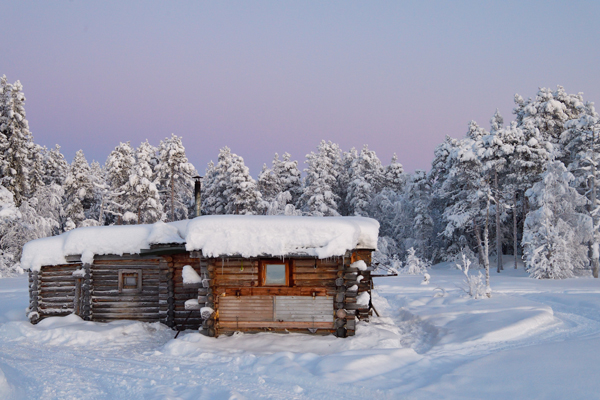
Eagle watching hide at ecotourism site. In winter it can reach -30 C in the boreal Taiga forest. Kalvtrask, Västerbotten, Nordic Taiga, Sweden. Credit: Staffan Widstrand.
2.1 Tourism and rewilding
Tourism in Europe can stimulate and support rewilding.
Click on each item in the list below to see how this can be achieved:
2.2 Existing tourism standards are already aligned with rewilding
The Nature’s Best Sweden (n.d.) standard is a good example of establishing and assuring criteria for high-quality nature-based tourism. Nature’s Best® is both a tool for nature and cultural tourism companies’ sustainable business development and a quality label that makes sustainable experiences visible to tourists.
Nature’s Best® Sweden follows six principles that we want to highlight as they are consistent with the 11 rewilding principles, and with the opportunity for tourism to align with rewilding as described above.
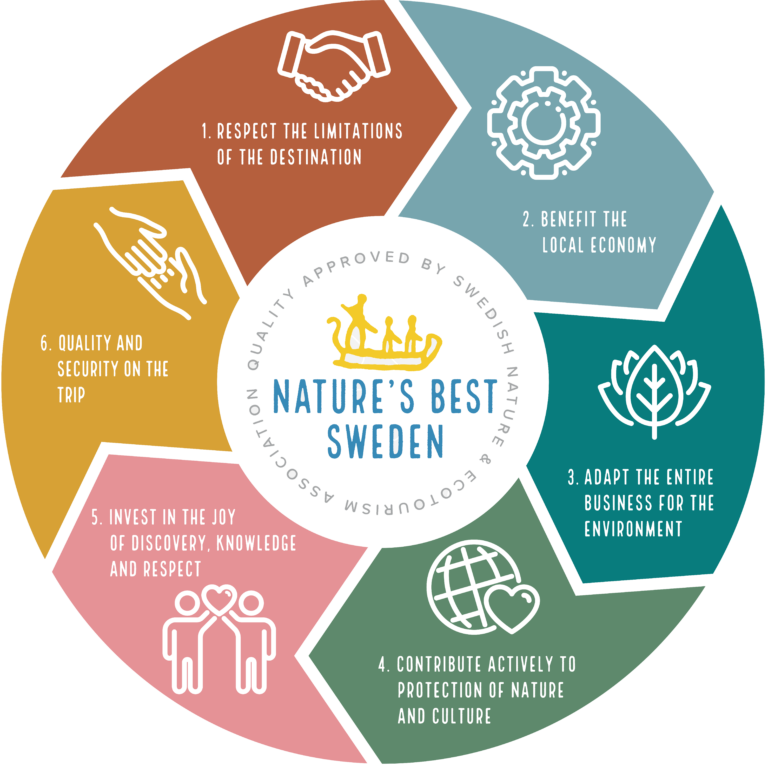
Nature’s Best® six principles of ecotourism. Copyright Naturturismföretagen©.
| Principle | Description |
|---|---|
| Respect the limitations of the destination | Ecotourism is to preserve instead of destroying what the visitor has come to experience. The ecological and cultural viability of each area must be respected. This requires knowledge of the destination of the organiser, local presence and close cooperation with other actors. |
| Benefit the local economy | Ecotourism is to anchor tourism locally. Each event must therefore contribute to the destination’s finances – overnight stays in the locality, local guides and locally purchased goods and services. The more the better. |
| Environmentally adapt the entire business | Approved organisers must actively minimise the environmental impact of travel. Among other things, public transport must be encouraged, accommodation facilities adapted to the environment, waste sorted and environmental fuels given priority. |
| Actively contribute to nature and cultural protection | Support nature conservation in various forms in some active way. The ecotourism organiser collaborates with a living nature and cultural protection opinion. A partnership for mutual benefit. |
| Invest in the joy of discovery, knowledge, and respect | Approved organisers are skilled hosts and knowledgeable guides who offer useful introductions, good advice, guidance, and valuable tips. Good hospitality and well-communicated knowledge are often the key to memorable travel experiences. |
| Quality and security on the trip | Marked arrangements must meet and exceed expectations. Safety is taken seriously and satisfied customers are the rule. The outside world must know that an approved organiser is a reliable partner. |
How does knowing about rewilding principles and criteria such as these help us to transform a local economic activity from one where nature is exploited to one where nature is respected and celebrated?
Let’s explore a case study from Croatia to find out.
2.3 Tourism case study: creating a large wildlife corridor in the Velebit mountains
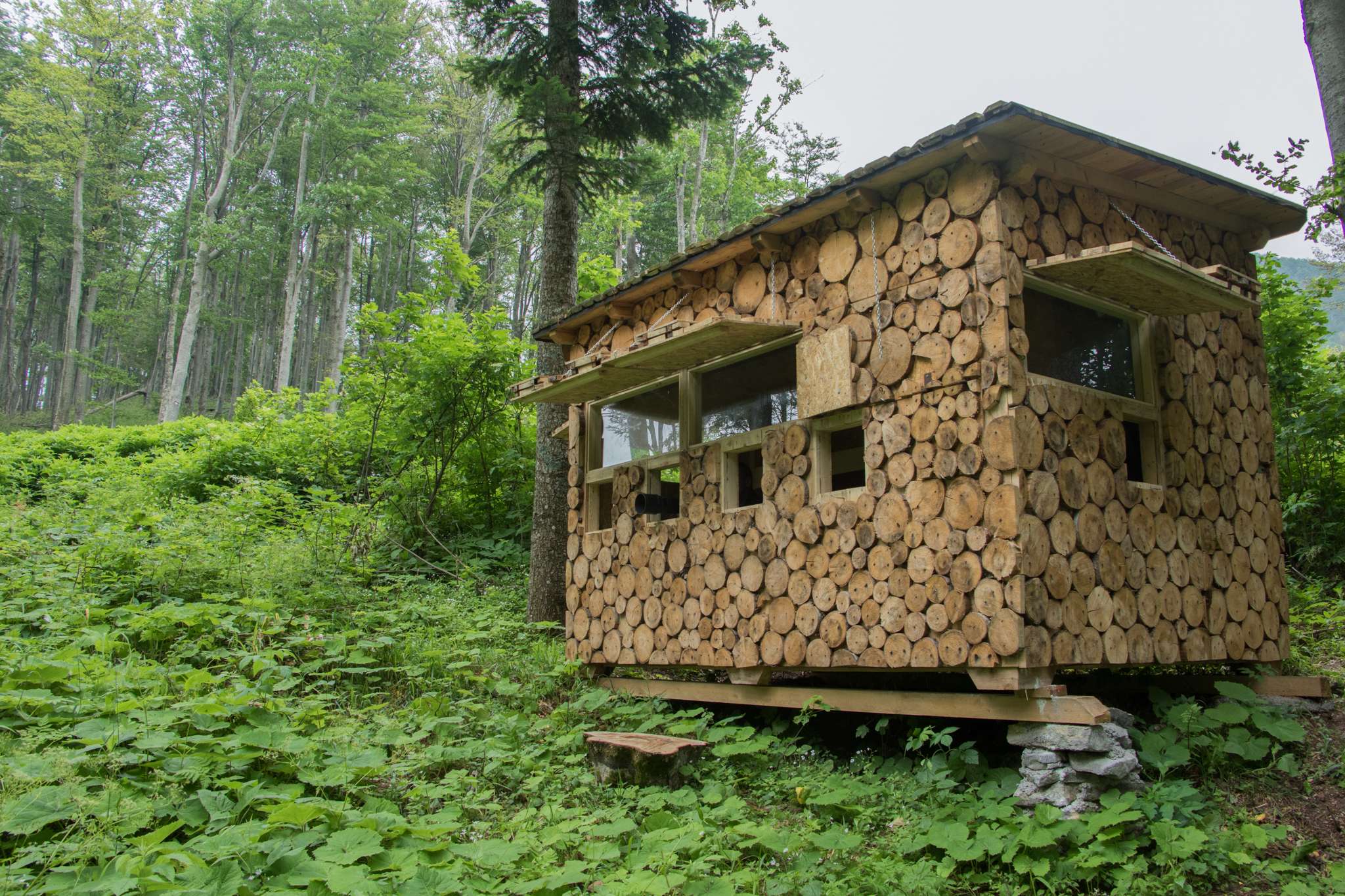
Wildlife watching hides in the Velebit mountains, Croatia, offer a chance to see some of Europe’s most iconic species. Credit: Nino Salkić / Rewilding Velebit.
In the Velebit mountains of Croatia, Rewilding Velebit is focused on creating a large wildlife corridor and restore wildlife populations in this part of the western Balkans. It aims to achieve this by transforming the wildlife management through the lease of five hunting concessions totalling nearly 30,000 hectares.
Situated in the heart of the Velebit Nature Park, Croatia’s largest protected area, the hunting concessions are between two national parks – the Northern Velebit and Paklenica National Parks. Together, this forms a nearly contiguous landscape where wildlife and its population dynamics can recover in an area of over 70,000 hectares.
|

The aim in the Velebit mountains is to transition away from traditional hunting in these concessions to wildlife watching. This includes the creation of large breeding zones, population reinforcements (like releases of red deer, chamois, and Eurasian lynx), creating moratorium on hunting of such species, and promoting human–wildlife coexistence. Brown bear, grey wolf, and Eurasian lynx live here, and more and more people are visiting to see these species. In this way, wildlife photography and related tourism is bringing new and scalable business opportunities to local communities.

Tourism based on a number of new, fully operational wildlife watching and photography hides started in spring 2023. In the first 6 months the new wildlife hides hosted 15 groups of guests totalling around 50 people. This generated a first income of around 7000 euros, which could be higher in future with stronger marketing and promotion. Half of the revenues will be reinvested in nature, while more than 2000 euros has gone to local providers of food, accommodation, and transport.
This success has generated local interest, and it has created new jobs too. Guides from the local area have been trained and they are now taking visitors on hiking tours and photo safaris. Rewilding Velebit also pays local people to clean and maintain the hides.
Ensuring these benefits reach local people is essential so that people are willing to live alongside wilder nature. You will learn more about this in Module 5.
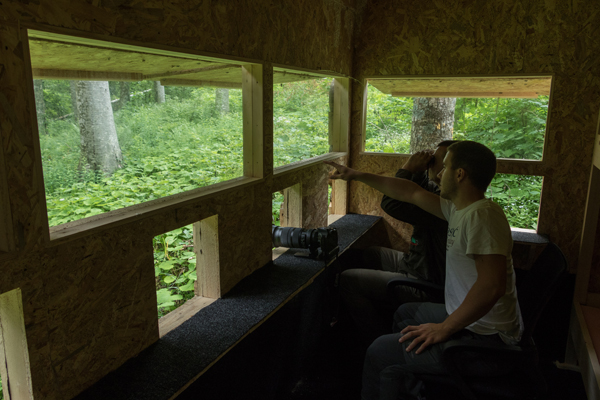
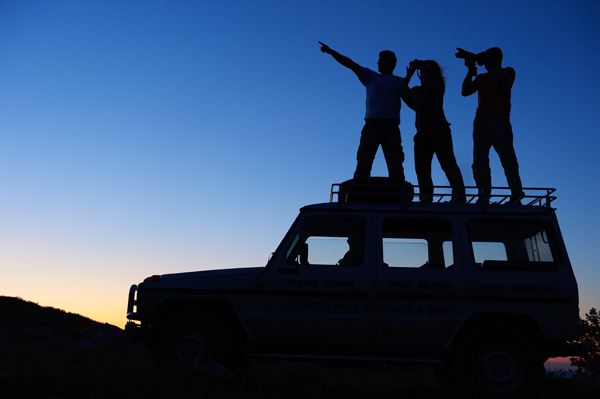
Communities in the Velebit mountains are already benefiting from growing numbers of tourists and the creation of jobs.Credit: Nino Salkić / Rewilding Velebit (left); Staffan Widstrand / Rewilding Europe (right).
3 Natural products
Nature-based products refer to goods derived from sustainably managed natural ecosystems and materials. These products have an opportunity to be sustainably harvested, produced or managed in a way that enhances biodiversity and ecosystem health. They can also contribute extra benefits, such as supporting peaceful coexistence with wildlife or contributing additional funding to rewilding initiatives.
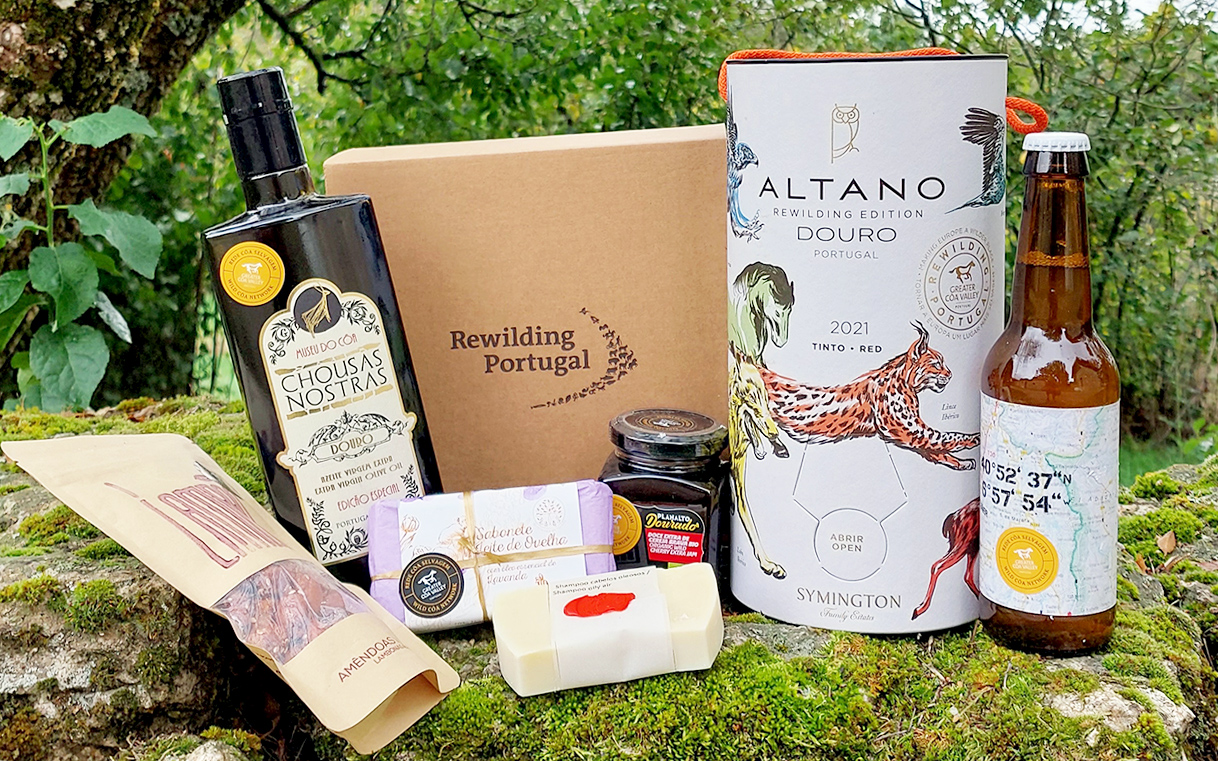
Established by the Rewilding Portugal team, the aim of the Wild Côa Network is to drive the development of nature-based enterprise in and around the Greater Côa Valley. Credit: Rewilding Portugal.
Click on each item in the list below to discover that natural products can include but are not limited to:
3.1 The benefits of natural products
Locally sourced, nature-based products may play an important role in the rewilding process.
Click on each of the icons below to find out how natural products can support rewilding.

Woman looking at oak leaves. Piani Palentini, Scurcola Marsicana, Abruzzo, Italy. Credit: Bruno D'Amicis / Rewilding Europe
3.2 The risks of natural products
Despite these benefits it's essential to carefully assess the potential trade-offs involved in harvesting or producing nature-based products as they could also have a potential negative impact on the ecosystem.
If not done in line with rewilding principles their development may lead to:
- Increased pressure on natural areas through unsustainable harvesting volumes or practices.
- Extension of farmed lands into areas where nature has started to recover.
- Promoting intensive farming practices to produce more of the natural resource being used, or to reduce the cost per unit of the resource.
- Promoting conflicts with animals where wildlife is also a consumer of the same natural resource, like in orchards or apiaries.
3.3 Case study: sustainable natural products
Nemétona is a Spanish start-up based in the city of Cuenca in the Iberian Highlands. Founded in 2021, Nemétona is on track to become one of the first Spanish companies to manufacture cross-laminated timber (CLT) – a type of engineered wood product that represents a sustainable alternative to concrete and steel.
How does that help rewilding?
Manufacturing CLT uses black pine, the most abundant native conifer in the forests of the Serranía de Cuenca region.
Much of the Serranía de Cuenca region is covered in black pine plantations so sourcing timber from these plantations enables them to be thinned out. This:
- creates space for the return and regeneration of other species
- reduces management of the plantations
- lowers the risk of catastrophic wildfire – an increasingly serious risk in southern Europe.
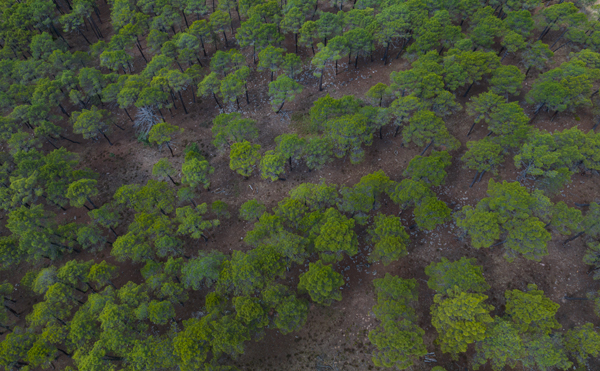
Black pine forests cover much of the Iberian Highland landscape. Credit: Juan Carlos Muñoz Robredo
CLT also offers climate benefits relative to the other construction materials available
Black pine is a renewable resource that is relatively fast growing, unlike the conventional components of steel (iron ore) or concrete (sand). The process of converting wood into CLT also generates far fewer carbon emissions than the manufacture of traditional construction materials. Timber is a much better store of carbon than concrete or steel and once CLT panels have reached the end of their usable life they can be recycled or reused for other purposes.
New economic opportunities in a wilder landscape
Nemétona is operating in the vast and sparsely populated Iberian Highlands. Here, long-term rural depopulation presents local communities with a range of socio-economic challenges. An opportunity to boost biodiversity and reduce the risk of fire while generating new jobs is hugely important.
Nemétona is currently exploring options for establishing its first production plant in the Serranía de Cuenca region. Once the plant is built, Nemétona plans to employ up to 25 people in the first two years of operation.
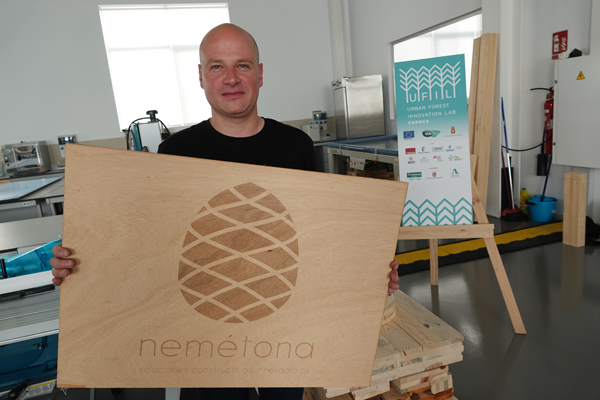
Nemétona’s new manufacturing plant is expected to provide jobs to many people living in local communities. Credit: Lidia Valverde / Rewilding Spain.
The boost to nature – by thinning plantations and allowing more wild nature to recover – also creates addition economic opportunities. Visitors are attracted to the area for wildlife watching experiences, with benefits to local tourism service providers such as hotels and restaurants.
A pioneering loan
Nemétona is being financially supported by Rewilding Europe Capital, which provides loans to help businesses and entrepreneurs to establish rewilding-friendly enterprises.
‘This is the perfect example of how Rewilding Europe Capital takes the specific needs of businesses in and around every landscape into account,’ says Rewilding Spain’s Enterprise Manager Basilio Rodríguez.
‘As long as businesses are aligned with the principles of rewilding, there is a flexibility and desire to help them develop. In this particular case, it makes perfect sense to support Nemétona. Using timber from local black pine plantations for construction reduces carbon emissions and helps to lock up carbon, boosts the economy, and promotes nature recovery. It’s a win-win-win.’
This case study is adapted from an article by Rewilding Europe (2024) ‘Rewilding Europe Capital Supports Sustainable Timber Maker in the Iberian Highlands’.
4 Paying for the benefits of wilder nature
So far in this module, we have looked at the role of rewilding in supporting the development of local economies in rewilding areas.
Rewilding goes further – it recognises that wild nature on its own has value, and that value should be paid for by those who benefit from it.
The different types of benefits that people can gain from nature are sometimes called ecosystem services.
The idea that people should pay for those services is referred to as the ‘user pays’ principle.
‘User pays’ principle
Ecosystem services are provided by nature and historically have been considered free to use. Today there is a growing movement to consider them in financial transactions so they are paid for, which is nature positive as it contributes to further protecting and restoring the ecosystem.
The ‘user pays’ principle is the idea that the user of the ecosystem service should pay for what they are using.
An example to illustrate the ‘user pays’ principle
A national park may be managing the area in a way that provides beautiful recreational opportunities to visitors.
The ‘user pays’ principle could mean that the visitors could pay:
- An entry free, to access the place they are enjoying.
- Fees to tourism operators or nature guides working in the area.
- Charges for overnight stays, such as accommodation or camping.
Part of these fees should contribute to helping nature recover and maintaining facilities in the national park, so it stays or becomes an even more beautiful place.
4.1 Ecosystem services and the ‘user pays’ principle
Ecosystem services are nature’s contributions to people.
Click on each icon below to discover how they are usually arranged into four categories:
Some of these services are provided locally, such as recreation or clean water, while others are global in their effect, such as carbon sequestration that helps to control the climate. Some are regularly paid for, such as recreation opportunities.
Others are now becoming paid for more systematically, such as carbon uptake and storage, while others are rarely paid for directly, such as nature’s role in moderating the effect of extreme events.
As you have learned already, rewilding aims to boost natural processes and restore ecosystem functioning, which means that rewilding also maintains or increases the ecosystem services provided to people.
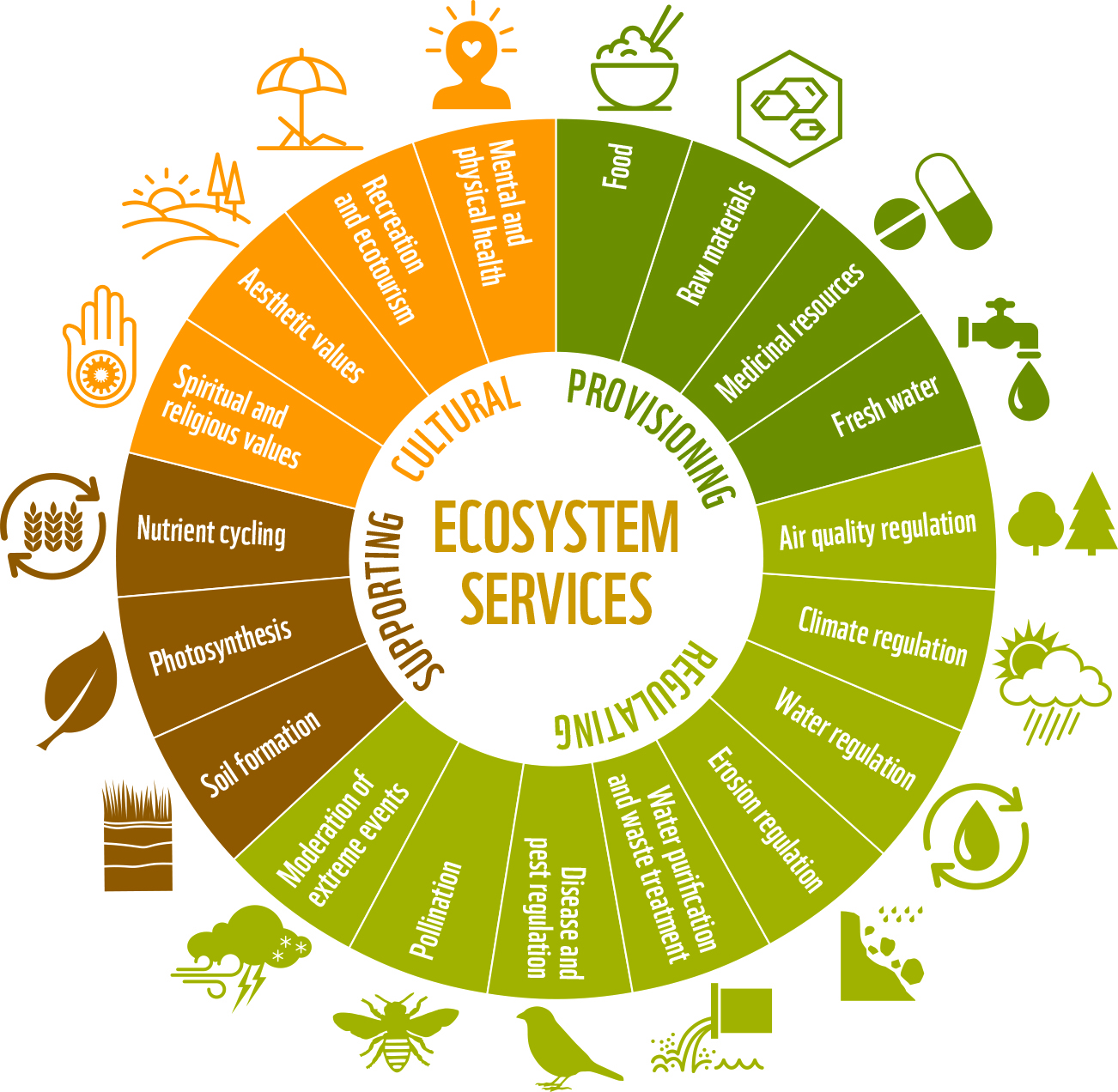
A visual representation of 19 ecosystem services, divided into 4 categories – Cultural, Provisioning, Regulating and Supporting.
4.2 Case study
In some cases, the willingness of the users to pay can even drive a positive change in how the land is being managed.
Mountain biking in Wales
The Bike Park Wales mountain biking company was leasing land from a commercial forestry company in order to run mountain biking trails and activities in the woods.
The forestry here included growing non-native species in straight lines, and clear-felling large areas in one go, leading to areas of the bike park being completely closed during felling operations and the interests of the mountain bikers was becoming increasingly incompatible with the commercial forestry. The monoculture plantations were also highly susceptible to disease and fires, causing trails to be closed while emergencies were dealt with.
Bike Park Wales identified that rewilding would be a solution to these environmental issues and would also provide a better biking environment for their customers. They decided to re-negotiate their tenancy agreement to include rewilding as well as biking. This would mean restructuring the commercial plantation, allowing natural regeneration of other forest species and letting deadwood remain in the forest – reducing human management of the area.
Nature recovery meant a loss in the forestry company’s expected income from the timber they would usually fell and sell. This financial loss had to be compensated for in the new tenancy agreement.
The eventual contract will see Bike Park Wales pay a base rent plus an agreed percentage of ticket sales (from mountain bikers accessing the trails). The total amount is designed to cover 33 years’ worth of forestry income plus the costs of the nature-restoration efforts – a multimillion-pound lease.
Bike Park Wales benefit from the security that the trails won’t be closed for forestry operations and they can also offer their customers a more unique biking opportunity in a more beautiful place. This helps build the business, their reputation, and also gives nature new space to recover.

In summary
From a financial perspective, rewilding organisations can be considered developers or custodians of ecosystems services, as they maintain or increase the services provided by the ecosystem.
In this example users are paying for a type of cultural ecosystem service, ‘recreation and ecotourism’.
Payments for ecosystem services can therefore become a source of sustainable income for rewilding, if they are set up and governed in a transparent way.
4.3 Credits
The Bike Park Wales case study shows how people who are directly using nature pay for the benefits of it. The benefits for wild nature go further than the initial rewilding landscape and in some cases these benefits can be global.
Carbon sequestration is one of the natural processes that rewilding can help to recover. When carbon is locked away within nature it helps to mitigate our changing climate which affects everyone in the world, but how do we ask users to pay for these benefits when the benefits are experienced globally?
Credits are a way to monetise ecosystem services so that they can be more easily bought and sold. They are particularly useful for regulating and supporting services such as carbon sequestration and biodiversity and water regulation, which benefit people over large areas and even globally.
Carbon
The Paris Climate Agreement (2016) reinforces the need for developed countries, including those in Europe, to reach climate neutrality by 2050 by setting ambitions to reduce, mitigate and adapt to climate change and improve these ambitions every five years (UNFCCC, n.d.b). These goals are called Nationally Determined Contributions (NDCs).
Companies can also choose to take steps to reduce and mitigate their carbon emissions which are called voluntary commitments.
One of the ways that countries and companies can achieve their goals is by providing finance for carbon that is taken up or not emitted (UNFCCC, n.d.a).
Click on each of the labels below to see how the process works.
Rewilding and carbon credits
Different habitats can store different amounts of carbon in different ways, as the characteristics of each habitat differ in terms of vegetation development, climate, soil, water, and nutrient availability.
In general, well-functioning habitats can sequester and store large amounts of carbon. This is why rewilding is an important tool to tackle climate change.
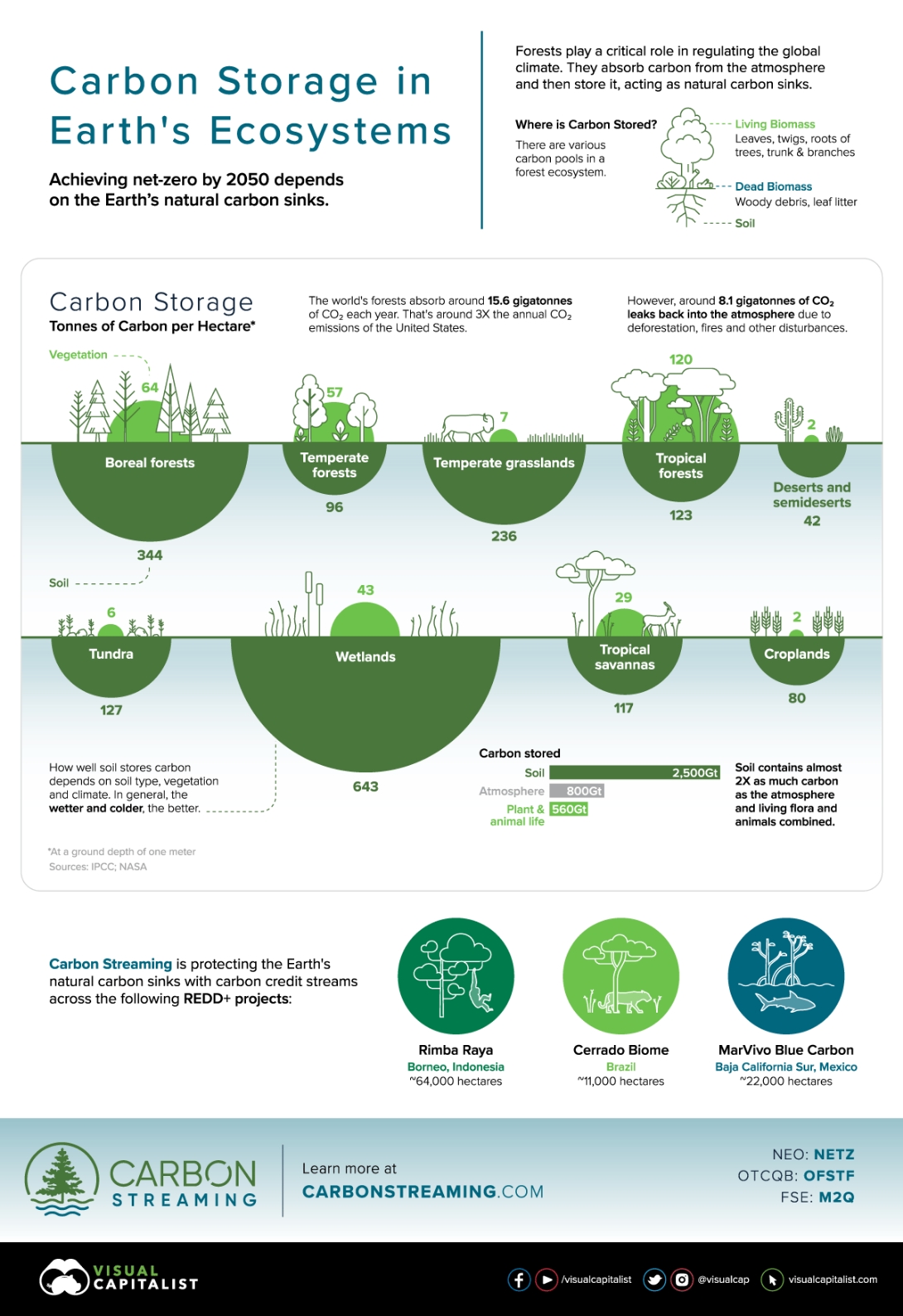
Carbon markets are still evolving and carbon credits could become an important new source of long-term funding for rewilding as they reward the natural regeneration of the ecosystem, and help pay for its long-term protection.
4.4 Case study: Oyster restoration
The European native oyster (Ostrea edulis) is a bivalve mollusc that is found in shallow, subtidal coastal and estuarine areas. It is a keystone species in marine ecosystems, forming an important component of local food webs.
Watch this 2-minute video about the work of Oyster Heaven, to learn how restoring oysters and oyster reefs can purify water, reduce coastal erosion, take up nitrogen, create jobs and generate sustainable financing to scale up marine rewilding across Europe and beyond.
While credits can be used to help make payments for ecosystem services, they are often used to compensate or offset environmental harm elsewhere. Rewilders should therefore approach credits with caution to ensure that credits are really helping nature to recover overall.
5 A fundamental change to the way land is used
All the economic models explained in this module share a fundamental goal: to make land with wilder nature and natural processes more (or at least equally) financially profitable than land that is heavily managed and degraded.
The net costs per hectare of wild land needs to be lower than the costs per hectare of managed or degraded land to motivate and enable more people to adopt rewilding. It is not only about more income but it’s also about lowering the costs (less input) and this may mean reducing interventions, labour, depreciation or other (recurrent) costs.
Many of the new economic models that support rewilding are in development but recent research shows that there can be positive economic benefits of rewilding compared to the traditional land use.
5.1 Case study
Restoring nature by taxing emissions
In 2024 the Danish government officially announced a new scheme that will tax carbon emissions and use the money raised to restore nature. Some agricultural lands will also be taken out of productive use, creating far more space for nature and allowing previously-drained heaths, meadows, river valleys and bogs to recover.
Denmark is the first country in the world to introduce such a scheme. Greenhouse gas emissions from agriculture in Denmark had failed to reduce for several years and this new scheme is expected to drive down emissions, helping Denmark to achieve its ambition to be climate neutral by 2045.
The tax will be introduced in 2030. Learn more about this ambition national scheme at Carbon Brief.
6 Rewilding Enterprises
Now let's return to our rewilding landscape.
|

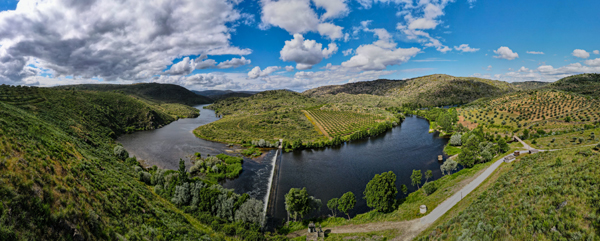

From your answers, you will notice that some potential income-generating activities need investment to get up and running. As you learned at the start, upfront investments can be needed to change how land and nature are used and experienced in the long term.
You will learn more about funding that can enable these changes in Module 8.
6.1 What can you do now?
Not everyone can be a rewilding manager like in the last exercise, but even without land there are many things we can all do to support rewilding, as employees, citizens and consumers.
The holidays we take, the pension we invest in, the products we buy can all support or undermine nature in Europe.
You will learn more about the choices you can make to support rewilding in Module 8.
7 Module summary
In this module, you have learned that rewilding can present significant economic opportunities by generating revenue through nature-based businesses such as tourism and local product sales, which also help build community support. Companies can align their operations with rewilding by offering nature-focused services or products. While this may require upfront investment in skills and infrastructure, it can also create jobs, foster environmental pride, and drive rewilding efforts, particularly in rural areas.
Local economies can benefit from sustainable natural products that support wildlife, but careful management is essential to avoid environmental harm. Nature tourism also has an important role to play.
Rewilding enhances ecosystem services like food production, climate regulation, and recreation. If those who benefit from these services pay for them, it can finance further rewilding. Among the ecosystem services, carbon capture can also be important for financing rewilding efforts. Rewilding helps capture carbon, and selling carbon credits can provide financial support for these initiatives while contributing to climate change mitigation.

Now that you have completed this module, you should be able to:
- Analyse how rewilding can generate revenue through nature-based businesses such as tourism and local product sales and evaluate its role in building community support.
- Assess the ways companies can align their operations with rewilding by offering nature-focused services or products and identify the necessary investments in skills and infrastructure.
- Explain how nature tourism promotes sustainability by creating jobs, fostering environmental pride, and driving rewilding efforts, particularly in rural areas.
- Evaluate the benefits of sustainable natural products and ecosystem services and discuss the importance of financial contributions from beneficiaries to support conservation efforts, including the role of carbon credits in rewilding and climate change mitigation.
7.1 Further reading
Intergovernmental Science-Policy Platform on Biodiversity and Ecosystem Services (IPBES). Summary for Policymakers of the Global Assessment Report on Biodiversity and Ecosystem Services. 2019. https://doi.org/10.5281/zenodo.3553579.
NaturaConnect. ‘Financing Options for the Trans-European Nature Network (TEN-N).’ Accessed January 25, 2025. https://naturaconnect.eu/financing-options-for-the-trans-european-nature-network-ten-n/.
Rewilding Portugal. ‘Wild Côa Network: Local Products.’ Accessed January 25, 2025. https://rewilding-portugal.com/greater-coa-valley/wild-coa-network/local-products/.
Schou, Jesper S., Jesper Bladt, Rasmus Ejrnæs, et al. ‘Economic Assessment of Rewilding versus Agri-Environmental Nature Management.’ Ambio 50 (2021): 1047–1057. https://doi.org/10.1007/s13280-020-01423-8.
7.2 Module 4 quiz

Now it’s time to complete the Module 4 quiz – it’s a great way to check your understanding of the course content.
This quiz contains 5 questions and a pass mark of 60% and above is required if you'd like to be awarded your Module 4 – The economic opportunity of rewilding digital badge.
You can review the answers you gave, and which were correct/incorrect, after each attempt has been completed.
If you don’t pass the quiz at the first attempt, you are allowed as many attempts as you need to pass.