What is the Digital Energy Transition and why is it important?
| Site: | OpenLearn Create |
| Course: | Get Set for Success: Digital Energy Basics |
| Book: | What is the Digital Energy Transition and why is it important? |
| Printed by: | Guest user |
| Date: | Tuesday, 22 September 2026, 1:41 PM |
Table of contents
- 1. Welcome
- 2. Introduction
- 3. Working together to support the Digital Energy Transition
- 4. Digital Technologies
- 5. Policies Supporting Digitalisation
- 6. The potential of the digital energy transition
- 7. The Benefits of Energy Digitalisation
- 8. Challenges of Energy Digitalisation
- 9. Addressing the Challenges of Digital Inclusion
- 10. Cybersecurity and Energy Security
- 11. Solar Panels: Challenges and Opportunities
- 12. Conclusion
- 13. Further Resources
1. Welcome
Welcome to Week One! In this week of the course, we’ll explore:
- What the digital energy transition is.
- Why the digital energy transition is important.
- How the transition is taking place.
- Benefits and challenges of digitalisation.
- Key European policies that support the digital energy transition in Europe.
Learning Outcomes
After studying this week of the course, you should be able to:
- Describe what the digital energy transition is.
- Give some examples of how energy production and use are digitalised.
- Demonstrate understanding of the benefits and challenges of energy digitalisation.
- Be aware of how benefits for some groups of people may present challenges for others.
2. Introduction

Digital technologies are everywhere, and affect the way we live, work, travel and play. Digital technologies can also improve the way we live. For example, new technologies can help us better understand and reduce our energy consumption. In today’s climate emergency, digital technologies can also support the reduction of carbon emissions and our move away from fossil fuels to more sustainable and clean technologies such as solar and wind. Digitalisation can also increase the effectiveness of these power sources for both producers and consumers.
The energy sector has been an early adopter of digital technologies. In the 1970s, power utilities were digital pioneers, using emerging technologies to facilitate grid management and operations. Oil and gas companies have long used digital technologies to improve decision-making for exploration and production assets, including reservoirs and pipelines. The digitalisation of energy also has an important role in ensuring the safe and effective operation of energy markets, and networks, for example, by enabling fault detection and ensuring grid stability.
The digital energy transition involves and impacts on us all in different ways. As we will see what benefits one group can present challenges or opportunities for others. As we will explore in this course, our access to experiences and perceptions of digital technologies plays a key role. Enabling everyone to be part of the digital energy transition presents both challenges and opportunities.
3. Working together to support the Digital Energy Transition
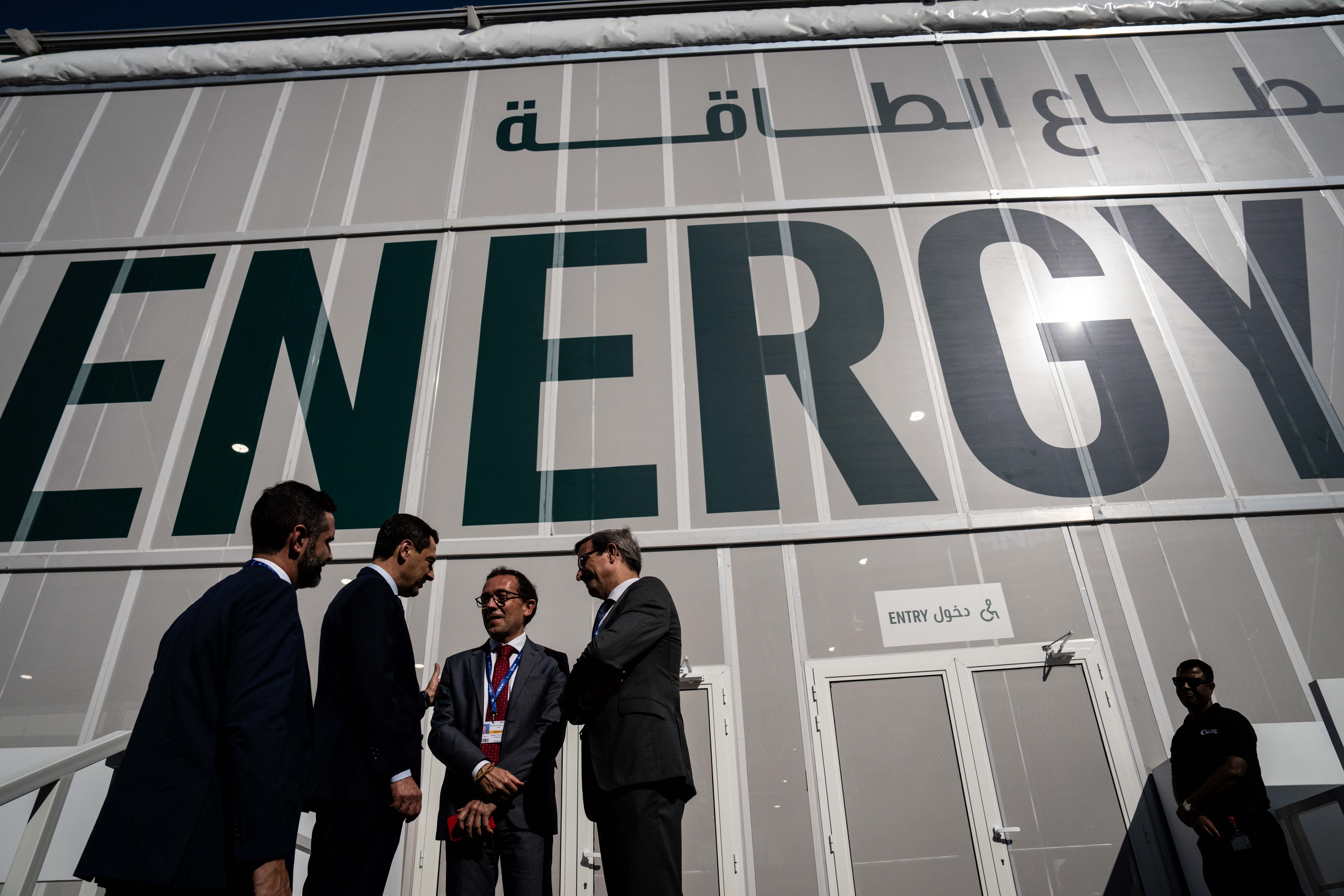
We need rapid action to tackle climate change and reduce our dependency on fossil fuels.
Well known examples of international meetings to coordinate action around the world include the annual Conference of the Parties (COP). The COP brings together all nation states that are members of the United Nations to agree and commit to action on climate change. In November 2023 COP28 took place in the United Arab Emirates. At COP28 participants negotiated efforts to keep global warming within 1.5 degrees Celsius. In 2024 COP29 was hosted in Baku, Azerbaijan. COP29 highlighted the disparity between those that are contributing to climate change, and those most impacted, with a focus on agreeing meaningful financial support. In November 2025 COP30 will take place in Belém, Brazil.
Within Europe, one key initiative is The European Commission’s European Green Deal. The European Green Deal (2019) aims to significantly reduce the amount of greenhouse gases produced in the European Union (EU) region. The aim by 2050 is to have zero net emissions across the EU. This involves rapidly reducing our dependency on, and use of, fossil fuels, and replacing them with green energy sources. To support this ambition, Fit for 55 legislation supports European countries to reduce greenhouse gases by 55% by 2030.
The Green Deal also recognises that to do so, the shift away from fossil fuels involves the creation of new industries and economies to support countries and regions’ reliance on fossil fuel economies.
Central to The Green Deal is that “no person and no place is left behind.” Everyone has a role to play in reducing their energy consumption and engaging in the energy transition. Conversely, everyone has a role to play in supporting others, wherever they live, to participate in the energy transition.
4. Digital Technologies

Everyday digital technologies that you might use include smartphones and other internet enabled devices, such as your laptop or PC. Digital technologies can also include watches, home appliances or cars that are connected to communications networks to provide a range of digital services and applications. This is called the Internet of Things (IoT).
The IoT refers to devices that can transfer data to one another without human intervention and that can provide services such as personal healthcare, smart electricity grids, surveillance, home automation and intelligent transport.
Think about the smart devices you use at home, or that you have seen others use. Many of these appliances have digital capabilities which enable us to better understand how and when we use energy. For example, you may have a smart or digital meter that monitors your electricity usage and sends updates to your electricity supplier.
You might also use apps on your smartphone to:
- Monitor the temperature of different rooms in your house and turn the heating on or off, in different areas of the house, if the temperature changes.
- Control lights (smart bulbs) in your home.
- Charge your electric car at a time that works best for you.
These types of smart devices can enable you to better understand, monitor and reduce your energy consumption. Data on how we use and consume energy can also be of benefit to companies and governments by providing real time insights. These can be used to inform policy or to optimise the energy infrastructure. Other types of digital technologies such as artificial intelligence can also be used by businesses to better understand and support efficient energy production and consumption.
5. Policies Supporting Digitalisation
Policies such as the EU’s Digital Strategy support implementation of the European Green Deal through their focus on ensuring practices and infrastructure are fit for purpose and people have the digital skills they need.
94% of households in the European Union had access to the internet in 2024. With widespread access to internet enabled devices, digital technologies have a key role to play in addressing the challenges we face and the success of initiatives such as the European Green Deal. However, whilst the number of people with internet access continues to increase, there also remains the challenge of effectively engaging with the estimated 6% of people who do not have access to the internet. How can we ensure that “no person is left behind” in the digital energy transition?
6. The potential of the digital energy transition
Using digital technologies to better understand and manage your own energy consumption and potentially reduce costs is one aspect of the digital energy transition. However, the greatest transformational potential for digitalisation is how it can optimise the consumption and production of energy. Our transition away from fossil fuels to renewable energy sources by using digital technologies includes the following connected opportunities:
- Demand response: One billion households globally and 11 billion smart devices could actively participate in interconnected electricity systems. This would enable households and devices to flexibly draw electricity from the grid, for example, choosing to use appliances at off-peak times, when less electricity is consumed overall, and it is therefore cheaper. This is known as demand response (DR). We will discuss the role of demand response in more detail in Week Four of the course.
- Intermittent renewables: Digitalisation can support better integration of intermittent renewables (e.g. energy sources such as solar and wind that often fluctuate throughout the day) by enabling the grid, suppliers, producers and consumers to better match energy production and consumption. This means we can make the most of when renewable sources, such as the sun and the wind, are available.
- Smart charging technologies: Rolling out smart charging technologies for electric vehicles. This could help shift charging to periods when electricity demand is low, and supply is abundant. Alternatively charging could reduce grid demand through using stored energy later in the day, when the grid might need more energy production and less consumption. In both cases, there is the potential to save money and benefit from dynamic pricing (where energy costs less when there is less demand and vice versa).
- Distributed energy resources: Digitalisation can facilitate the development of distributed energy resources (DER), such as household solar panels. For example, you may be able to sell surplus electricity to the grid.
7. The Benefits of Energy Digitalisation
Making use of digital technologies to better understand our energy consumption at home or work can provide real-time insights as to what appliances are consuming energy and when. This understanding of how we use energy can provide a range of benefits.
Support informed choices
Understanding how and when we use energy, can help us make more informed decisions about our energy use. We could choose to reduce our energy consumption or use certain appliances at times when there is less demand. For example, it may be more cost-saving to run a washing machine overnight when there is an off-peak energy tariff available.
Reduce costs and increase savings
Informed decisions about energy use can reduce costs and increase savings. Using our household appliances less can also be beneficial as there is less wear-and-tear to appliances. This can result in appliances lasting longer and reducing the need for repairs as unnecessary or extensive use is limited.
Reduce carbon emissions
Reducing our energy consumption reduces our carbon emissions. We could also reduce our impact on the environment by using or buying electricity produced by clean technologies such as solar or wind. Reducing our energy use enables the energy grid to respond more effectively to changes in our needs, therefore enhancing energy efficiency and reducing environmental impact. Similarly, adjusting our energy needs during peak demand periods can reduce the need for relying on fossil fuels for back-up generation of electricity.
8. Challenges of Energy Digitalisation

Now that we’ve looked at some of the benefits of energy digitalisation, let’s take a closer look of some of the challenges faced by both producers and consumers of energy.
Inclusion and Access
As we saw earlier, an important focus of The European Commission’s European Green Deal is ensuring that everyone, no matter where they live or who they are, is engaged in the digital energy transition. This is why policies such as the EU’s Digital Strategy aim to ensure that the infrastructure, skills and technologies needed are in place.
Ensuring that everyone has access to, and the skills to use, digital technologies is vital. Research by The University of Bristol highlights five key areas that should be addressed to ensure that the digital energy transition is for everyone:
- Whether people feel safe and comfortable using digital technologies.
- The cost and availability of digital technologies.
- Whether some energy users are excluded from energy saving initiatives such as dynamic pricing because of their type of energy contract.
- The need for jargon-free explanations, in a range of online and offline formats, to ensure that everyone has access to information they need.
- An awareness that there is often a range of factors and needs as to why individuals and communities may be excluded currently from engaging in the digital energy transition.
Ensuring that the digital energy transition is accessible, understandable and works for the benefit of everyone is critical.
9. Addressing the Challenges of Digital Inclusion
Video: Digital Inclusion in the Digitalising Energy System (14 minutes)
Watch this short video from the Every1 project, which discusses why digital inclusion is important within the context of the digital energy transition. Four key themes related to digital inclusion are discussed: Financing; Time; Trust and Literacy; and Communication.
Download the video transcript.
Activity: Addressing the Challenges of Digital Inclusion (10 minutes)
To ensure that everyone can engage in the digital energy transition, we need to address the challenges of digital inclusion.
Select one of the four themes discussed in the video. This could be the theme that resonates most with you, either within your personal and/or professional contexts.
Reflect on the challenges and opportunities that are discussed for your chosen theme. What do you think the most important challenge for that theme is, and why? Are there any other challenges you can think of related to this theme?
Finally, reflect on the opportunities to address your chosen theme’s challenges. Can you think of any other opportunities or way we could address the challenges discussed? How can we better support everyone to engage in the digital energy transition?
Write down your thoughts. If you are working through the course with others you may like to discuss your reflections together.
10. Cybersecurity and Energy Security
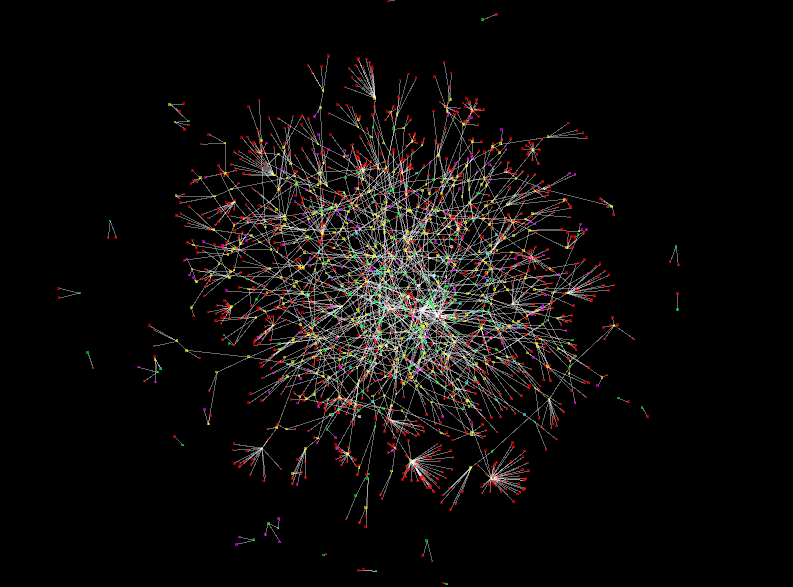
As we have seen, and as our world becomes increasingly digitalised, it is vital that people feel comfortable and safe using digital technologies for everyday tasks. In this week’s video on digital inclusion, we saw that trust in technology is a key issue to address.
To increase cybersecurity means we need to ensure that our data and systems are safe and secure. Minimising the risk of hacking, data breaches and malicious attacks is essential. It is an ongoing effort to ensure that our energy infrastructure is secure and that risks are minimised. This involves everyone in the energy infrastructure, from energy consumers to producers.
Digitalisation is also important to energy security, which focuses on minimising disruption to energy production and supply. The war in Ukraine is an example of where energy security was impacted, with price rises and disruption to the availability of energy. Ensuring that countries have a range of different sources for their energy needs or are not overly reliant on one source of energy (e.g. coal or gas) requires flexibility that only digitalisation can provide.
11. Solar Panels: Challenges and Opportunities
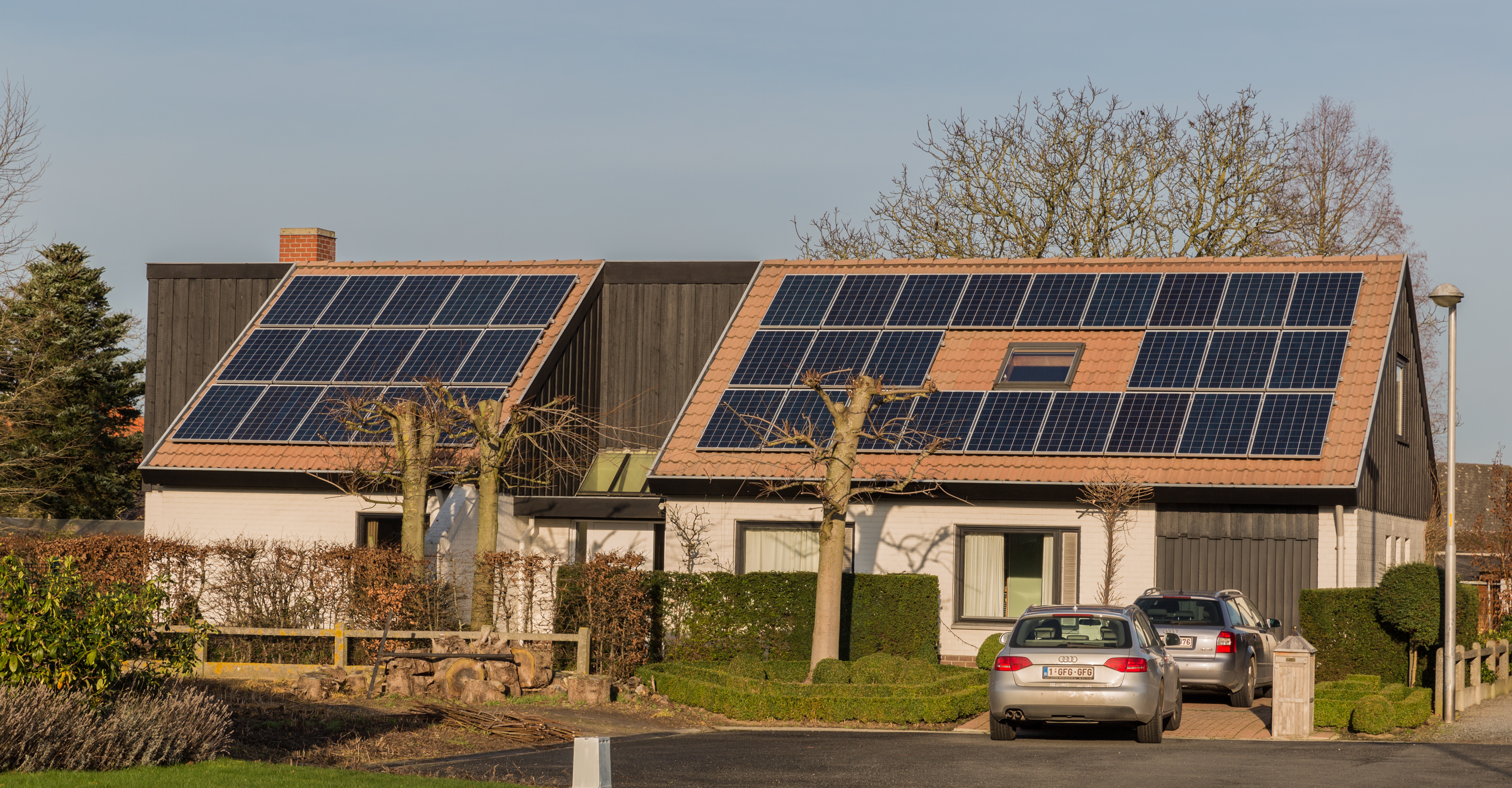
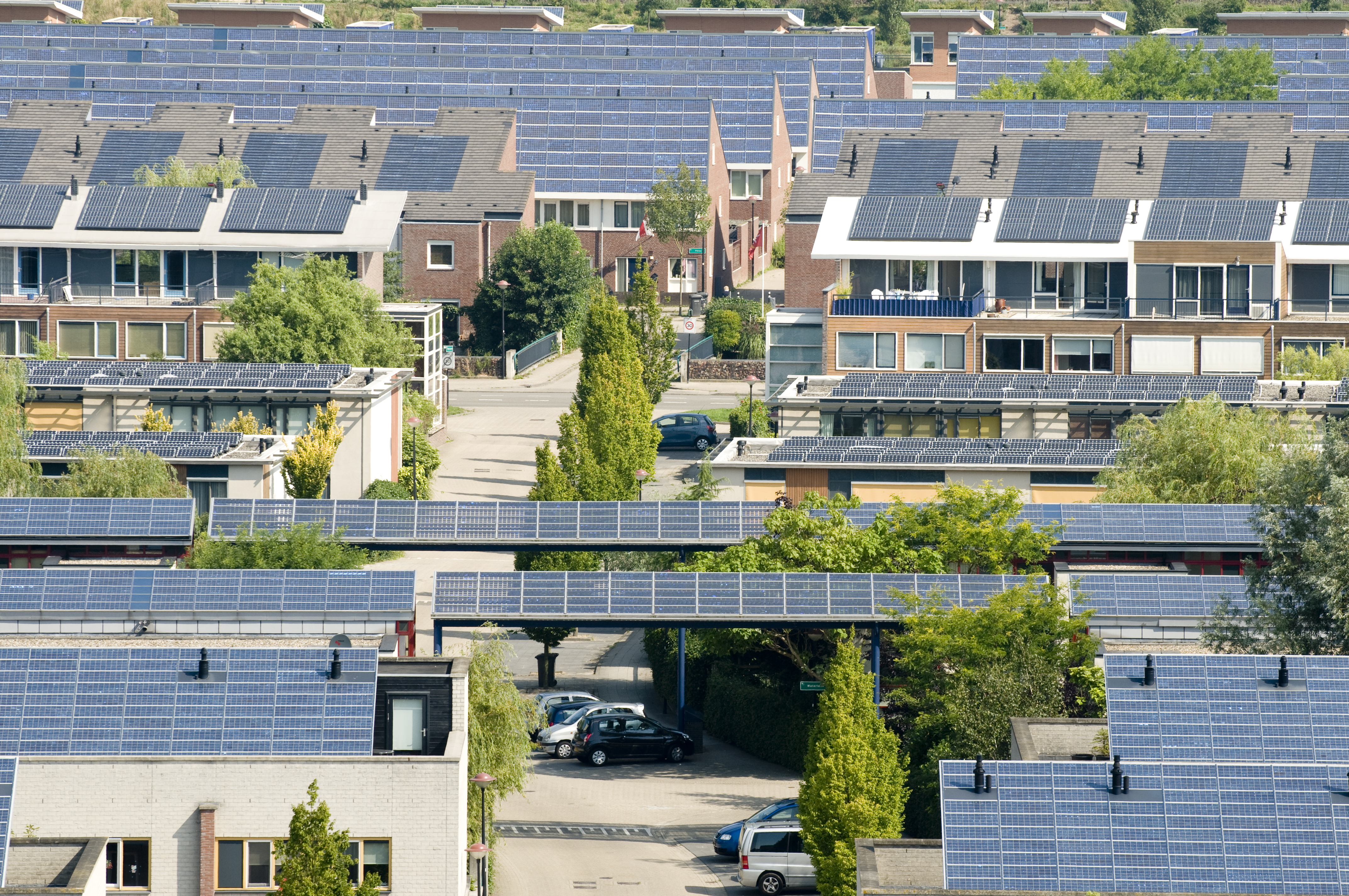
One example that illustrates both the benefits and challenges of the digital energy transition, is the increase in the installation of solar panels on individual homes or businesses.
Producing your own energy from clean technologies such as solar panels is becoming more popular and accessible as the cost of these technologies decrease. However, the possibility to invest for longer-term benefit (for example, by installing your own solar panels or heat pump) may only be open to a limited number of people who can afford the initial cost of installation. Certain types of home, such as flats, might have limited opportunities for solar panel installation. If you rent your home, you may not have much control over your energy supply or supplier.
Locally produced energy, where individual businesses or homes are producing their own energy for all or part of the time, is an example of decentralised energy production. If excess energy is produced by intermittent renewables this may be stored (e.g. in a battery) or sold back to an energy company. Additional energy may need to be purchased if not enough energy is produced.
Whether our energy comes from clean technologies or from other sources, ensuring that we have a constant energy supply is a key concern for individuals, businesses and energy companies. The ability to draw on different sources of energy at different times requires energy companies to be flexible and responsive. Digital technologies support this more complex way of producing and consuming energy by providing real-time data on what electricity is needed where and when (supply and demand). Digital technologies also enable communication between people that are both producing and consuming energy (prosumers), energy companies and consumers. This ensures that we have a reliable and consistent energy supply.
Further Reflection (5 minutes)
In this week of the course, we’ve considered some of the potential – and challenges – of the digital energy transition. Thinking about your own personal and/or professional contexts, what action or activities could you take to enhance digital inclusivity?
Write down your thoughts. If you are working through the course with others you may want to discuss your own context(s) and potential activities to support digital inclusion together.
12. Conclusion

There are many benefits to the digitalisation of energy. Digital technologies can provide insights into our own behaviour and enable us to make meaningful changes, reduce costs and lower carbon emissions. The digitalisation of energy also enables us to use different types of energy more effectively and ensures a constant energy supply to our homes and work.
Digital technologies can also benefit businesses and governments by providing real time insights and supporting efficient energy production and consumption. As we transition to more sustainable sources of energy, digital technologies and digital services offer the potential for energy systems to be more connected, intelligent, efficient, reliable and sustainable.
However, although there are many benefits to the digitalisation of energy, there are also a range of issues that need to be addressed, including the cost, availability and the perception of digital technologies. Addressing these challenges and ensuring that everyone can engage and be part of the digital energy transition is essential to its success.
13. Further Resources
- Chambers, J., Robinson, C. & Scott, M. (2022) Digital Inclusion in the energy system: how do we ensure the opportunities and benefits of digitalisation can be accessed by everyone? Policy Bristol / University of Bristol.
- European Commission (n.d.) Digitalisation of the energy system. European Commission.
- International Energy Agency (IEA) (26 October 2017) Digitization and Energy: A new era in energy?
- International Energy Agency (IEA) (n.d.) Energy Security.
- International Energy Agency (IEA) (n.d.) Analysing the impacts of Russia’s invasion of Ukraine on energy markets and energy security: Russia’s war on Ukraine.
- Rozite, V., Miller, J. & Oh, S. (November 2023) Why AI and energy are the new power couple. International Energy Agency (IEA).
Go to 2) Supporting the Digital Energy Transition: Your Career.