A Deeper Look at Electricity Markets
| Site: | OpenLearn Create |
| Course: | Get Set for Success: Digital Energy Basics |
| Book: | A Deeper Look at Electricity Markets |
| Printed by: | Guest user |
| Date: | Tuesday, 22 September 2026, 1:41 PM |
Table of contents
- 1. Welcome
- 2. Introduction
- 3. What factors influence electricity prices?
- 4. Your electricity contract
- 5. The role of digitalisation in electricity markets
- 6. Balancing our energy use
- 7. What is demand response?
- 8. Why demand response?
- 9. Some examples of demand response
- 10. Local energy markets
- 11. Conclusion
- 12. Further Resources
1. Welcome
Welcome to Week Four! This week we take a closer look at:
- How electricity markets work and why the price of electricity fluctuates.
- The role of digitalisation in electricity markets.
- Different factors impacting the price of energy.
- How digital technologies help you take advantage of reduced price or incentivised energy.
Learning outcomes
After studying this week of the course, you should be able to:
- Understand the fundamentals of how electricity markets work.
- Explain the main factors that impact on electricity prices.
- Be aware of different type of electricity contracts and their advantages and disadvantages.
- Demonstrate an understanding of what demand response is and why it’s important.
- Describe the relationship between demand response and digitalisation.
- Be aware of the different ways demand response can reduce your energy use and help save you money.
2. Introduction
Week four looks at what factors influence the cost of our energy, how electricity markets work and what you can do to reduce the cost of your energy bills. Electricity comes from three primary energy sources: fossil fuels (for example, coal, natural gas and oil), nuclear power and renewable energy sources (including solar, wind, hydro and biomass). As we move away from the use of fossil fuels for electricity generation, there is a growing emphasis on increasing production from renewable and clean technologies (such as solar, wind and hydro). This will reduce our impact on the environment and achieve sustainability goals. Increased renewable technology penetration impacts wholesale prices, volatility, and the need for flexible mechanisms like demand response.
In 2024, renewable sources provided 47% of energy produced in the European Union, compared with 46% in 2023 and 41% in 2022. This marks the first year that renewables have generated nearly half of the EU's electricity, with the fossil fuel share falling to a historic low. Increasing electricity production from clean technologies to decrease emissions is a key aspect of the digital energy transition and European policy. Digitalisation supports this through grid monitoring, flexibility platforms and consumer participation. Digital tools (e.g. smart meters, automated appliances, dynamic pricing) enable demand response in practice.
In this week of the course, we also take a closer look at the role of demand response as one way in which electricity companies manage consumer demand, and what this means for your energy bill.
3. What factors influence electricity prices?
The price of your electricity is impacted by a range of factors, including demand from consumers, generation capacity and type of technology available, the weather, and availability of power transmission and distribution capacity, etc.
The weather, for example, can impact on renewable intermittency which consequently influences short-term price volatility. Digital technologies and demand response support a more balanced and stable grid.
World events can also have an impact on the price of electricity. The war in Ukraine led to a reduction in gas supply from Russia, which impacted the availability and cost of gas, significantly raising the cost of gas-powered electricity, thereby raising overall electricity prices.
The power market is divided into wholesale and retail segments. Wholesale markets are designed to balance supply and demand efficiently. Wholesale markets support bulk trading between energy producers and businesses that supply energy to your home, such as your electricity provider. The wholesale market is directly impacted by the global energy landscape and uses economies of scale and a range of financial tools to maximise profit through predicting retail market needs. Forecasting and other tools are used to manage risk and ensure stable pricing.
Policy-making aims to protect consumers from volatility in the wholesale market. Your electricity supplier, and other retailers, are intermediaries between you and the European wholesale market.
Whether the electricity market where you are is regulated or deregulated also impacts on the type of contract available to consumers across different EU member states.
Your electricity supplier ensures a reliable supply by purchasing electricity from wholesale markets. Retailers of electricity also include a variety of additional charges to consumers, to cover electricity transportation and distribution, metering and billing.
Taxes and levies vary by country and may fund renewable energy, energy efficiency, or other government programs. Retailers manage billing, payment collection, and offer customer support. They often also provide value-added services like advice on energy efficiency and other sustainable energy practices, renewable energy options, including renewable systems such as rooftop solar panels.
Retailers also promote smart meter installation for real-time data enabling dynamic pricing (e.g. time-of-use or real-time pricing), while their digital platforms help consumers monitor energy usage and manage accounts. They support prosumers (households that both consume and produce energy by, for example, having their own solar panels or wind turbine) by buying excess power generated and integrating this into the grid. However, in all these regards, retailers must comply with national and EU regulations, ensuring consumer protection and pricing transparency. As we will see in the next section, electricity suppliers offer various pricing plans to consumers, including fixed and variable rates, to attract and retain customers.
To manage price volatility, your electricity supplier will use strategies such as advance purchasing energy based on data forecasting of consumer use. Europe’s energy markets enable customers to switch providers although the ease with which switching can be achieved varies by country and may be limited by contract conditions or local market structures.
4. Your electricity contract
There are lots of considerations when choosing an electricity contract. Let’s take a closer look at some of the advantages and disadvantages of different types of common electricity contract:
- Fixed-rate contracts provide price stability and help with budgeting. They also protect you against market fluctuations but can therefore lead to you paying higher prices if market prices drop. Fixed-rate contracts often involve long-term commitments. This type of contract offers stability and predictability in billing.
- Variable-rate contracts have limited flexibility as prices change periodically (e.g. monthly or quarterly) to reflect shifts in the wholesale electricity market and depending on the supplier’s pricing structure. Variable-rate contracts can reflect both short-term and long-term wholesale market movements. There is the potential for savings when wholesale prices fall. However, whilst there is little protection from price volatility, contracts don’t switch price often enough to benefit from the cheapest energy, and this can result in budget challenges. You can manage your electricity usage, for example by using electricity during low-price periods.
The following types of contracts utilise demand response mechanisms, with contracts providing price shift signals to encourage usage away from peak demand. This supports grid stability and reduces the need to draw on fossil-fuel-based power in periods of high energy demand:
- Time-of-use contracts offer incentives for energy conservation, with different rates based on the time of day. This type of contract can lead to cost savings but require behaviour changes (such as running or charging appliances during low-cost periods e.g. at nights or weekends) and may be complex to manage.
- Real-time pricing or dynamic pricing contracts change continuously or frequently in response to market conditions such as electricity demand and supply, weather or other events. Prices are typically declared the day before, in hourly segments.
To help you choose the best electricity tariff for your needs, you should consider your energy consumption patterns, appetite for risk and - if you are considering a flexible contract - whether you could afford any future rapid increase in the cost of energy. Digital tools (like apps or online dashboards provided by suppliers) can help users track usage patterns and assess contract suitability.
Activity: Your Electricity Contract (5 minutes)
What type of electricity contract seems most appealing to you, and why? Make a note of your preferences. If you're working with others you may want to discuss different types of electricity contract together.
5. The role of digitalisation in electricity markets
Digitalisation enables us to better understand and manage our energy consumption so that we can take advantage of off-peak rates.
Examples of digitalisation include:
- The use of digital platforms and comparison tools for easy offer comparison, online account management, and automated notifications.
- The provision of dynamic-pricing data, which typically refers to real-time or time-of-use contracts. Variable-rate contracts may not offer time-differentiated pricing.
- Smart meters that enable near-real-time usage data (e.g. 15-minute intervals).
- Digital platforms facilitate demand response programs and allow consumers with dynamic pricing contracts to use smart home integration, smart technologies and apps for real-time monitoring and cost optimisation.
Digitalisation enhances transparency and flexibility, providing information to support better decision-making and cost optimisation for all contract types. Data privacy and cybersecurity are emerging issues related to digitalisation in energy systems, especially when considering consumer trust or barriers to adoption.
6. Balancing our energy use

When lots of people use energy at specific times of the day, ensuring that our electricity supply is constant, reliable, and uninterrupted is of critical importance. Understanding when we are more likely to be using more electricity is therefore of key importance for energy suppliers. Households often use more energy during time periods when most people are returning home from work, or when large numbers of people are using similar appliances at the same time.
In the UK, a well-known example of this was when electricity providers reported a spike in electricity use during the commercial breaks in highly popular television programmes. When large numbers of people were watching a particular programme (e.g. an international football game or popular series or drama), many households would boil water for tea or coffee simultaneously during the commercial breaks. This intermittent increased pressure on the electricity grid, albeit for a short period, as hundreds of thousands of people made a hot drink, is known as TV pick-up. You can read more about this phenomenon in 9 of the biggest TV moments in electricity history.
Can you think of other examples of when a lot of people increase their energy use or use the same type of appliance simultaneously? Conversely, whilst electricity suppliers need to predict and manage our use of energy, as we move away from fossil fuels to clean technologies, they also need to support the integration of excess energy generated from household solar panels and wind turbines. With households becoming energy providers too, how can electricity grid operators and suppliers manage this additional energy effectively?
Activity: When do we use the most energy? (5 minutes)
Think about your daily routine or local events. Can you identify times in a 24-hour period when lots of people might increase their energy use simultaneously? Make a note of your ideas. If you're working with others you may want to discuss further.
Digitalisation of the energy sector enables both suppliers and consumers to better understand how and when we are using energy, and to manage this more efficiently. For example, real-time data from smart meters and IoT devices help consumers to reduce use and grid operators to optimise dispatch and stability. Digitalisation also enables automated demand response (Auto-DR), where load is adjusted without manual intervention, a key trend in modern electricity systems. This can result in cost savings and supports grid stability for electricity suppliers and operators. In the next section, we’ll take a closer look at one way electricity companies manage our energy use.
Video: A deeper look at Electricity Markets (9:45 minutes)
Download the video transcript.
This video explains how the electricity market works and why flexibility is key to the energy transition. It shows how the forward and spot markets set prices through market clearing, and how renewables make traditional demand-following impossible. It demonstrates how price signals can guide households and industries to shift consumption, reduce imbalance costs, and integrate green energy—while smart control of heat pumps, EVs, and batteries maintains comfort and prevents grid overload.
7. What is demand response?

Demand response is one way electricity companies can manage consumer energy use and provide opportunities for lower cost energy during periods of reduced demand. Demand response is voluntary and enables you to reduce or shift your energy use, primarily during periods of high prices or grid stress, in exchange for financial incentives. Digitalisation supports this process by sharing real-time information from your electricity supplier about when you could use energy for a reduced cost or another incentive.
Smart appliances and apps enable us to respond to these opportunities by allowing us, or third parties, to programme our smart appliances to turn on/off at specific times. Smart appliances support demand response through Auto-DR, where appliances respond without user input. This is a key part of scaling demand response effectively.
Digital appliances have a critical role in demand response as these enable us to use real-time information and make immediate adjustments to our own electricity consumption (e.g. choosing to reschedule our laundry cycle to an off-peak, and less costly, time). Smart appliances and apps, including smart meters also enable electricity companies to better understand how and when electricity is being consumed and to plan for times of peak use. Aggregated consumption data is used to support grid forecasting and flexibility services, not just retail planning.
8. Why demand response?
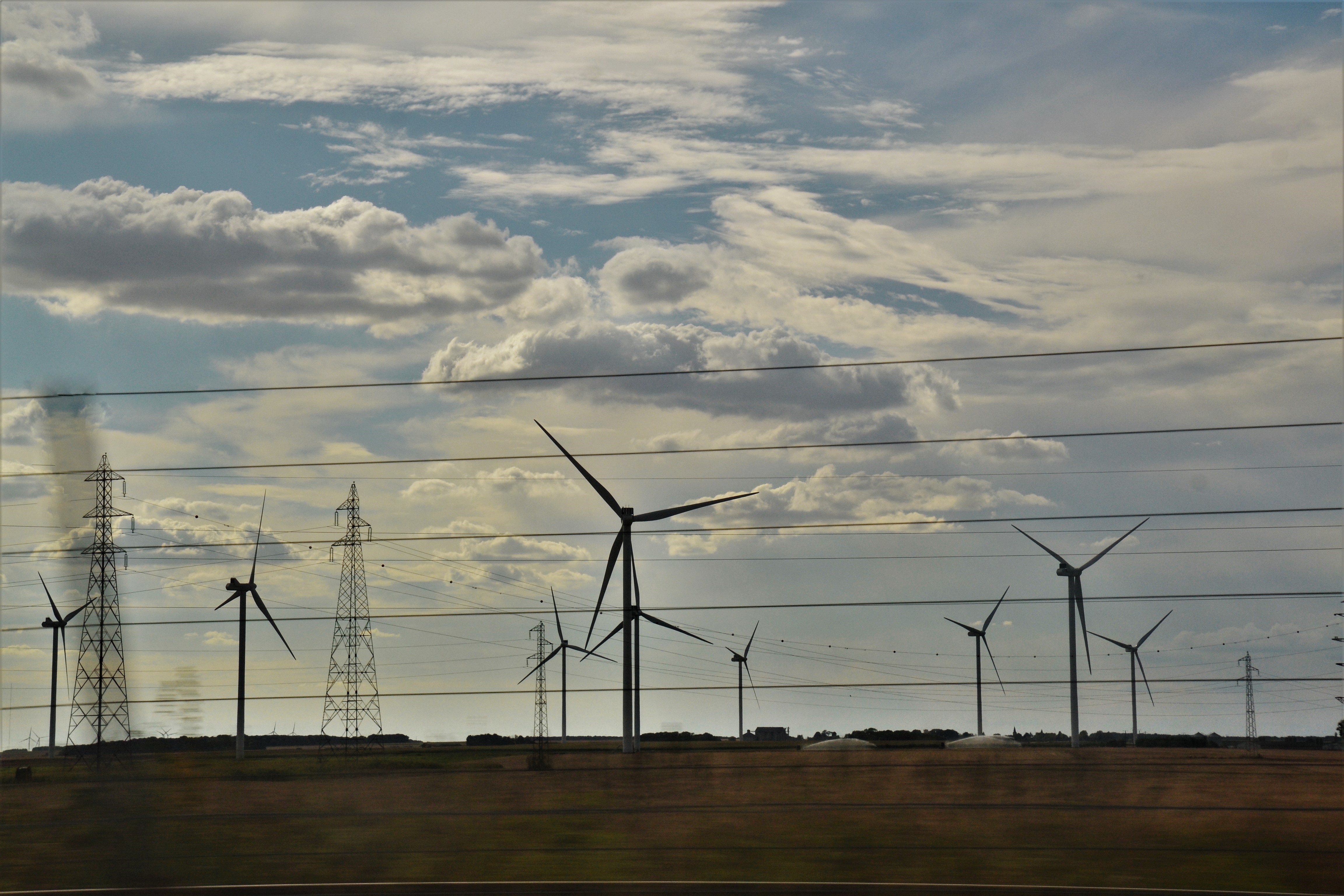
By using energy during periods where there is less demand, we are contributing to the effective management of the electricity grid. Demand for energy is increasing, and regardless of whether that energy comes from fossil fuels or clean technologies such as solar and wind, we need the infrastructure to support that increased usage.
Investing in essential infrastructure takes time and money. Whilst these upgrades are happening, demand response is one solution to support this increased demand. In April 2025, Spain and Portugal experienced a major power outage. Subsequent investigations confirmed that the blackout was caused “by technical and planning errors” in grid management, not by renewable energy sources (CNN World). An article in The Conversation Spain-Portugal blackouts: what actually happened, and what can Iberia and Europe learn from it? also explores the reasons behind the power outage.
Demand response ensures a stable and efficient electricity supply by reducing or shifting energy use during peak times. This helps prevent blackouts, can reduce energy costs, and supports the integration of renewable energy sources. As a consumer you might benefit from demand response by saving money on your electricity bills through incentives and lower rates for off-peak usage. As well as improving the reliability of the power grid, you are also supporting environmental sustainability by reducing the need for additional power plants and enabling the grid to better integrate surplus energy produced by clean domestic technologies, such as solar panels.
9. Some examples of demand response
If you’ve looked at different electricity provider offers, you will have probably seen that some of the electricity tariff examples (e.g. variable rate and time-of-use) offer opportunities for electricity users to modify their energy use and reduce energy costs.
The latest types of contracts offer detailed insights into when energy is cheaper. Digitalisation enables us to respond to these opportunities when there is a price signal or offer of cheaper energy. If you use smart appliances and apps to monitor and control your energy use, there are several different ways you could adjust your energy use and potentially save money.
These opportunities include:
- Making ongoing decisions about when to make changes to your energy use. For example, your smartphone app informs you that there is a low-cost energy period at a particular time, and you to choose to set your washing machine cycle to run, or your electric car to charge, during these hours.
- Having pre-agreed preferences for when and how you use energy. These preferences are shared with a third party, which facilitates your use of electricity and can control your smart devices as needed, to help you get the best from what your electricity supplier is offering.
By agreeing how and what smart devices a third party can control remotely, you don’t have to make constant decisions about how and when to use energy. This means that your electric vehicle could automatically charge at times when energy is cheaper, as it’s pre-programmed or re-programmed to take advantage of this opportunity.
Both of the above examples can be achieved through demand response. There are two categories of demand response:
- Implicit or price-based demand response: when you choose to use electricity during low-demand periods and subsequently lower your energy costs.
- Explicit demand response: when you receive payments from your electricity supplier to change your energy use. This can involve using less or more energy when required.
Demand response contributes to ensuring that our electricity supply is stable and that the energy that is being used, and generated, is well matched. It means that when we switch on the lights, boil a kettle or turn on a fan, even if hundreds of thousands of people are doing the same simultaneously, our electricity supply is constant and continual.
10. Local energy markets
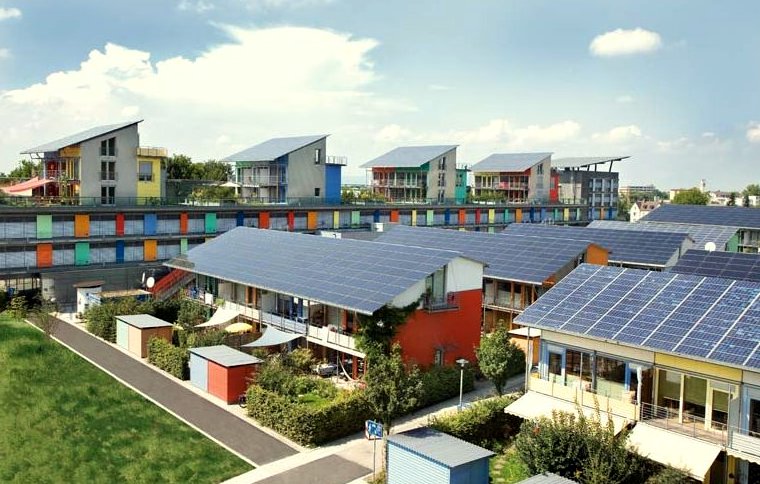
Putting people at the centre of all clean energy transitions not only improves people’s lives but is also key to successfully implementing energy and climate policies. Local energy communities, or community-based energy projects, are impacting positively at a global level by deploying renewable technologies. Community energy can provide local flexibility, reduce transmission losses, and enable decentralised balancing, especially when paired with smart technologies and demand response. Energy communities can also reduce bills and generate local jobs. The European Energy Communities Facility, launched in 2024, provides direct support for these initiatives. At the same time, these initiatives are garnering increased attention as effective vehicles towards more inclusive, equitable and resilient energy systems.
Digital platforms and tools are making it easier to set-up cooperatives, engage stakeholders, make investments and exchange electricity. An increasing number of countries are allocating significant funds to support community-based clean projects. For example, the Italian National Recovery and Resilience Plan has allocated 2.2 billion euros to support energy communities and self-consumption. However, regulatory environments (e.g. rules around metering, collective self-consumption and grid access) strongly shape the viability of energy communities, even when funding is available.
With ever-growing pressure to accelerate decarbonisation and to mitigate impacts of the energy crisis on households and businesses, community-based energy communities can help address numerous challenges faced by power systems, including losses, grid congestion and the need to accommodate growing peak demand. The digital energy transition is not only about smart technologies at home, but also about enabling collective, community-led models of participation in energy systems. We’ll take a closer look at the role of energy communities in the digital energy transition in our final week of the course Working together for a better world.
11. Conclusion
There are a range of factors to consider when choosing your electricity contract, and when and how you make use of electricity at home or work. Energy digitalisation has a critical role to play in supporting informed decision-making for both energy providers and suppliers, as well as consumers through enabling real-time monitoring, forecasting automation and market participation. Contract choice, energy use patterns and availability of digital tools (e.g. apps, automated controls or price signals) are also important factors when choosing an electricity contract.
Energy digitalisation has a critical role to play in enabling energy producers and consumers to manage how and when energy is being used. Demand response provides opportunities for us to make the most of lower cost, lower energy-use periods. Demand response also supports decarbonisation and grid flexibility, particularly in systems with a high share of variable renewables. Additional benefits of demand response include a more stable electricity grid, environmental benefits and the ability to integrate excess energy produced by household clean technologies such as solar panels and wind turbines. Local energy markets and energy communities support our move toward more inclusive, equitable and resilient energy systems. The use of digital platforms by energy communities enables prosumers and communities to actively participate through dynamic tariffs, local trading or aggregation models.
Further Reflection (5 minutes)
In this week of the course, we’ve discussed different types of electricity contracts, and the potential of different digital technologies to support our energy use. Thinking about your own context(s), did any of this week’s suggestions particularly resonate with you? What kinds of further action could you take to explore different contracts or digital technologies?
Make a note of any suggestions that resonated with you, and consider what further action you might want to take. If you're working with others you might want to discuss together.
12. Further Resources
- Find out more about Demand Response in this International Energy Association (IEA) article, which includes insights on how different countries and regions are supporting demand response in their energy digitalisation plans: https://www.iea.org/energy-system/energy-efficiency-and-demand/demand-response
- Read the news article from the European Commission on Protecting and empowering energy consumers: https://energy.ec.europa.eu/news/focus-protecting-and-empowering-energy-consumers-2024-06-18_en
- Read the news article in the UK’s The Guardian newspaper Is Europe’s energy crisis over? Falling gas prices conceal wider problems https://www.theguardian.com/business/2024/apr/04/is-europes-energy-crisis-over-falling-gas-prices-conceal-wider-problems
- Find out more about Europe’s energy mix in this article from the European Union How is EU electricity produced and sold? https://www.consilium.europa.eu/en/infographics/how-is-eu-electricity-produced-and-sold/#:~:text=In%202022%2C%2039.4%25%20of%20electricity,Coal%3A%2015.8%25
- Read the International Energy Agency’s (IEA) 2024 report Managing the Seasonal Variability of Electricity Demand and Supply. https://www.iea.org/reports/managing-the-seasonal-variability-of-electricity-demand-and-supply
Go to 5) Working together for a better world.