Working Together for a Better World
| Site: | OpenLearn Create |
| Course: | Get Set for Success: Digital Energy Basics |
| Book: | Working Together for a Better World |
| Printed by: | Guest user |
| Date: | Tuesday, 22 September 2026, 1:41 PM |
Table of contents
- 1. Welcome
- 2. Introduction
- 3. What is an energy community?
- 4. Energy communities within the European context
- 5. Energy community trends
- 6. Benefits of an energy community
- 7. Energy community examples: Elektrizitätswerke Hindelang (Germany)
- 8. Energy community examples: Hyperion (Greece)
- 9. Conclusion
- 10. Further Resources
1. Welcome
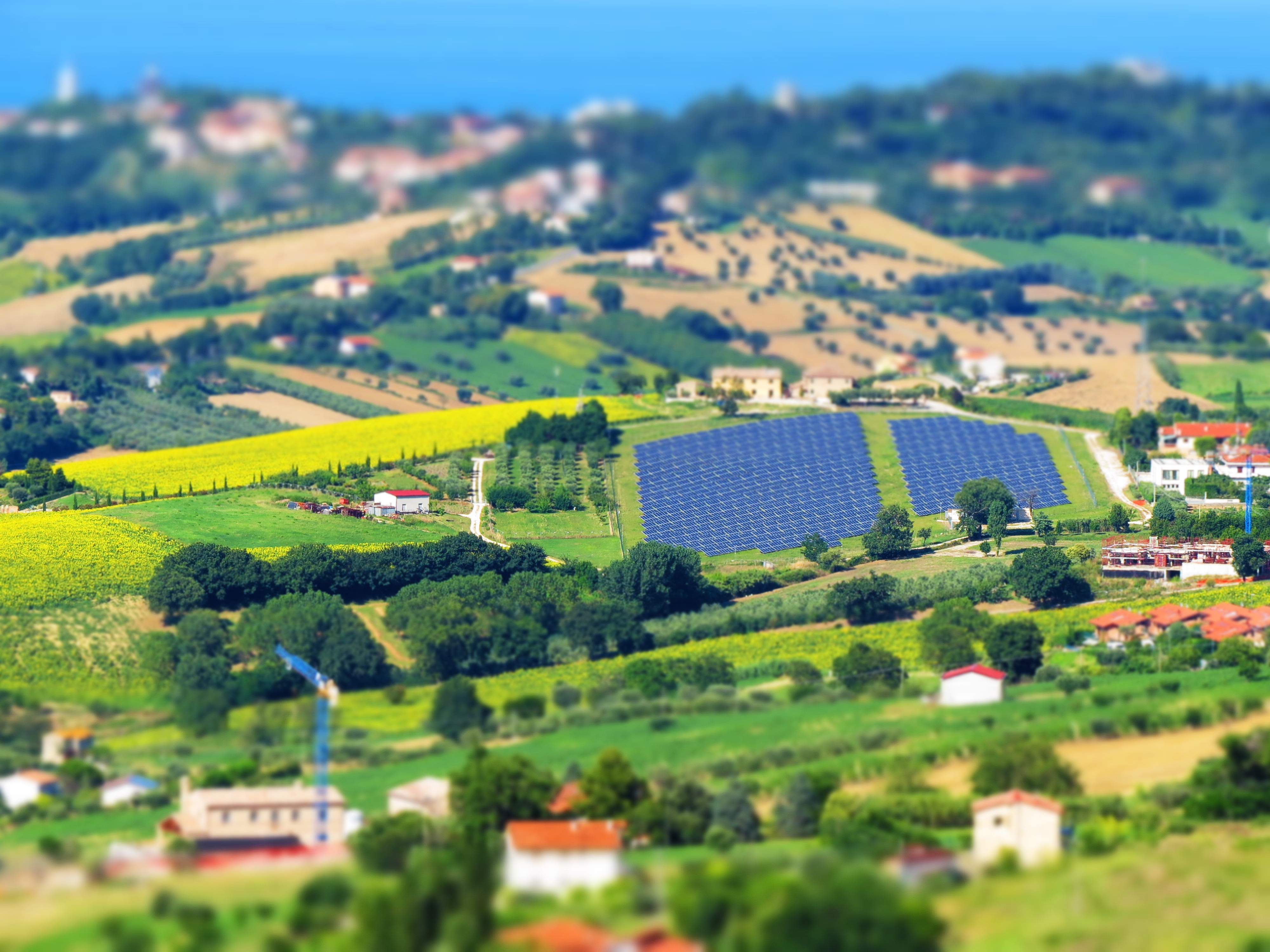
Welcome to Week Five! In the final week of the course, we take a closer look at local energy markets and explore:
- What an energy community is and why they are important.
- The benefits of being a member of an energy community.
Learning outcomes
After studying this week of the course, you should be able to:
- Explain what an energy community is and their role in Europe’s digital energy transition.
- Understand the benefits of an energy community for both individuals and the wider community.
2. Introduction
Energy communities are local initiatives that can help everyone engage with the digital energy transition. In this week of the course, we take a closer look at what energy communities are and what their role is within the European digital energy transition.
We look at why you might want to get involved and join an energy community. You might want to save money, are interested in connecting with others interested in the same topics or be an energy prosumer (e.g. be both a consumer and producer of energy). Within your profession, you might work directly with energy communities or be interested in engaging with their membership as part of your outreach activities.
3. What is an energy community?
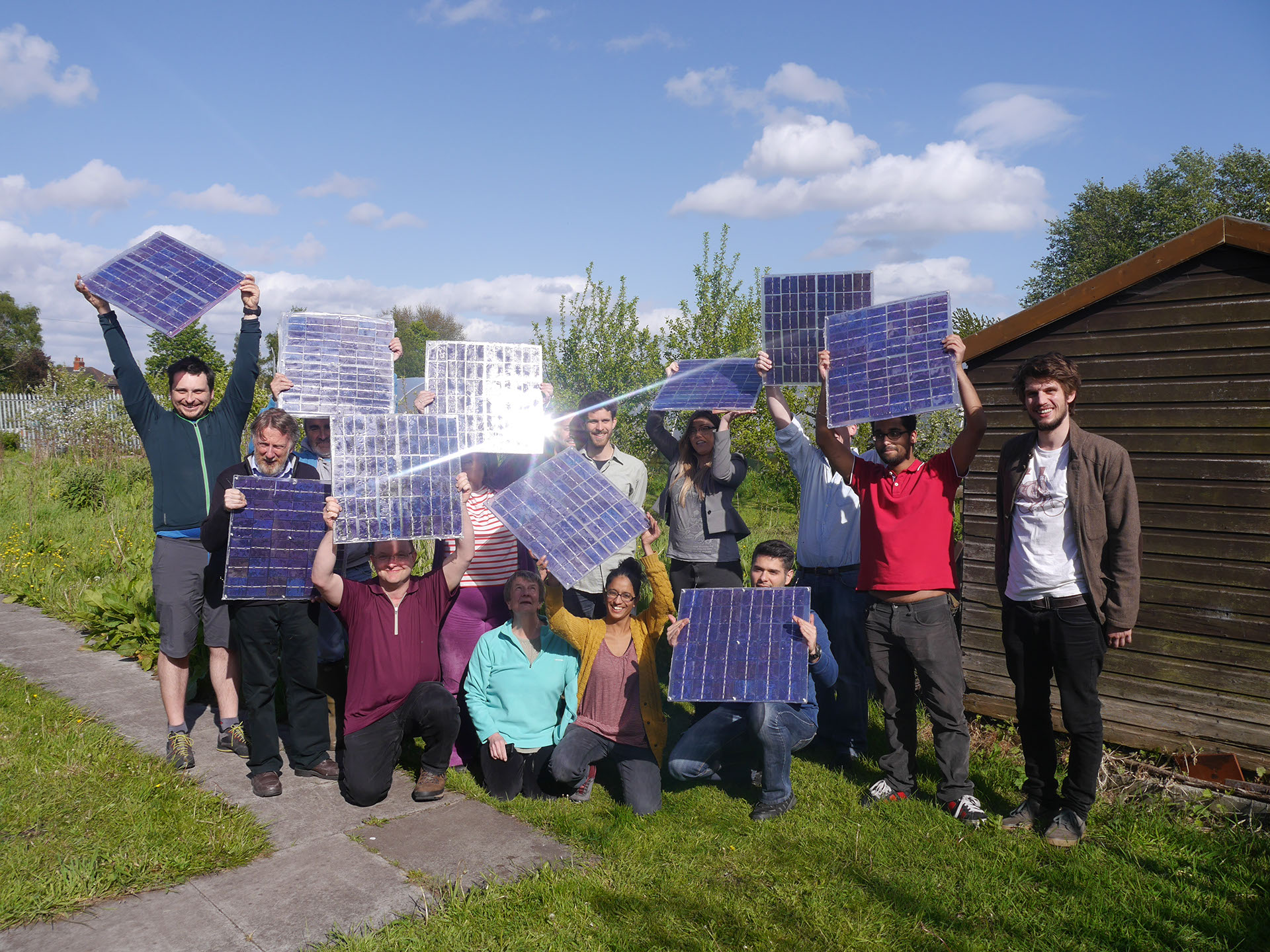
In this article In focus: Energy communities to transform the EU’s energy system energy communities are described as “legal entities that empower citizens, small businesses and local authorities to produce, manage and consume their own energy.
Anyone can become involved in an energy community. Energy communities can also take different forms, depending on their members’ needs. For example, some energy communities might focus on the production of energy, whilst others might focus on the storage or distribution of energy. There are a range of different energy-related services that might also be provided to energy community members.
Across Europe, there are three common models for energy communities. These models can be described as follows:
- Direct agreement with an electricity generator (rather than electricity supplier, which usually provides household electricity supplies) which enables the energy community to buy energy directly and in bulk. These are sometimes called Power Purchase Agreements (PPA).
- Using membership fees to fund the production of energy by providing financial support for production installations.
- Linking energy consumers and producers in the same region so that individual households can buy and sell energy, according to their national legislation.
Different models may also be combined depending on member needs. Under EU law, energy communities can take the form of any legal entity including an association, a cooperative, a partnership, a non-profit organisation or a limited liability company.
Digitalisation enables and supports energy communities. For example, digital technologies have an important role to play in managing the buying and selling of energy generated by renewables such as household solar panels.
National legislation is also key to determining what form an energy community can take.
4. Energy communities within the European context
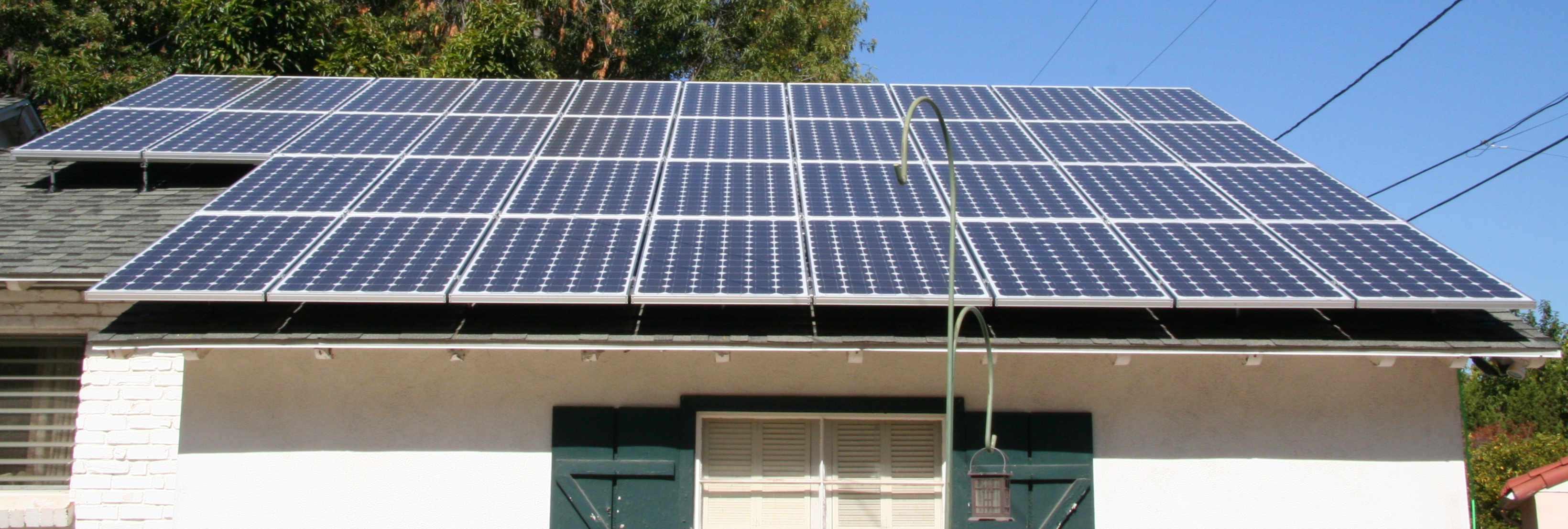
The article In focus… reports that “…as much as 83% of all EU households could contribute to renewable energy production, demand response and/or energy storage in 2050.” As seen in the last section, energy communities can empower individuals and households to be involved in different aspects of energy production. Consequently, energy communities have a specific and important role in the European digital energy transition.
There are a range of European directives that support energy communities across the bloc. Central to these is The Clean Energy for all Europeans package from 2019 which gives consumers the right to choose and take energy supply, production and storage into their own hands, either individually as prosumers, or collectively through energy communities. Building upon these rights, the energy community concept was further refined by 2018 The Renewable Energy Directive which defined 'Renewable Energy Community' (REC) and by the 2019 Internal Electricity Market Directive which defined the 'Citizen Energy Community' (CEC), and which set a regulatory framework for citizen energy communities and for renewable energy communities in the EU. You can explore the differences between REC and SEC in different European countries in the RESCOOP project’s Transposition tracker.
In May 2022 the European Commission launched its REPowerEU Plan which aims to reduce reliance on fossil fuels from Russia. As part of this initiative the EU aims to achieve one energy community per municipality with a population of more than 10,000 by 2025.
Beyond the existing EU legal framework defining and supporting energy communities, the European Commission set up two initiatives in 2022, which aim to contribute to the dissemination of best practices and provide technical assistance for the development of energy community initiatives across the EU. These initiatives are working closely together, with internal transfers of communities being possible depending on their needs.
- The Energy Communities Repository assisted local actors – including citizens, local authorities, and businesses – with setting up and advancing clean energy projects driven by energy communities in urban areas across Europe. This initiative will provide different forms of support to at least 150 energy communities, mainly through data collection and analysis and technical assistance.
- The Rural Energy Community Advisory Hub aims to accelerate the development of sustainable energy community projects in the EU’s rural areas. Its main objective is to identify best practices and provide technical assistance and networking opportunities to support local authorities, businesses, farmers and citizens in setting up their own rural energy communities. With specific technical and financial support, these communities can improve energy security and bring economic benefits and employment opportunities to rural areas.
Building on their success, and as noted in week four, the Commission launched the European Energy Communities Facility in September 2024. This new project, running until 2028, consolidates the work of its predecessors and will distribute grants to at least 140 energy communities to help them develop robust business and investment plans. European funding also supports initiatives such as the Energy Community Platform, which provides practical support and networking opportunities for people setting up energy communities.
You can read more on the European Commission’s support for renewable energy, reducing the cost of energy and ensuring energy security in Electricity market design.
5. Energy community trends
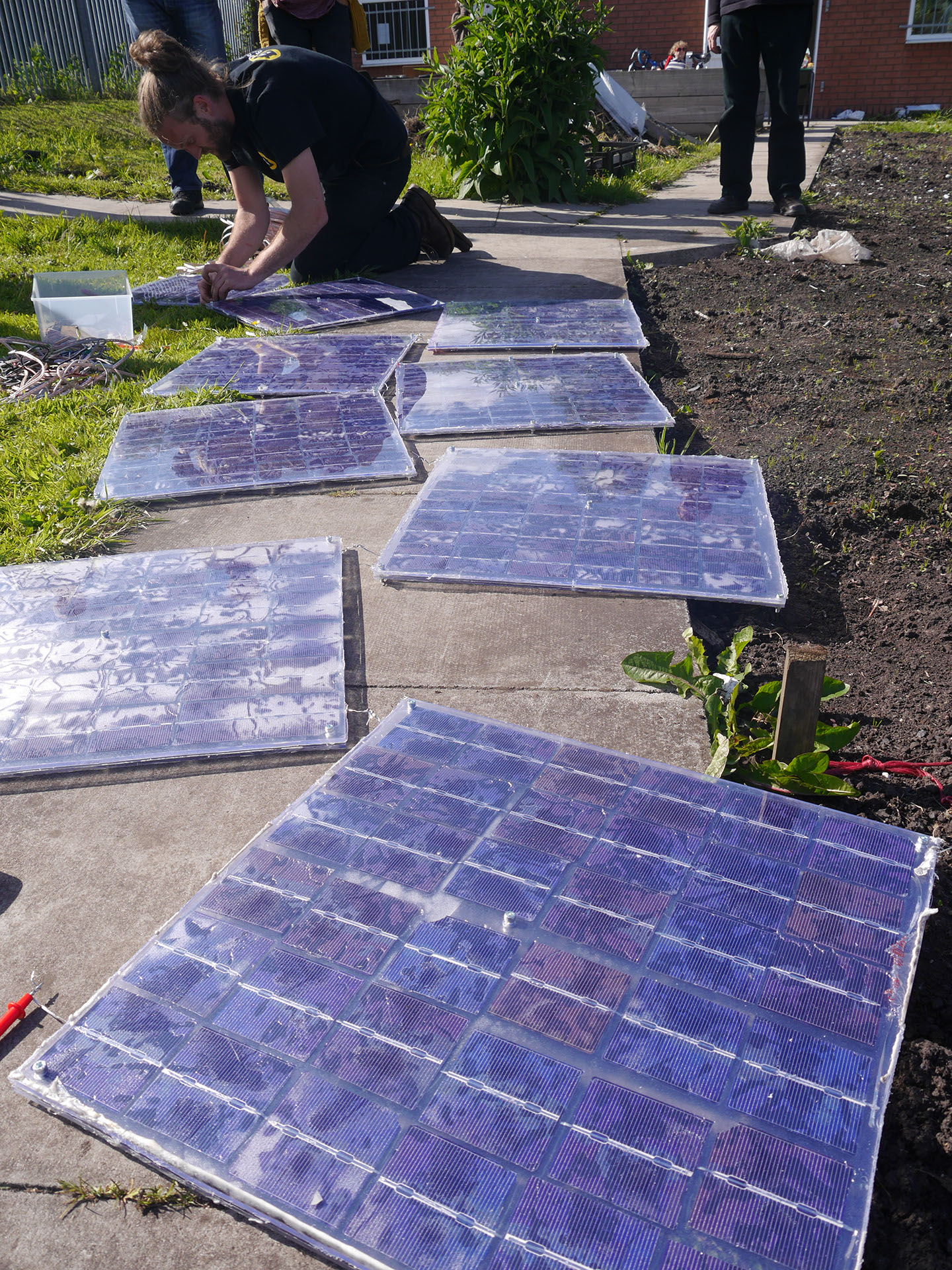
Energy communities in the EU provide citizens, businesses and local authorities an opportunity to actively contribute to climate change mitigation and to the transition to a renewable, resilient energy system. As at early 2024 there were more than 9000 energy communities in operation across the EU. As they are often financed by local authorities, small businesses or citizens, and run by citizen volunteers, energy communities are faced with a lack of time and resources to develop, implement, operate and expand their energy projects. These issues lead to a variety of barriers, such as burdensome and complex administrative registration, obtaining permits, grid access and licensing procedures. Public and technical support and funding opportunities are equally important to remove barriers to their development.
In the face of current and future energy price shocks, energy communities are well-equipped to ensure access to affordable clean energy for consumers, whether it is through supporting members to become prosumers or by shifting or reducing demand at times of energy price peaks, imbalances or congestion issues. Under the impulse of empowered consumers, energy-sharing or collective self-consumption can become an economically viable solution to circumvent gas wholesale market prices and facilitate access to low-cost renewables, but energy communities should be connected to optimise grid capacity and avoid local congestion.
Energy communities will play a prominent role in spreading renewable energy technologies across the EU and will therefore contribute to the EU’s renewable energy production targets and to its decarbonisation objectives. Moreover, they have the potential to empower consumers and put communities at the heart of the energy transition, creating economic resilience through local revenue streams, reinvesting benefits into the community and reinforcing solidarity among its members.
6. Benefits of an energy community
In energy communities, citizens can access low-cost renewable energy by taking ownership of production installations, as well as access information on how to increase energy efficiency in their households. Reliable and up-to-date information on energy efficiency can help you to better understand and control your energy usage and bills while keeping individual investments affordable.
At a local level, energy communities can contribute to the creation of job opportunities and enhance social cohesion through annual general assemblies and local activities. Energy communities can also contribute to increasing public acceptance of renewable energy projects and make it easier to attract private investments in the clean energy transition.
Energy communities can be an effective means of re-structuring our energy systems through:
- Empowering citizens to drive the energy transition locally and directly benefit from better energy efficiency.
- Lowering bills.
- Reducing energy poverty.
- Providing more local green job opportunities.
- Supporting balancing the grid, which mitigates against blackouts.
Energy communities empower local communities to join forces and invest in clean energy. As noted earlier, acting as a single entity means energy communities can access all suitable energy markets on a level-playing field with other market actors.
You can also read more about the benefits of energy communities, and some inspiring examples from the UK, in this CPRE article 10 reasons why we love community energy – for people and planet. You can also find out more about initiatives to raise awareness of energy communities in How energy communities could help Europe reduce energy poverty.
Video: The Benefits of Joining an Energy Community (7:25 minutes)
Download the video transcript.
This video explains how energy communities empower citizens, lower bills and speed up Europe’s digital energy transition. This 7-minute explainer defines Renewable Energy Communities (RECs) and Citizen Energy Communities (CECs), outlines benefits—cost savings, local renewables uptake, jobs, resilience and energy justice—and showcases two European case studies: Elektrizitätswerke Hindelang eG (Germany) and Hyperion Energy Community (Greece). Learn how smart meters, local generation and democratic governance turn consumers into cocreators of clean, affordable energy.
7. Energy community examples: Elektrizitätswerke Hindelang (Germany)
As we saw earlier, there are different energy community models. Let’s take a closer look at two examples of energy communities in Europe: Elektrizitätswerke Hindelang (EWH) in Germany and Hyperion in Greece.
Elektrizitätswerke Hindelang (Germany)
In Bad Hindelang, southern Germany, the Elektrizitätswerke Hindelang (EWH) energy community is citizen-led and driven by energy democracy principles through its cooperative model. EWH provides electricity and consulting services to approximately 5,200 residents.
EWH is one of the oldest energy communities in Europe. The cooperative's roots stretch back to 1923 when, faced with a lack of access to the national grid, Bad Hindelang residents established their own independent energy infrastructure. Driven by a shared vision of self-sufficiency and local empowerment, this endeavour culminated in the construction of a hydropower facility that has been in operation since 1926.
Today, EWH thrives as a cooperative with 330 members, providing both essential services and embodying the principles of energy citizenship. This ethos emphasises active participation, shared ownership, and a deep connection between the community and its energy system. EWH's legacy of community-led action and democratic decision-making continues to shape its unique model, fostering a strong sense of local ownership and deep engagement among its members. EWH impact reaches far beyond the immediate membership of the energy community through, for example, supporting tourism in the village.
- You can find out more about EWH in this Every1 case study: Empowering Citizens Through Energy: The Hindelang Cooperative Case Study.
8. Energy community examples: Hyperion (Greece)
Hyperion (Greece)
The energy community movement in Greece is still in its nascent stages but steadily gaining traction. As of April 2025, there were more than 1700 registered energy communities in Greece. However, fully operational collective, citizen-led projects remain in a minority. This discrepancy is due to an initial surge of initiatives claiming to be energy communities before the legislation was fully established, leading to exploitation by private investors seeking to profit from favourable provisions (see Integrating energy communities into sector coupling).
Despite the challenges, the energy community movement in Greece is evolving, maturing, and professionalising. Hyperion is one example of this evolution. Established in 2019, Hyperion has approximately 120 members and is one of the pioneering community energy projects in Greece, demonstrating the potential of citizen-led initiatives to drive the energy transition.
Hyperion's flagship project is a 500-kilowatt peak (kWp) solar park in Corinth. As at 2025 Hyperion had 113 members and 285 beneficiaries in Athens. This initiative underscores the community's commitment to harnessing renewable energy sources to provide clean and affordable electricity to its members. The decision to utilise solar energy was based on its cost-effectiveness, the relative ease of navigating the permitting process in Greece, and the country's abundant solar generation potential.
Hyperion's solar energy initiatives, its focus on community engagement and digital inclusion, and its commitment to social responsibility resonate with the EU's vision for a just and inclusive energy transition. Hyperion are committed to social inclusion through its provision of free electricity to nine vulnerable households, a social kitchen, and a migrant cultural centre. This initiative highlights the community's dedication to ensuring that the benefits of clean energy reach those who need it most.
However, challenges remain. Bureaucratic barriers, grid capacity limitations, and reliance on electricity suppliers for energy distribution pose significant hurdles to the establishment and operation of energy communities in Greece.
- You can find out more about Hyperion in this Every1 case study.
- You can also read more about Greek energy communities in Energy communities in Greece surpass 1 GW in installed capacity.
Activity: My Energy Community (10 minutes)
Imagine you’re starting an energy community in your town or region. Based on what you’ve learned this week, what would be your primary focus (e.g. solar production, energy efficiency, peer-to-peer trading) and why? What kind of local partners would you seek out (e.g. local government, businesses, other citizens)? What would be the biggest challenge you anticipate?
Write down your ideas. If you are working through the course with others you may like to discuss your different ideas, or brainstorm a possible energy community together.
9. Conclusion
Energy communities support an increase in clean technologies, enable individual households to engage in the digital energy transition and empower communities. They have a central role to play in Europe’s digital energy transition and have the potential to involve large numbers of individuals and households across Europe.
As the number of energy communities grow across Europe, even if you’re not able to join an energy community, it is likely that you will need to engage with their members as part of your job. The ability to connect, collaborate and communicate with others is therefore an important skill for this type of activity and outreach.
Further Reflection (5 minutes)
Do you feel inspired by the potential of energy communities? Perhaps you’re already involved in an energy community or aware of this type of local energy market where you live? Think back to the importance of inclusion in week one of the course. How might we make energy communities more visible, accessible and open to everyone?
Write down your ideas, experiences and thoughts. If you’re working with others, you could discuss these together.
10. Further Resources
- You can find out more about the energy communities elsewhere in the world in this International Energy Agency article Bottom-up energy transitions: Managing the rise of energy communities in Latin America.
- Review some European Commission reports, key figures and examples of Energy Communities in Europe in Energy Communities Repository products.
- Read Clean Air Task Force’s report: Clean Energy from the Ground Up: Energy Communities in the European Union. https://www.catf.us/resource/clean-energy-ground-up-energy-communities-european-union/
- Review Every1 learning materials on energy communities: https://every1.energy/knowledge-hub
- Take a deeper look at different types of energy community in this academic article by Koltunov, M., Pezzutto, S., Bisello, A., Lettner, G., Hiesl, A. van Sark, W., Louwen, A. & Wilczynski, E. (2023) Mapping of Energy Communities in Europe: Status Quo and Review of Existing Classifications Sustainability, 15, 8201.
- Read this European Commission blog post Energy communities should be part of the green (re)industrialisation debate.
- Community Energy England have some useful resources in Our How To section for all things community energy.
Go to Final Thoughts.