Lesson 2.1: Moral Panic & Media Narratives
| Site: | OpenLearn Create |
| Course: | Solidarity and Struggle: Resisting Anti-Gender Politics |
| Book: | Lesson 2.1: Moral Panic & Media Narratives |
| Printed by: | Guest user |
| Date: | Tuesday, 6 October 2026, 12:23 AM |
Description
In this topic, you will explore how ‘anti-gender’ actors use media to generate fear and outrage around changing norms of gender and sexuality. You’ll learn how emotional tactics - such as sensational headlines, decontextualised images, and alarmist language - frame feminism, LGBTQ+ rights, and reproductive rights as the existential threats to traditional family, nation, or morality. You’ll analyse how these tactics create ‘moral panic’ and mobilise support for restrictive policies under the guise of protecting children, families, or cultural identity.
1. What is 'moral panic' and why it matters?
2. Case Study: United Kingdom

‘The trans debate’ as moral crisis
Within the timeframe of the RESIST research, moral panic in the UK has crystallised most visibly around trans rights. According to the RESIST Mapping Report (pp. 229–231, 253–258), mainstream and right-wing media have repeatedly portrayed trans people as threats to women’s safety, freedom of speech, and children’s well-being.

These stories often rely on sensational language and emotionally charged imagery rather than factual evidence, reinforcing the idea that trans inclusion constitutes a cultural danger.
Media actors such as GB News and The Telegraph play a central role in intensifying these narratives. They frequently feature alarmist opinion pieces and ‘both-sides’ debates that claim neutrality while legitimising discriminatory positions. Commentators repeatedly cite ‘detransitioners’ as cautionary examples, using isolated cases to question the legitimacy of trans identities and the ethics of medical care.
| The result is a recurring moral crisis in which trans visibility is reframed as a public threat. Rather than fostering dialogue, these narratives cultivate fear, erode empathy, and provide rhetorical cover for restrictive policies and funding cuts affecting trans communities. |
| For more details see: |
| The RESIST Project Report. National and Transnational Reports on the Formation of Anti-Gender Politics (pp. 229–231, 236–239, 253–256, 282–292) |
2.1. The UK ‘Toilet debate’
 This case offers a window into how media, law, and public discourse intertwine to shape perceptions of gender and inclusion.
Context
In April 2025, the UK Supreme Court delivered a landmark judgment in For Women Scotland v The Scottish Ministers, clarifying the interpretation of ‘sex’ within the Equality Act 2010 (EA 2010).
The ruling stated that the legal definitions of ‘man,’ ‘woman,’ and ‘sex’ refer to biological sex assigned at birth. While the Gender Recognition Act 2004 allows trans individuals to obtain a Gender Recognition Certificate (GRC), this certificate does not change one’s biological sex under the Equality Act 2010. The judgment maintained that trans people remain protected under provisions concerning gender reassignment, but it effectively narrowed the legal understanding of sex.
Key points of the ruling
|
Media framing and “toilet hysteria”
This ruling reignited what many commentators describe as the UK’s ‘toilet debate’ - a media-fuelled panic over trans people’s access to public restrooms. The focus on bathrooms reflects broader anxieties about safety, gender boundaries, and the visibility of trans bodies in public life.
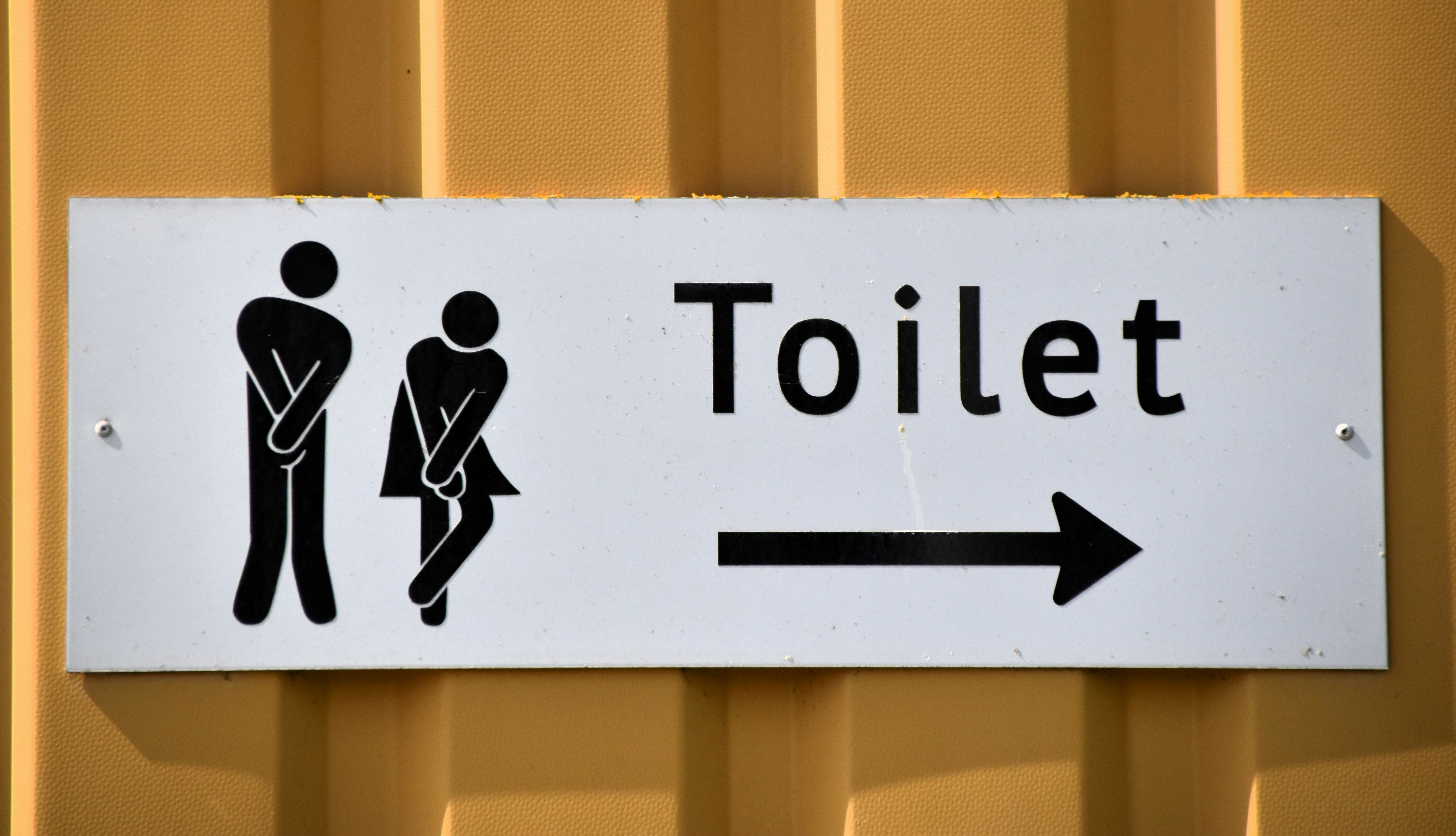 Photo by Waldemar Brandt on Unsplash.
2.2. Analysing media narratives on trans rights
 Analysing media narratives - The UK ‘Toilet debate’
Video illustration: UK Bathroom Ban Debate (BBC News, 2024)
Your task
Find a diverse selection of online articles or short videos that pertain to transgender rights and visibility in the UK, specifically engaging with the ‘toilet debate’ in the context of the 2025 Supreme Court ruling.
Aim to include media outlets that represent a range of tones and ideological affiliations, such as left-wing perspectives, queer-feminist viewpoints, mainstream neoliberal outlets, right-wing commentary, religiously-oriented media, etc. As you engage with these materials, consider the target audience for each outlet and how this shapes their coverage of transgender issues. Reflect on the following questions:
● What arguments are commonly used to support and oppose the idea of allowing transgender individuals to use facilities that align with their gender identity?
● Why do you think the ‘toilet debate’ has garnered so much media attention?
● What underlying societal issues might this reflect?
How do you think discussions about toilet access and trans rights can be steered toward more pressing issues concerning the safety and rights of transgender individuals? |
3. Case Study: Hungary
 In Hungary, the government and pro-government media have played a central role in constructing and amplifying ‘anti-gender’ discourses. Framing ‘gender ideology’ as both a moral threat to children and an external ideological invasion, media outlets closely aligned with the ruling party Fidesz have helped normalise a narrative of cultural siege.
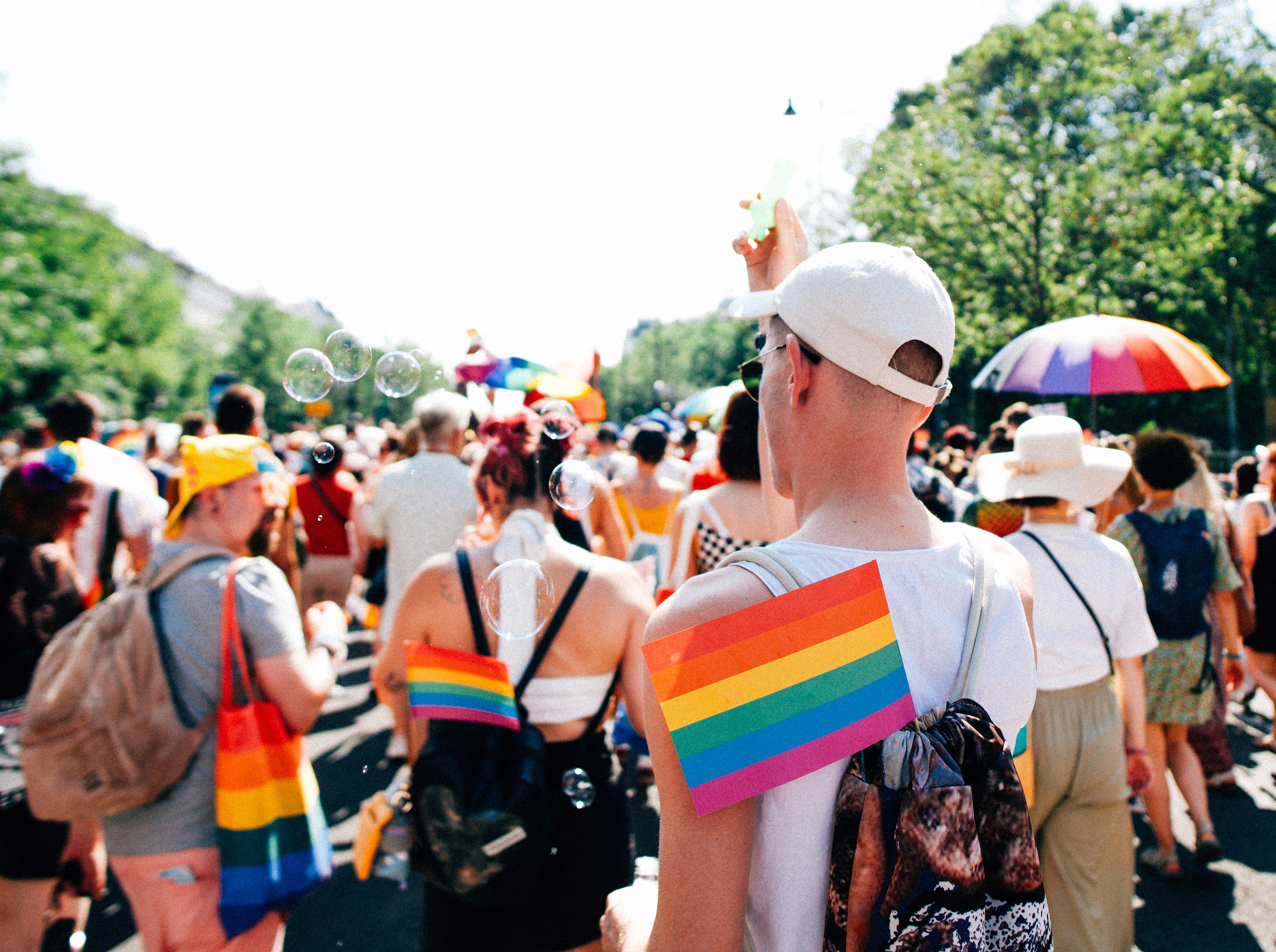
Photo by Christian Lue on Unsplash
3.1. Anti-gender tactics in Hungary

The 2021 Child Protection LawAt the centre of this strategy is the 2021 Child Protection Law, which restricts the ‘portrayal or promotion’ of LGBTQ+ identities to minors in education, advertising, and entertainment. This law — still in force in 2025 — has been justified as a measure to ‘defend families’ and ‘protect children,’ but in practice it conflates LGBTIQ+ visibility with moral corruption or paedophilia. It has prompted ongoing legal disputes with the European Commission, which considers it discriminatory under EU law. |
|
‘Books in Foil’ and Cultural SignallingA striking symbol of this policy’s reach is the so-called ‘books in foil’ rule, requiring shops to wrap LGBTQ+-inclusive books in plastic and label them as ‘unsuitable for minors’. Enforcement has been inconsistent, but the rule remains a powerful cultural signal. Government-aligned tabloids and broadcasters have promoted these measures with headlines warning of ‘rainbow propaganda in schools,’ encouraging suspicion toward teachers, libraries, and NGOs. As the RESIST Mapping report shows (pp. 167–172) topics such as ‘Rainbow propaganda in our schools’ and ‘Soros’ gender lobby targets children’ became recurring headlines across Hungarian media, reinforcing the sense of national siege. |
Framing LGBTIQ+ Rights as Foreign Ideological ThreatsMedia campaigns further depict LGBTIQ+ rights and gender studies as foreign ideological tools promoted by Brussels, the United Nations, or ‘George Soros-funded NGOs,’ positioning Hungary as the moral guardian of Europe, with the media reinforcing a siege mentality: Hungary is under attack, and traditional families, Hungarian sovereignty, and Christianity must be defended at all costs. |
Media-Driven Moral Panic in HungaryIn the Hungarian context, the media does not simply report on ‘anti-gender’ politics - it produces and sustains moral panic. Through emotional framing, repetitive messaging, and binary narratives (e.g. ‘child innocence’ vs. ‘gender ideology’), pro-government outlets blur the line between information and propaganda. The result is a deeply polarised public discourse in which LGBTIQ+ visibility is rendered dangerous, and dissent is treated as treasonous. This example illustrates how moral panic functions as a communication strategy of the state. |
|
As we’ll explore further in Topic 3, these ‘child-protection’ narratives are not isolated media phenomena but part of a broader nationalist project that redefines sovereignty through moral panic.