Case study: Energy democracy challenges
| Site: | OpenLearn Create |
| Course: | Every1 case studies |
| Book: | Case study: Energy democracy challenges |
| Printed by: | Guest user |
| Date: | Tuesday, 28 July 2026, 1:00 PM |
1. Welcome
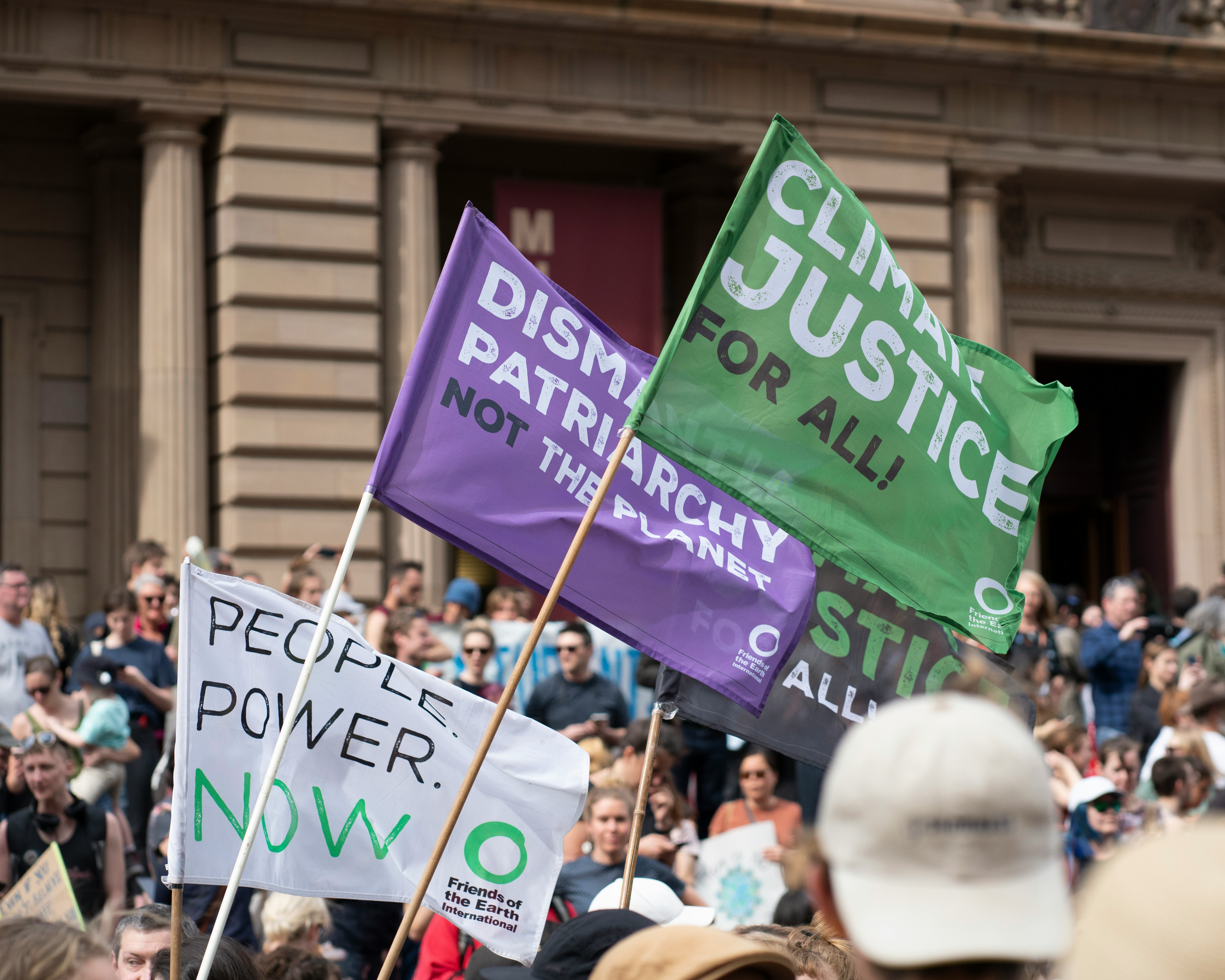
Everyone has a role to play in the digital energy transition. In Europe, as we move away from fossil fuel to renewable energy sources, there is greater potential for individuals and communities to have a say in how energy is produced, managed and shared. This is often described as energy democracy.
However, whilst there are examples of successful energy democracy initiatives - such as energy communities - there are a range of barriers and challenges that need to be addressed to ensure that all citizens feel engaged, supported and empowered in their energy choices. You may be considering:
- What community led energy initiatives look like.
- What energy democracy might mean in your context.
- The role of energy communities in facilitating energy democracy.
By reviewing this case study, you will:
- Understand what energy democracy is and why it’s important.
- Be aware of the challenges and barriers to energy democratisation.
- Develop your understanding of energy communities and their role in energy democratisation.
- Have an awareness of how barriers and challenges to energy democracy can be addressed.
Every1 case studies aim to support conversation, reflection and action on a key topic. This case study provides key facts, examples, practical advice and reflective questions.
We would love to hear your thoughts on this case study! Please complete our short survey.
2. Factsheet
Whilst energy communities can take different forms and have different aims, they all play an important role in Europe’s digital energy transition by supporting citizens' energy choices. Energy communities can also support citizens to become prosumers (e.g. both consumers and producers of energy). In this fact sheet you will:
- Explore some challenges to energy democratisation.
- Understand how the RESCHOOL project is supporting energy communities to address barriers and challenges to energy democracy.
Get inspired! Explore some resources on energy democracy:
- Find out more about The European Green Deal and EU support for energy communities.
- Explore worldwide examples of via the Energy Democracy map.
- Deepen your understanding of the history of energy democracy in Energy democracy as a process, an outcome and a goal: A conceptual review.
- Read the Green European Journal article From energy crisis to energy democracy.
- Review the Journal of European Integration paper Four pathways for energy citizenship initiatives to contribute to a more democratic European energy system.
- Consider the Green European Foundation policy brief The Future of the EU’s Energy Project.
3. Reflective Questions
Whether you are a member of an energy community or not, you may want to consider:
- What does energy democracy mean to you?
- How can we involve everyone in the conversation about energy and the digital energy transition?
- What are the main barriers and challenges for energy democracy in your country, region, town/city etc.?
- What would you consider good examples of energy democracy?
If you are an energy community member or leader, you might want to consider:
- What does energy democracy mean within the context of our energy community?
- How could our energy community better support and empower both our members and the wider community?
- Who is missing from our activities and conversations? What barriers to participation are there to joining our energy community?
- How can we support everyone to have a say in how energy is produced, managed and shared in our community?
4. Other Every1 Resources
You may find the following learning materials from Every1 useful:
- Explore the learning pathway Renewable energy and community solutions.
- Check out the learning pathway Energy communities: Joining, contributing, and governance.
- Watch the video Digital Inclusion in the Digital Energy Transition.
You can also explore our Every1 Knowledge Hub, which has more than 80 different learning materials on digital energy topics, many available in a range of European languages.
5. Acknowledgements
This case study and its components were created by the Every1 project and are licensed CC BY-SA 4.0, unless otherwise stated.
Main case study image: a group of people holding signs in front of a building by Lawrence Makoona is on an Unsplash license.
Factsheet
Icons used (aside from the Every1 logo, funded by the EU logo and related images) are used according to Canva licensing terms.
 This project has received funding from the European Union’s Horizon Programme for Research and Innovation (2021-2027) under grant agreement No 101075596. The sole responsibility for the content of this course lies with the Every1 project and does not necessarily reflect the opinion of the European Union.