Case study: Supporting the digital energy transition in your local authority or municipality: Plug and play solar panels
| Site: | OpenLearn Create |
| Course: | Every1 case studies |
| Book: | Case study: Supporting the digital energy transition in your local authority or municipality: Plug and play solar panels |
| Printed by: | Guest user |
| Date: | Tuesday, 28 July 2026, 12:55 PM |
1. Welcome
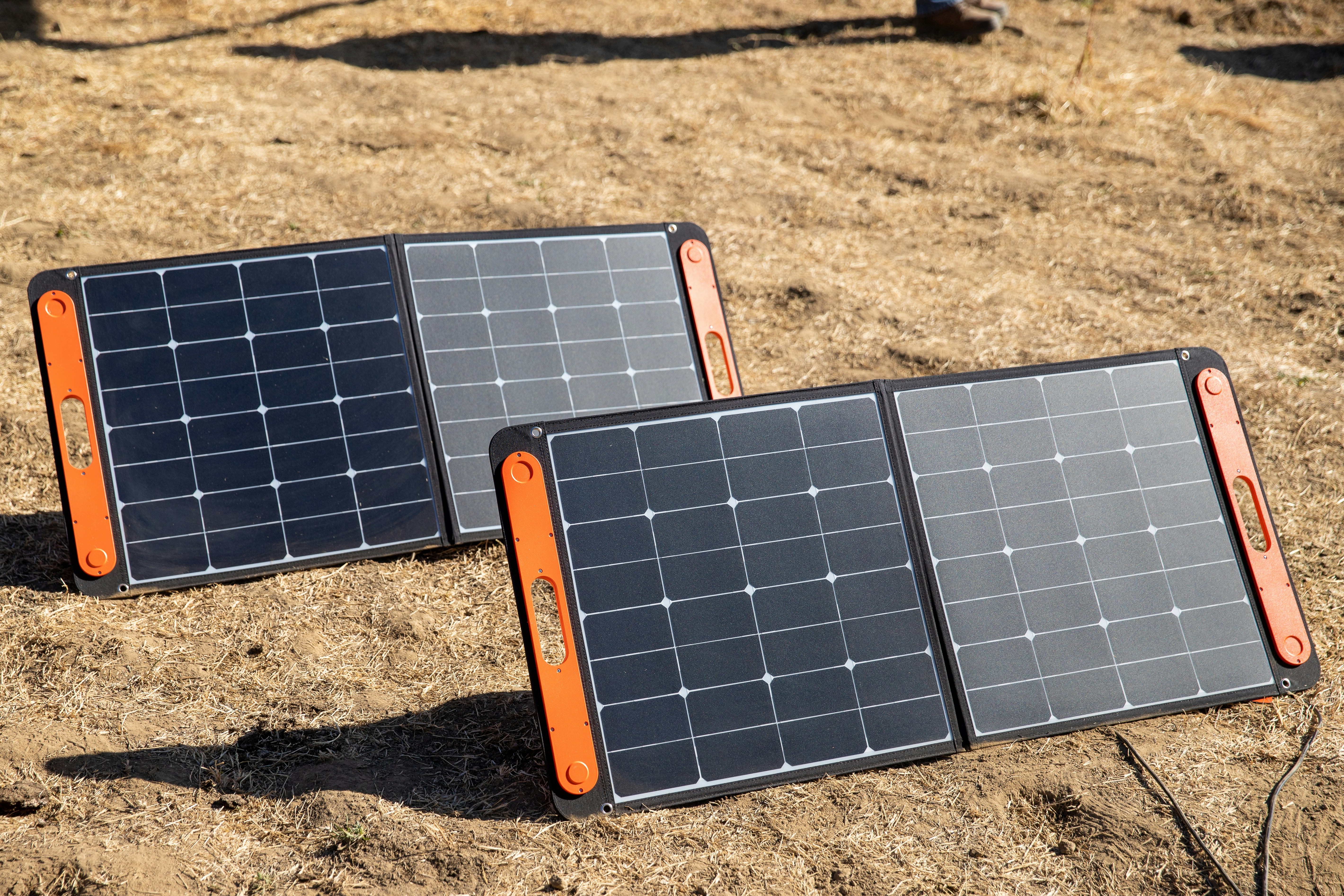
The digital energy transition is transforming the way we produce and consume energy through the use of digital technologies. The creation of more efficient, sustainable and resilient energy systems involves a shift from centralised production, distribution and consumption to more decentralised and citizen centred solutions. This case study focuses on one micro-generation solution: plug and play solar panels. You may be:
- Considering the use of plug and play solar panels.
- Exploring emerging technologies such as plug and play solar panels.
- Interested in how individuals can be involved in the production – as well as consumption – of energy and become “prosumers.”
By reviewing this case study, you will:
- Find out more about how new technologies such as plug and play solar panels could support the digital energy transition in your local authority or municipality.
- Be able to describe the benefits and barriers to plug and play solar panel use.
- Develop an understanding of the extent of European use of plug and play technologies.
Every1 case studies aim to support conversation, reflection and action on a key topic. Case studies provide key facts, examples, a short video, practical advice and reflective questions.
We would love to hear your thoughts on this case study! Please complete our short survey.
2. Factsheet
Plug and play solar panels are becoming increasingly popular across Europe, with Germany installing one million systems between 2022-2025. Policies such as VAT exemption, tax breaks and rebates for small balcony systems are supporting adoption. In this fact sheet you will:
- Find out what plug and play solar panels are.
- Explore some benefits of plug and play solar panels.
- Understand some of the barriers that need to be overcome to expand use of plug and play solar panels.
- Consider the example of plug and play solar in Belgium.
Explore some further resources on plug and play solar panels:
- Review the March 2025 Solar for all: a deep dive on a fast-emerging solar segment report.
- Read more about the European Commission’s strategy in The European Commission published its Citizens Energy Package and Clean Energy Investment Strategy.
- Find out how Germany has been leading the way in this March 2026 Euronews article Germany has become a leader in plug-in solar. What’s taking other European countries so long?
- Due to the war in Iran, in March 2026 the UK government announced that plug and play solar panels will be available nationwide later in the year.
3. Reflective Questions
If you’re considering micro-generation solutions such as plug and play solar panels you may want to consider:
- Is it legal to use plug and play solar panels? If so, are there any other regulations or rules (e.g. local building regulations) that could impact on their use and/or you need to be aware of?
- Where would you site your plug and play solar panels? If you are siting them on a balcony, for example, are there neighbour or aesthetic considerations?
- What administrative processes/procedures do you need to follow?
- How does the use of plug and play solar panels fit with wider community energy aims? Where could you go for more information and/or support?
4. Other Every1 Resources
You may find the following learning materials from Every1 useful:
- The engagement package Empowering the Energy Consumer.
- The booklet What is the digital energy transition and why does it matter?
- The 30-minute course Clean energy for households.
You can also explore our Every1 Knowledge Hub, which has more than 80 different learning materials on digital energy topics, many available in a range of European languages.
5. Acknowledgements
This case study and its components were created by the Every1 project and are licensed CC BY-SA 4.0, unless otherwise stated.
Main case study image: a couple of black and orange rectangular objects on a dirt surface is on an Unsplash license.
Factsheet
Icons used (aside from the Every1 logo, funded by the EU logo and related images) are used according to Canva licensing terms.
 This project has received funding from the European Union’s Horizon Programme for Research and Innovation (2021-2027) under grant agreement No 101075596. The sole responsibility for the content of this course lies with the Every1 project and does not necessarily reflect the opinion of the European Union.