Case study: Collaborating across the digital energy landscape: Data sharing
| Site: | OpenLearn Create |
| Course: | Every1 case studies |
| Book: | Case study: Collaborating across the digital energy landscape: Data sharing |
| Printed by: | Guest user |
| Date: | Tuesday, 28 July 2026, 12:55 PM |
1. Welcome
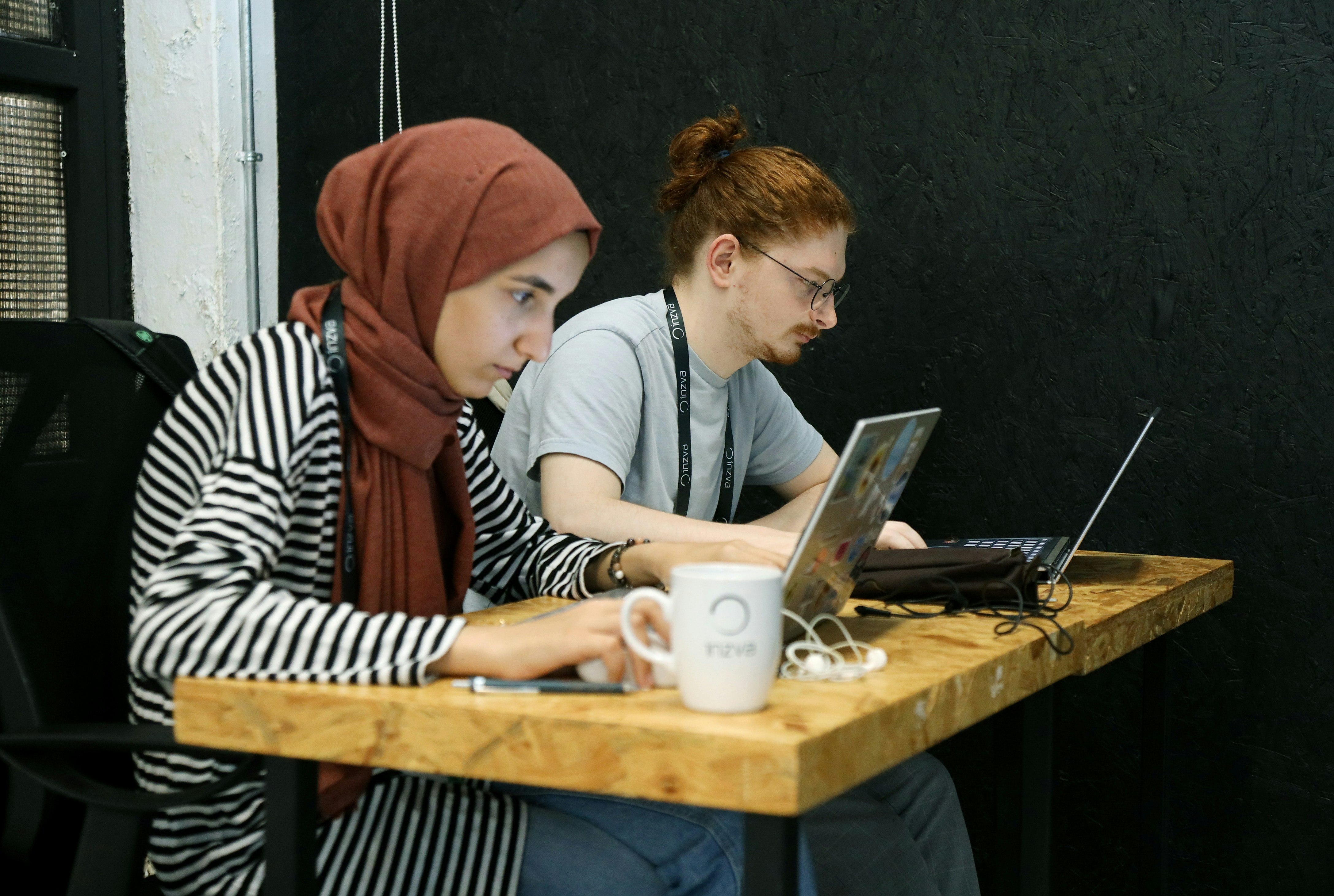
Households and communities increasingly produce data via smart meters, appliances and solar photovoltaic systems. Whilst at an individual level this data can provide insights into a single household’s consumption of energy, combining data from many households has immense potential. Aggregated data can help inform smarter grid management, improve energy forecasts and enable tailored services by energy providers and researchers. You may be:
- Considering how aggregated energy data could be beneficial to your community.
- Worried about privacy or other concerns.
- Interested in the benefits and challenges of collaborative energy data sharing.
By reviewing this case study, you will:
- Understand what community-level data sharing is and why it’s important.
- Consider the ethical considerations of data sharing.
- Develop an understanding of different approaches to collaborative energy data sharing in Europe.
Every1 case studies aim to support conversation, reflection and action on a key topic. Case studies provide key facts, examples, practical advice and reflective questions.
We would love to hear your thoughts on this case study! Please complete our short survey.
2. Factsheet
Let’s get started! In this fact sheet you will:
- Understand the key benefits of community-level data sharing.
- Develop an appreciation of the responsibilities of data producers and data consumers.
- Explore some collaborative energy data sharing examples from the European context.
Get inspired with more examples of community data sharing:
- Find out more about Portugal’s RECreation platform in Unlocking the potential of community-based energy sharing.
- Read the Energy Policy Journal paper Promoting energy-sharing communities: Why and how? Lessons from a Belgian pilot project.
- Find out more about energy data sharing in the UK in the Evolution of Energy Data Sharing in the UK.
3. Video
This video explores community energy data sharing:
Time to reflect: How could you support informed, ethical energy-data decisions in your community?
4. Reflective Questions
If you’re considering community level-data sharing, you may want to reflect on the following questions:
For energy communities:
- What will be the main benefits of data sharing in your community?
- What will be the main challenges of data sharing in your community?
- What approach will you take to evaluating community level-data sharing?
- How will you address concerns around the misuse of energy data?
- How could you improve your own and/or others digital energy literacy?
- What tools or resources could support your decisions and next steps?
- How could we leverage our consumption/production data with others (e.g. energy retailers, DSOs, data brokers)?
For individual energy users:
- What type of data do I create by being an energy consumer?
- How willingly am I to share personal data, related to my energy consumption habits, with others?
5. Other Every1 Resources
You may find the following learning materials from Every1 useful:
- Resources focused on Security and data privacy in energy systems.
- The curated learning materials on Smart technologies for energy efficiency.
- The booklet Cybersecurity in the Digital Energy Transition.
You can also explore our Every1 Knowledge Hub, which has more than 80 different learning materials on digital energy topics, many available in a range of European languages.
6. Acknowledgements
This case study and its components were created by the Every1 project and are licensed CC BY-SA 4.0, unless otherwise stated.
Main case study image: two women sitting at a table with laptops by algoleague is on an Unsplash license.
Factsheet
Icons used (aside from the Every1 logo, funded by the EU logo and related images) are used according to Canva licensing terms.
Video
This video is part of the Collaborating across the digital energy landscape: Data sharing case study produced by the Every1 project (https://every1.energy), funded by the European Union’s (EU) Horizon Programme for Research and Innovation (2021-2027) under grant agreement No 101075596. The sole responsibility for the content of this video lies with the Every1 project and does not necessarily reflect the opinion of the European Union. The video is licensed CC BY-SA 4.0 (https://creativecommons.org/licenses/by-sa/4.0/deed.en), unless otherwise stated.
This video includes theme music Aura by DayNigthMorning via Pixabay. The voiceover for this video was created using Freepik. Noun project icons solar panel and wind turbine were redrawn and used in accordance with a Noun Project Pro Royalty-Free license. The opening logo was inspired by a Canva Pro licensed image featured in the Every1 Guide to Energy Efficiency and Smart Technologies and redrawn and animated using Adobe After Effects with the inclusion of a redrawn leaf image from the Noun Project Pro Royalty-Free license. The monitor image was developed by Peter Devine for the Every1 project. All other images were created using Freepik under a Premium license (unlimited use without attribution). The Every1 and “Funded by the European Commission” logos are used with associated permissions.
 This project has received funding from the European Union’s Horizon Programme for Research and Innovation (2021-2027) under grant agreement No 101075596. The sole responsibility for the content of this course lies with the Every1 project and does not necessarily reflect the opinion of the European Union.