Part 1 - From Digital Evidence to Human Decisions.
| Site: | OpenLearn Create |
| Course: | Digital Detectives: Understanding Communication in Digital Forensic Evidence |
| Book: | Part 1 - From Digital Evidence to Human Decisions. |
| Printed by: | Guest user |
| Date: | Wednesday, 28 October 2026, 1:27 AM |
1. The Journey of Digital Forensic Evidence
By the end of this module, you should be able to:
-
Recognise where digital evidence can be misunderstood or misused.
-
Explain how systemic bias within the digital evidence process can affect justice outcomes.
-
Reflect on how clearer language and better systems can help ensure justice.
Positive examples of structures or information flow that avoid bias
Although this module will focus on the potential for bias and miscommunication, it is also important to recognise that the systems studied by Clarus already contain practices that can support fairness, clarity, and good judgement.
There are professional training and international standards that reinforce the importance of impartiality, documentation, and confidentiality in forensic practice.
Formal communication through secure channels and structured templates is one example of ways in which miscommunication is mitigated. These support consistency and traceability.
When requests are clearly framed and reports are formally recorded, practitioners can audit and evaluate what was asked, what was done, and what was found. This reduces confusion and makes it easier to review the work afterwards. Clarus highlights the importance of reports clearly explaining any limitations, mistakes, or possible bias in the methods used, so that evidence can be understood in a more open and careful way.
Another positive practice is independent checking or corroboration. In Scotland findings may be reviewed by another police officer or commanding officer to help test interpretation and improve accuracy. The wider point here is not that one country has solved the issue completely, but that review, and structured challenge help protect the system from overconfidence and narrow interpretation. When another person can question what has been done or how it has been understood, the chances of catching ambiguity or missed alternatives improve.
Clarus also shows that informal communication is not automatically a problem. In fact, it is often essential. Quick clarifications, expert advice, and preparatory discussions can improve accuracy and avoid mistakes. The key issue is not to eliminate informality, but to support it in ways that preserve accountability and reduce the risk that important interpretive steps are not missed. The recommendations from the Clarus project are that there should be a focus on making information easier to track and manage, rather than simply preventing informal communication.
Move to the next page by clicking the arrow on the top right to move to the next page in this section.
2. Revisiting the Digital Detectives Investigation
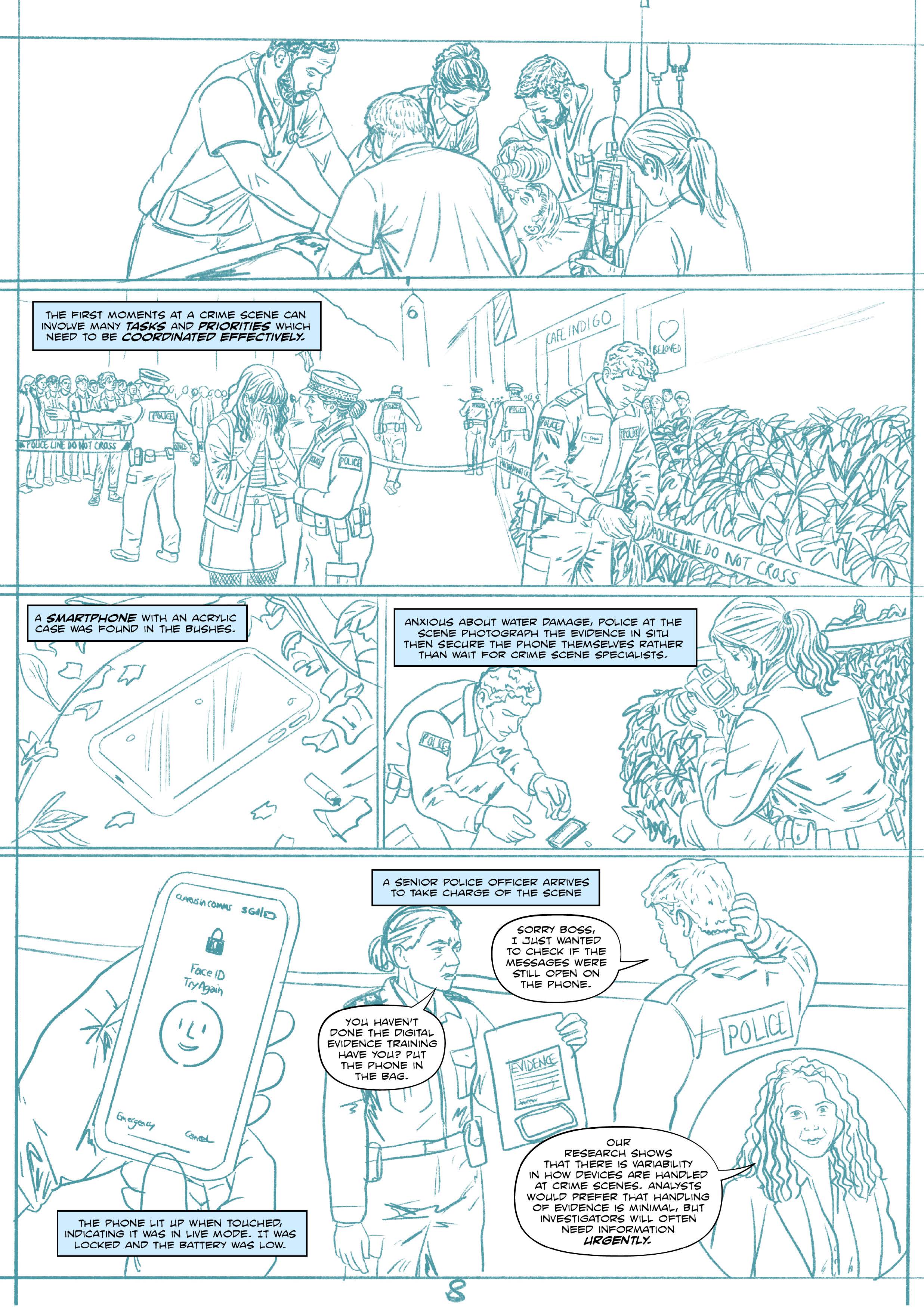
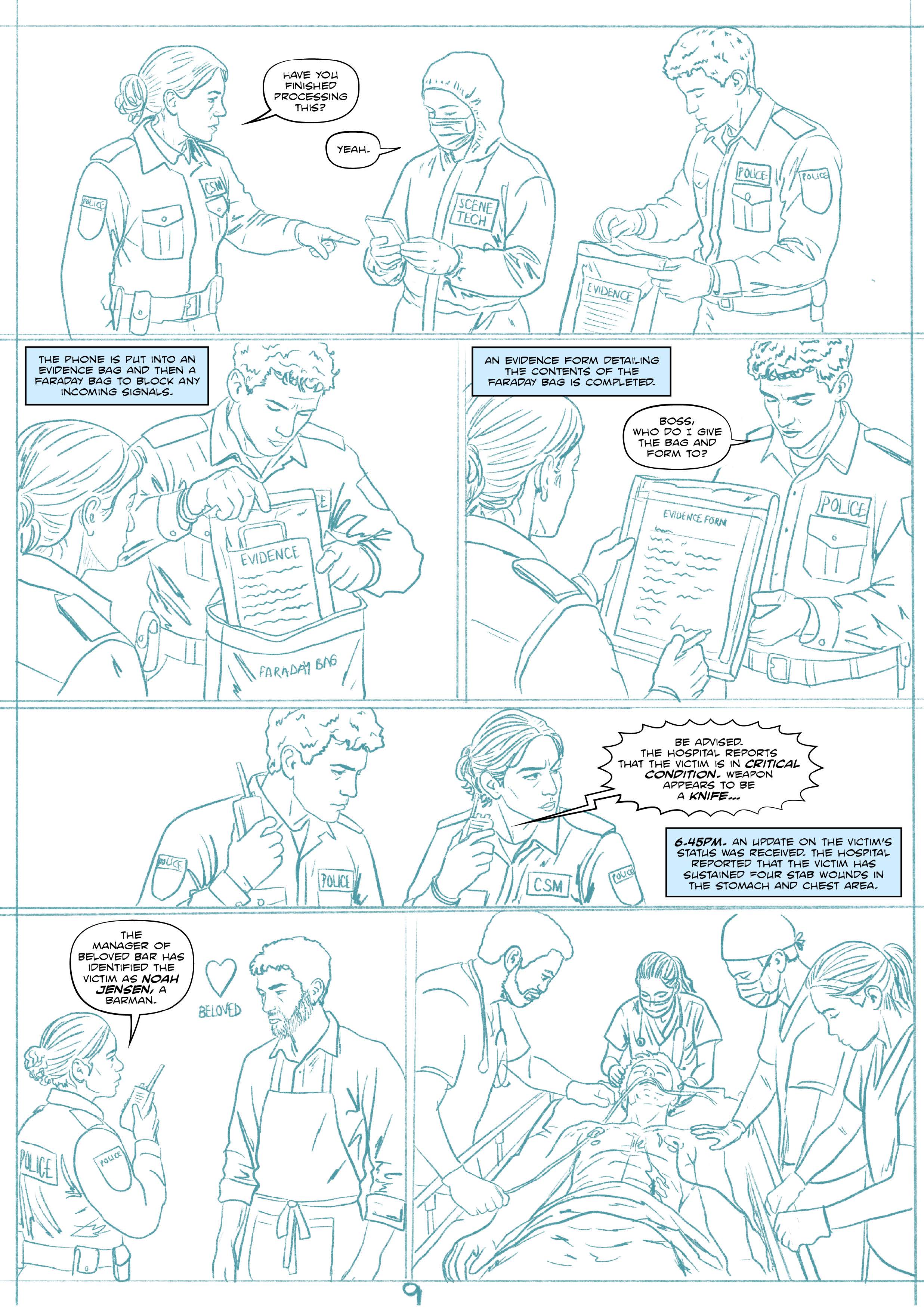
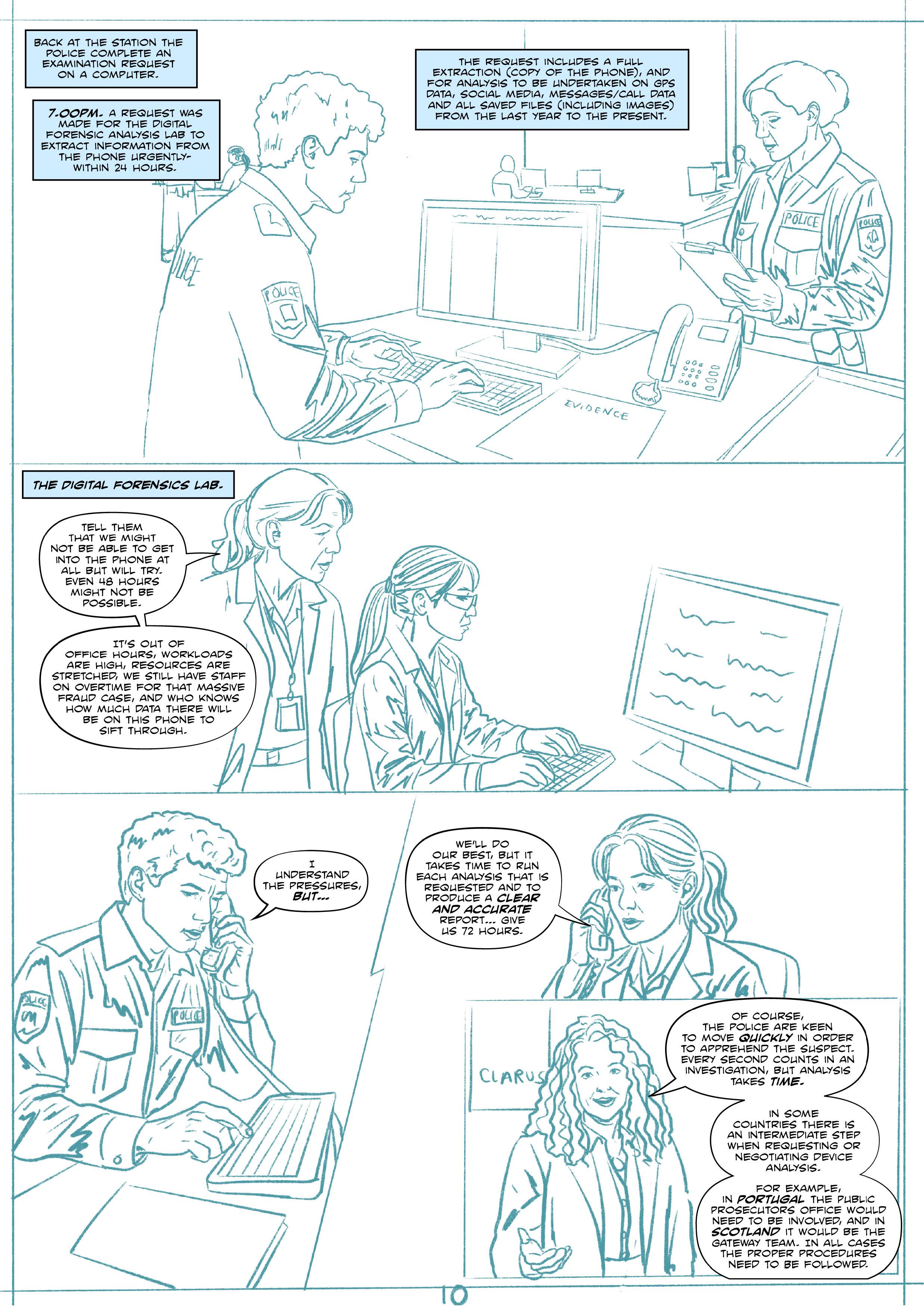
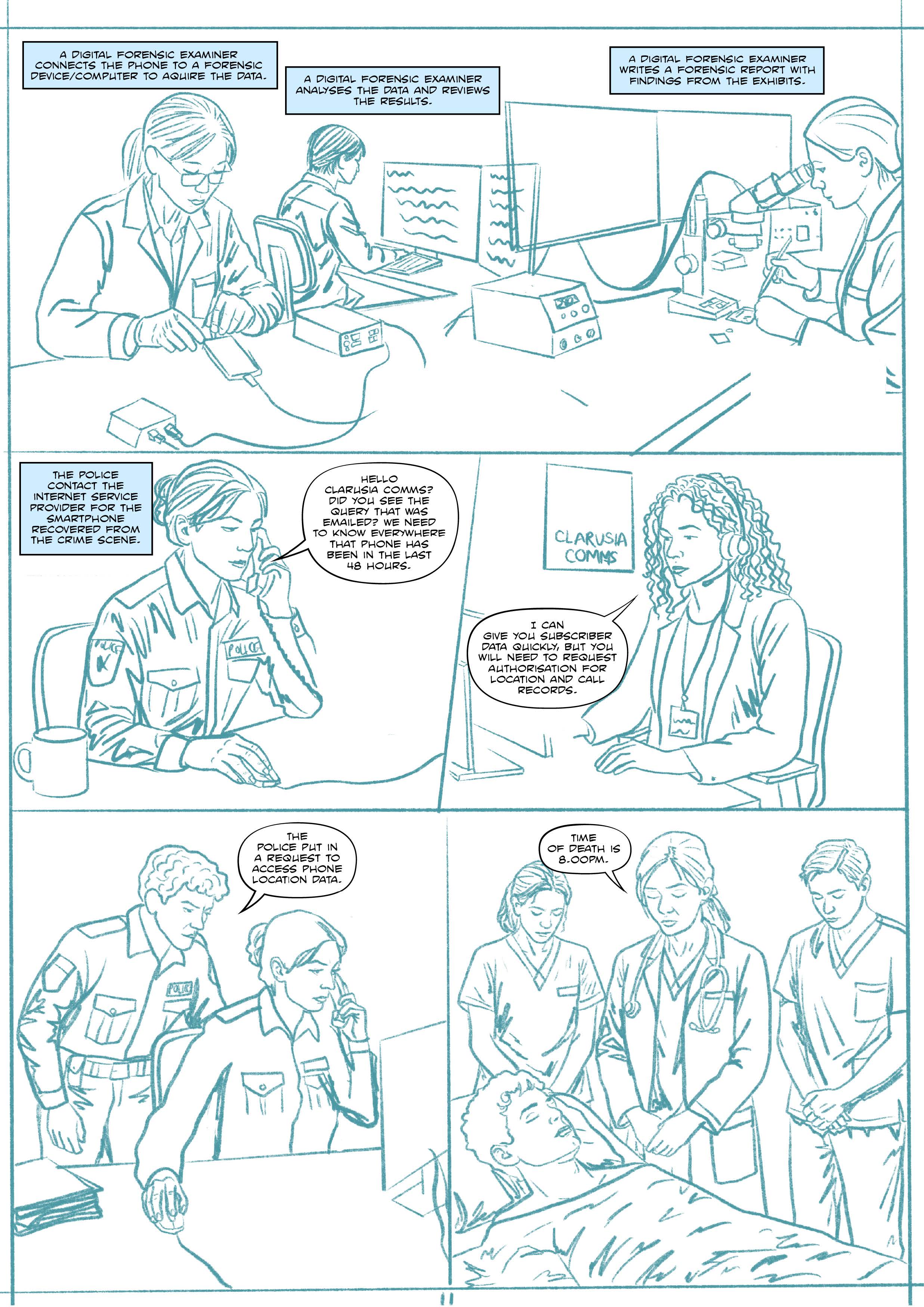
You have already followed these stages of the Digital Detectives investigation and explored how digital evidence moves between people, teams and different stages of the investigative process.
In this module, we are going to revisit some of those same moments, but this time we will look at them from a different perspective.
Now that you understand more about the journey of digital evidence, we can start to consider where opportunities for bias, misunderstanding or miscommunication might arise along the way.
As you return to scenes from the comic, think beyond what is happening and consider how information is being shared, interpreted and acted upon. Are assumptions being made? Could information be understood differently by different people? Could the systems and working practices around them influence what happens next?
You may notice things this time that did not seem important when you first encountered the story.
Move to the next page by clicking the arrow on the top right to move to the next page in this section.
3. What do we mean by bias?
Bias is not simply a personal flaw
Bias is sometimes talked about as if it means that someone is being careless, unfair or deliberately favouring one conclusion.
In reality, bias is often unintentional. It can influence judgement, interpretation or decision-making without a person being aware that it is happening.
People constantly have to make sense of large amounts of information. To do this, we rely on our experience, expectations and mental shortcuts. These are a normal part of decision-making, but under some circumstances they can influence which information we notice, how we interpret it and the conclusions we reach.
Two forms of bias
Two commonly discussed forms of bias are confirmation bias and contextual bias.
Looking beyond the individual
Clarus also considers how the conditions in which people work can create opportunities for bias.
For example, people may be working under time pressure, dealing with large amounts of information or communicating across different professional groups. Organisational structures, working practices and the way information is shared can all influence the decisions people make.
This means that understanding bias is not simply about identifying mistakes made by individuals. It also involves considering the wider conditions in which judgements and decisions are made.
Recognising these influences can help organisations develop working practices that support clearer communication and more reliable decision-making.

Next: back to the Digital Detectives case
In the next step, we will return to the Digital Detectives case and explore how some of these forms of bias and misunderstanding might emerge in practice.
Move to the next page by clicking the arrow on the top right to move to the next page in this section.
4. The Investigation Escalates
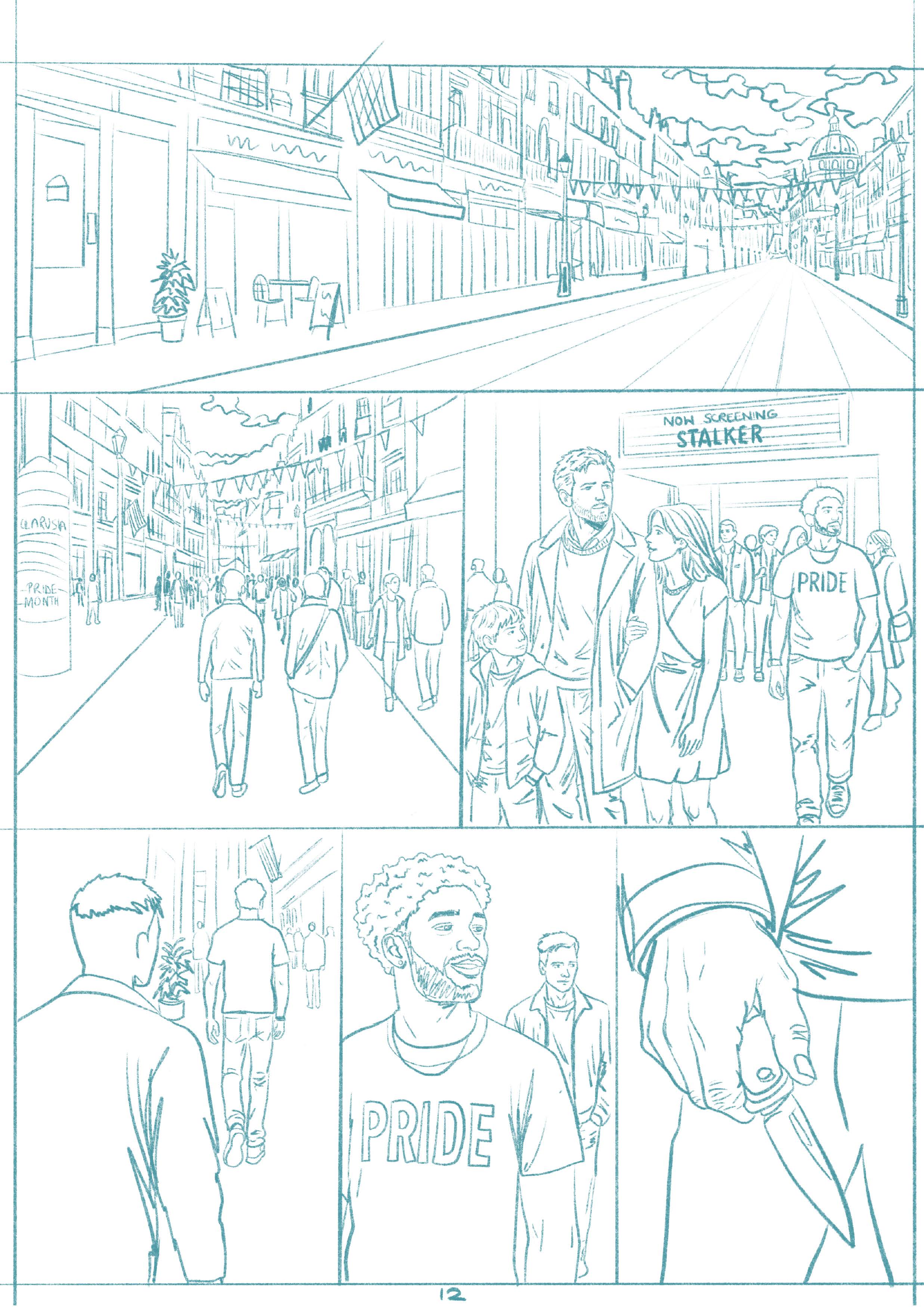
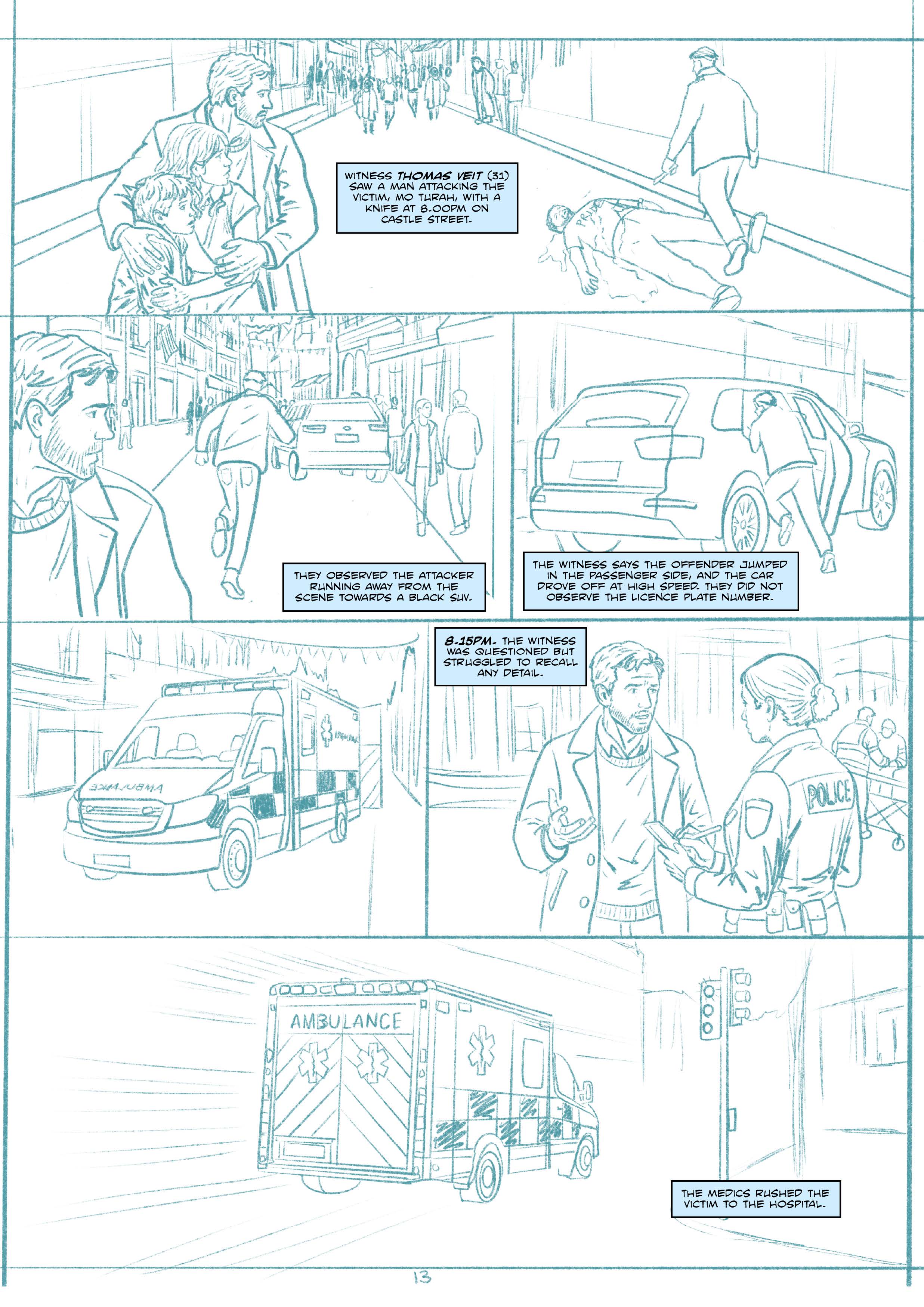
The investigation in Clarusia is already underway, but events are about to take a more serious turn.
As investigators continue to work with the evidence gathered following the first attack, a second attack takes place nearby. This brings new evidence, new people and new pressures into the investigation.
Move to the next page by clicking the arrow on the top right to move to the next page in this section.
5. Bias in the Digital Evidence Journey
Now that we have looked at what bias is, we can consider where it might influence the journey of digital evidence.
Digital evidence can pass between first responders, investigators, forensic practitioners and other professionals. Information may be recorded in formal requests and reports, discussed in conversations and passed between different teams.
Each of these stages involves people deciding what is important, what should be communicated and how information should be interpreted.
When an early theory shapes the investigation
Investigators often need to develop possible explanations before all the evidence is available.
As an investigation progresses, there is a risk that information supporting an early theory receives more attention than information that challenges it. This is an example of confirmation bias.
For example, an early assumption about a suspect might influence which lines of enquiry are prioritised, what information is requested from a device or how new evidence is interpreted.
The person making these decisions does not need to be deliberately ignoring contradictory information for this influence to occur.
When wider information influences examination
Bias can also arise when someone receives information about a case that is not necessary for the task they are carrying out.
Imagine that a digital forensic practitioner is examining a device and is told that investigators strongly suspect its owner committed the offence.
That information may not be needed to carry out the examination, but it could still influence what appears significant or how findings are initially interpreted. This is an example of contextual bias.
Bias across the evidence journey
The important point is that these influences do not necessarily remain at one stage of an investigation.
An early assumption might affect what is included in an examination request. A conversation might introduce additional contextual information. The findings of an examination might then influence the next investigative decision.
Looking across the whole digital evidence journey therefore helps us identify where unintended influences might enter the process and how they could affect later stages.
As you continue through this module, we will look more closely at some of the factors involved, particularly communication, language, organisational culture and information flow.
Move to the next page by clicking the arrow on the top right to move to the next page in this section.
6. Formal Vs Informal Communication
Clarus found that communication between forensic and investigative practitioners happens through both formal and informal pathways, and that both can help and both can create risk for bias and miscommunication.
Formal communication may be standardised, traceable, and required by procedure, but that does not mean it is always perfectly clear. Information in a report or request may still be incomplete, overly broad, or shaped by assumptions. Informal communication can help people solve problems and clarify what is needed, but it can also pass on irrelevant details, personal opinions, or contextual narratives that influence interpretation without being properly recorded.
Miscommunication can occur in both formal and informal communication. Information may be misunderstood, incomplete, overly technical, ambiguous, or interpreted differently by people with different professional backgrounds. In digital forensic investigations, even small misunderstandings can affect requests, expectations, decision-making, and the interpretation of findings. Understanding where these risks arise is an important step towards improving communication across the investigation process.