Understanding UK universities
| Site: | OpenLearn Create |
| Course: | Becoming a professional researcher |
| Book: | Understanding UK universities |
| Printed by: | Guest user |
| Date: | Friday, 20 November 2026, 11:50 AM |
1. Introduction
This unit is aimed mainly at people working in the UK higher education (HE) sector for the first time. Like many areas of work, UK universities are full of terms, conventions and practices that make perfect sense to people who are used to them, but for newcomers some of these idiosyncrasies can be confusing. Their opacity can be a real impediment to newcomers’ ability to develop a sense of belonging and to successfully navigate complex systems and processes.
This unit is designed to help people who are new to UK universities understand how they are structured, organised and governed. It explains the main types of UK university, introduces the bodies that run them and how that has changed over time, and signposts you to useful sources of information to help you stay up to date on current issues and developments in UK higher education.
The content in this unit relates to the following domains and descriptors of the Vitae Researcher Development Framework:
Researcher: 1.1 Development-focused, 1.2 Strategic, 1.4 Curious, 1.6 Adaptable
By the end of this unit, you should be able to:
- Distinguish between the main types of university in the UK and explain the terms commonly used to describe them
- Describe the roles of the principal governance bodies in a UK university
- Identify reliable sources of information on current issues and debates in UK higher education.
Estimated study time for this unit: 1 hour and 40 minutes
2. Types of UK University
In this section you’ll look at the main types of university in the UK, but first, let’s start with the basics. Activity 1 asks you to consider what we mean when we talk about ‘a university’, and invites you to reflect on which types of university you are already aware of.
Activity 1: Defining 'University'
Allow approximately 10 minutes for this activity.
Reflect on each set of questions below. Make a separate note of your responses. Once you have answered the questions, select 'View Comment' to reveal possible responses and considerations.
Questions 1 & 2
1) How would you define the term 'university'?
2) What makes a university distinct from a school, college or company?
View Comment
In your answer you’ve probably made a distinction between universities as institutes of higher or more advanced learning than schools and colleges. Hopefully, you will have also noted that while schools and colleges are primarily teaching institutions, universities also conduct research. Companies may also conduct research but generally confine themselves to one or two specialisms, whereas a university’s research encompasses all the main fields of human knowledge – the arts, humanities, and the social and physical sciences. Importantly, while school and college curricula are usually focused on teaching established knowledge, a university’s teaching is grounded in and informed by its cutting-edge research.
Question 3
3) What types of university are there in the UK?
View Comment
You may have come across a number of different terms for different kinds of universities in the UK, such as: • redbrick • research-driven • civic • campus • post-1992. Many of these terms have overlapping meanings which can be confusing. Next, you’ll look at some of these terms in more detail and cover what they tell us about the history and development of UK HE.
2.1. Age, prestige and research focus: the elite universities
Most of the terms you will hear used to describe UK universities refer to their age, prestige and primary focus on either research or teaching. In general, age, prestige and focus are linked – with older universities being more prestigious and more likely to be focused primarily on research than their newer counterparts.

Age
The UK has some of the oldest surviving universities in the world. Oxford, Cambridge, St Andrews, Glasgow, Aberdeen and Edinburgh were all established before 1600 CE and are generally referred to as the ancient universities of the United Kingdom. After 1600, no new universities were founded in the UK until the nineteenth century when industrialisation led to the expansion of the sector.
The second half of the nineteenth century saw the establishment of nine universities (Birmingham, Liverpool, Manchester, Leeds, Bristol, Reading, Nottingham, Newcastle and the now-defunct Victoria University) in major industrial cities in England. These are often known as the redbrick universities because of their distinctive architecture.
The next major expansion was during the latter half of the twentieth century with the addition of the seven plate glass universities (East Anglia, Essex, Kent, Lancaster, Sussex, Warwick and York), named for their distinctive steel, glass and concrete construction which reflected contemporary trends in civic architecture. The plate glass universities were located on self-contained campuses outside the major cities and their names reflected their locations within historic duchies.

Prestige
Several of the UK’s older universities are internationally acknowledged as among the best in the world. The best known of these are the Oxbridge universities – Oxford and Cambridge – which reliably appear in the top ten of the three main international ranking systems (the QS rankings, the Times Higher rankings, and the Shanghai rankings). Other world-class universities in the UK include the 24 members of the Russell Group.
Focus
Elite universities are research-intensive, meaning that research is their primary focus and source of income. They tend to offer traditional academic degrees rather than vocational subjects and they are highly selective. In addition to being very competitive they are also expensive to attend as they tend to charge higher tuition fees, and most are in areas of the country where the cost of living is relatively high – this can make them inaccessible to less privileged students.
Studying or working at one of these institutions carries real prestige and, for many staff and students, the possibility of building elite social networks is part of their appeal. The elite universities are able to be extremely selective when hiring and they tend to focus on research credentials over teaching experience (although both are important).
2.2. Post-1992 and modern universities
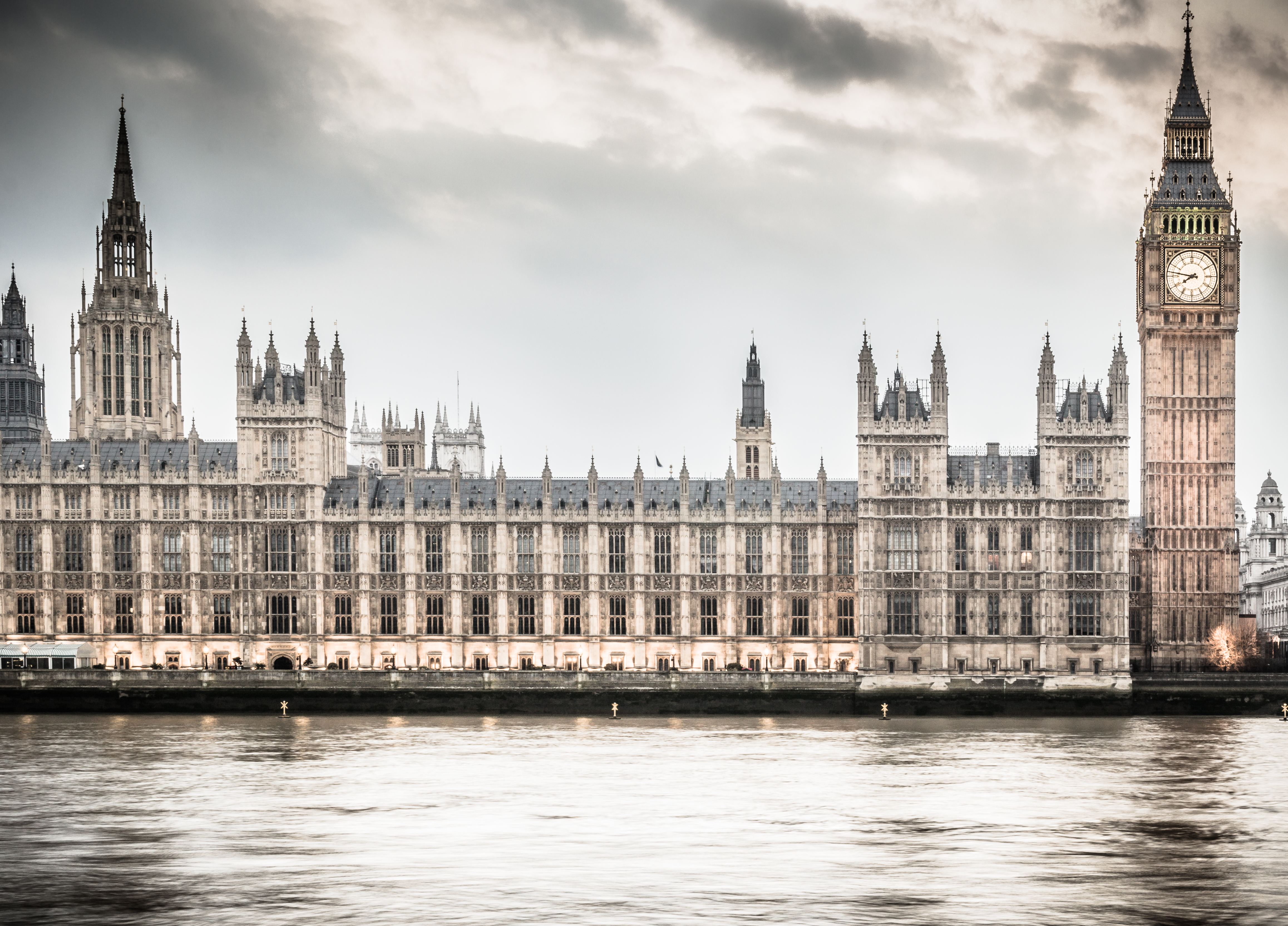
In contrast with the elite, older universities described above, another term you will hear used to describe universities in the UK is post-1992. This refers to an Act of Parliament passed in that year, which conferred university status on 39 former colleges of higher education and polytechnics. It is also used to refer to colleges which have gained university status since then. These modern universities tend to focus more on vocational courses (e.g. engineering, social work) than traditional academic subjects (e.g. art, history).
They are much less selective than elite universities or those in the middle tier (see next section) and are teaching-intensive universities – although they do conduct research, they derive most of their income from student fees, rather than from research grants. This means that they need to appeal to students and so they often invest money in high quality modern facilities and accommodation. Their lower fees and less prestigious locations generally make them a cheaper option for first-generation students. As employers, they tend to focus on teaching credentials over research income, although it’s important to demonstrate that you are ‘research-active’ and can contribute to the university’s Research Excellence Framework (REF) submission.
Edge Hill University, the University of Bedfordshire and Liverpool John Moores University are all examples of this kind of institution – you can find a full list of post-1992 UK universities online. Many of the new universities are members of MillionPlus, an organisation which represents their interests within the sector, and others are members of the University Alliance which represents the particular interests of universities with a vocational and technical focus.
2.3. Middle Tier Universities
As you might expect, the middle tier category includes most universities other than those described in the elite and post-1992 categories. This includes the plate glass universities like Essex, Warwick and Keele which were built in the 1960s and 1970s on self-contained campuses. Universities classed as being in the middle tier range from research-intensive institutions, which are among the most prestigious in the country (such as Warwick), to teaching-focused universities that have more in common with the post-1992 cohort.
Activity 2: Thinking about your own university experience
Allow approximately 10 minutes for this activity.
Reflect on the questions below. Make a separate note of your responses. Once you have answered the questions, select 'View Comment' to reveal possible responses and considerations.
Think about your own university experience.
How did the institution(s) you studied at or worked in – whether in the UK or outside it – relate to the categories above in terms of their age, prestige and focus? What other factors were important in shaping your experience of working or studying in these institutions?
View Comment
It may be the case that you were very aware of how the type of university you attended shaped your experience there, or perhaps this is the first time you have thought about universities in these terms. Perhaps you don’t find the categories above particularly relevant to your experience. Whatever your experiences are, it is useful to have a general understanding about the history of the UK HE sector and know some of the commonly used terms.
The next session addresses how universities are governed.
2.4. Summary
In this section, you have learned about the main types of university in the UK. You have considered how factors such as age, prestige and research focus are commonly used to compare universities, and you have learned about how the sector expanded to include different types of universities from the 19th century onwards. In the next section of the unit, which introduces you to university governance you will learn about how universities work, how their managerial structure and governance has changed and continues to develop, and consider some criticisms of these changes.
3. How do universities work? An introduction to university governance structures

Many people who have not worked in the university sector before can find its systems, processes and language rather opaque.
Universities today share many of their management practices with large businesses and other public-sector organisations, but some of the language used to describe their structures and processes is rather arcane. This section introduces you to the ways universities are currently governed and provides some historical context so you have an understanding of how the management of universities has changed over time and continues to evolve.
3.1. Overview
This section aims to demystify university governance by explaining the roles played by the various bodies in the day-to-day management of a university.
Schofield (2009) provides a useful overview of typical university governance structures (2009: p.7), which tend to include the following components:
- A governing body, often known as a Council.
- An executive board.
- An academic board, often called a Senate.
- A registry/secretary/clerk.
As you will see below, in almost all UK universities, corporate governance and academic governance are managed separately (Schofield 2009, p.6).
3.2. The Council
The governing body of a UK university is usually known as the Council, the Board of Governors, the Court (Committee of University Chairs 2020). (In this unit, we will use the most common term for this body, the council).
The council is effectively the university’s Board of Directors and is the body corporate – the owner of the institution’s assets and the employer of all staff. Its responsibilities are set out in The Higher Education Code of Governance (Committee of University Chairs 2020). The council controls the business, administrative and legal affairs of the University, setting strategy, approving budget, monitoring risk and holding the executive to account (Saiti et al 2018).
For example, it is usually responsible for:
- appointing the vice chancellor (the executive head of the university)
- strategic planning
- finance
- audit
- estate management
- monitoring effectiveness and performance.
The council usually has between 17 and 25 members, a majority of whom are external non-executive members. (This means that they are not employed by the University but act as independent advisers.) These positions are unpaid. The Code of Governance also sets out an expectation that the council will include representatives of members of staff and students (Schofield 2009, p.7).
The independent chair of the council is usually known as the Pro-Chancellor or Deputy Chancellor.
For example, at Cardiff University, Council is made up of a majority of independent members together with staff and student representatives (Cardiff University 2026). Membership includes:
- the Vice-Chancellor
- the Provost and Deputy Vice-Chancellor
- a College Pro Vice-Chancellor
- a Head of School
- a member of academic staff
- two members of professional services staff
- the President of the Students’ Union
- the Vice-President Postgraduate
- a number of independent external members
- the Chief Operating Officer and University Secretary.
3.3. The Executive Board
The executive board of a university is akin to the executive team in a business. While the governing body (or council) sets university strategy and provides top-level oversight and challenge, the implementation of this strategy, as well as responsibility for the day-to-day leadership and management of the university is delegated to the executive board, which is usually headed by the vice-chancellor or principal as CEO and head of institution (Schofield 2009, p.7).
In addition to the vice-chancellor (or principal), members of a university’s executive board usually include deputy vice-chancellors, the finance director, the HR director and other senior leaders. This is the case, for example, at the University of Glasgow (University of Glasgow, 2024), where the executive board is composed of:
- Principal and Vice Chancellor.
- Senior Vice Principal and Deputy Vice Chancellor (Academic).
- Chief Operating Officer/University Secretary and Deputy Vice Chancellor (Operations).
- 9 Vice Principals with different areas of responsibility.
- Executive Director of Finance.
- Executive Director of People and Organisational Development.
As you have seen, the council and executive board of a university are broadly similar to the board of directors and executive team of a large business. However, the next governance structure that you will learn about- the Senate is unique to universities.
3.4. The Senate
The senate (sometimes known as the academic board) is the academic authority of the university and is responsible for overseeing its academic management, including making sure that the university’s academic standards meet the Office for Students conditions of registration (Office for Students, 2025). This includes all of its teaching and research (Schofield 2009, p.7). It has the power to make regulations, and its meetings concentrate on major issues of academic strategy, policy, priority and performance. Although university councils have the ultimate authority, they are usually bound to respect the views of the senate in academic matters.
Note that the regulation of higher education is devolved. The Office for Students regulates providers in England, while Scotland, Wales and Northern Ireland each have their own arrangements. The broad governance structures described here apply across the UK, but the regulatory body your institution answers to will depend on where it is based.
The senate is usually chaired by the vice-chancellor, and, unlike council members, senators are members of university staff- some are ex-officio members- that is holders of defined positions that entitle them to senate membership (such as deans of faculty), and some are elected by their peers. For example, the Senate of the University of Birmingham is composed of 57 members comprising:
- 10 ex-officio members including the Vice Chancellor.
- 3 Board members of each of the five Colleges.
- The Education Officer of the Guild of Students.
- 5 students.
- 4 elected members of the academic and research staff of each College.
- 6 additional co-opted members.
(University of Birmingham, 2026)
3.5. Governance in Faculties, Schools and Departments
Universities are usually divided into broad academic groupings, commonly called faculties or, in some institutions, colleges or schools. Each is typically led by a Dean or Head and has responsibility for the teaching, research and staffing within its subject areas.
While, as you have seen, UK universities’ governance structures are broadly similar, governance arrangements in faculties and schools vary substantially between institutions. As you saw in the examples above, the language used for similar posts in different universities also varies significantly, and your institution may use different terms to those used here.
To get oriented, it’s worthwhile spending some time learning about how things work in your institution, and the most useful sources for doing this will be your university’s statutes, ordinances, and scheme of delegation, which will set out governance structures in detail. For a quicker overview, the governance pages of your university’s website are a good starting point.
3.6. Changes in University Governance: How things were
Collegial governance
Until the second half of the twentieth century, UK universities were self-governing organisations. Their management structures and processes emphasised academic autonomy and shared decision-making – in short, they were run by, and for, academics (Schofield 2009, p.6).
Although UK higher education had always been state funded, universities were governed largely through their own internal structures rather than through direct state control (Shattock 2006; Schofield 2009).
Under this collegiate model of governance universities were led by a collective body of academics and administrators (de Ridder-Symoens 1992). This body, known as the university Senate or Council, included representatives from the university’s academic departments as well as other stakeholders. The Council (or Senate) was responsible for making key decisions related to:
- academic policies
- curriculum development
- faculty appointments and promotions
- budgeting
- resource allocation.
This collegiate decision-making structure aimed to ensure that academics had a significant influence over the academic and intellectual direction of the university (Bush 1997).
Under this model of governance, academic departments and faculties enjoyed a high degree of autonomy and were largely responsible for their own affairs, including recruitment and promotion decisions, curriculum design, and research activities. This autonomy allowed for academic freedom and fostered an environment where scholars could pursue their research interests independently.
Administrative functions such as financial management, infrastructure maintenance and clerical support were generally handled by a central administration but were seen as supportive of, rather than central to, the main business of the university, which was the pursuit of knowledge. Decision-making processes were characterised by deliberation, consultation and consensus-building, with academic staff playing a central role. This meant that decision-making could be slow and inefficient, which led to calls for reforms to enhance accountability, efficiency and responsiveness.
3.7. Changes in University governance: How things are

University governance in the era of New Public Management
Stage (2020) summarises three main changes since the 1990s which have affected the ways in which universities are run. Firstly, there has been pressure to deliver public services such as education more cost-effectively. Secondly, there has been a shift within universities towards a professionalised, centralised management where academic staff play a far smaller role. Thirdly, the introduction of education policies which have emphasised competition and consumer choice, meaning that universities are required to compete with one another for students and funding. Below, you will learn more detail about each of these changes.
Greater state involvement
The neoliberal (free-market) economic policies that have become dominant in much of the world since the early 1980s have resulted in changes in UK government approaches to the management of public sector institutions such as the National Health Service, local government, and schools, as well as universities.
These changes were aimed at modernising public services and making them more efficient by introducing private-sector management techniques such as performance measurement, competition, market mechanisms, strategic leadership, and audit-based accountability to the sector in order to provide greater accountability and value for money-an approach known as New Public Management (NPM) (Ferlie et al 1996; Deem et al 2007).
For universities, this was a significant change, meaning that they became much less autonomous as the state became more involved in their governance (Barnett 2011; Shattock 2006). Like other public sector institutions, HEIs found themselves facing increased expectations to demonstrate that they were delivering value for money with respect to the substantial public funding they received (Schofield 2009; Clarke 2004). In return for this funding, universities became subject to greater external scrutiny and accountability, with governments increasingly seeking to influence institutional priorities and monitor performance.
Centralised management
Historically, university systems of governance had made clear distinctions between ‘academic’ governance and ‘corporate’ governance (Schofield 2009, p.6). Academic governance, as you saw above, is usually the role of a senate or academic board made up of university staff, which oversees research and teaching (Schofield 2009, p.6). Theoretically, this approach ensures that ‘decisions on academic issues [are] taken by academic staff’ (Schofield 2009, p.6),
However, in 1985 the Jarratt Report recommended that universities should be managed more like corporations, with vice-chancellors acting as chief executives, and governing bodies taking a more strategic role (Schofield 2009, p.7). In 1992, new legislation, the Further and Higher Education Act 1992 embedded this in law. It created a more unified HE funding system by establishing Higher Education Funding Councils, and allowed for the establishment of new universities- the ‘post-1992 universities’ referred to in Section 2.2. The governing bodies of these new universities had greater powers and responsibilities. They were smaller than the traditional councils, and they were required to recruit a majority of external members (Schofield 2009, p.7). The effect was to centralise power within the university, and to reduce the influence of academic staff on university governance (Schofield 2009, p.8).
Marketisation
The third key shift identified by Stage (2020) and others was the gradual marketisation of the HE sector- a series of policy changes that positioned universities as competitors in a market. Although this didn’t mean that universities became private businesses, it did mean that public universities, while continuing to be largely state-funded, competed against one another for students, research income and reputation. One policy that cemented this approach was the introduction of student fees in 2006-7 (Schofield 2009; Shattock 2024). This meant that, instead of the government funding university teaching, the cost was passed to students, who took out loans to pay their fees. At the same time, the Government removed the cap on the numbers of UK-domiciled students who could study in each institution, with the effect that universities were put into direct competition with each other to attract students (Shattock, 2024).
Fee arrangements differ across the four nations, and the position described here is specific to England. If you are studying or working in Scotland, Wales or Northern Ireland, your institution operates under a different funding settlement.
In this competitive environment, UK universities became subject to a growing range of performance measures. Various metrics and league tables were established against which universities could monitor their performance, such as:
- The Research Excellence Framework, which is used to allocate public funding for universities research by assessing the standard of research being conducted in each university. (REF 2026)
- Student satisfaction surveys, such as the National Student Survey (OFS 2026) and Postgraduate Research Experience Survey (Advance HE 2026)
- Teaching quality measures like the Teaching Excellence Framework (OFS 2023)
- League tables like those produced by the Complete University Guide, the Guardian and the Times, plus, internationally, the QS, Times Higher and the Shanghai rankings mentioned in Section 1.1.
3.8. Critical perspectives on university governance
The impact of the New Public Management (NPM) on universities has been a subject of ongoing debate with some commentators arguing that the corporatisation of higher education has transformed universities from largely autonomous, collegial communities which prioritised the production and dissemination of knowledge, into managerial organisations motivated as much by profit as by the pursuit of knowledge (See, for example, Collini 2017; Holmwood 2011).
Perhaps the most common criticism is that NPM reduces the role of academics in decision-making, with authority shifting from senates, faculty boards and academic committees towards executive teams. This has resulted in decision-making becoming more hierarchical and managerial, and academic staff having less influence over institutional strategy (Shattock 2006; Deem et al 2007).
The growth of audit and performance cultures in universities has also drawn criticism, with critics arguing that many of the essential functions of universities, such as supporting risky or long-term research, conducting public scholarship, and encouraging a culture of critical thought and intellectual curiosity, do not lend themselves to measurement and are therefore increasingly under-valued (Collini 2017).
Furthermore, the corporatisation of university culture has, critics argue, fundamentally changed the roles of both academics and students. Academics find that their work becomes less scholarly and more managerial, as they spend increasing amounts of time on reporting, performance reviews and quality assurance procedures. Meanwhile, students are positioned primarily as paying consumers purchasing a service, rather than as learners- meaning that the educational relationship between a student and their university becomes transactional rather than intellectual (Barnett 2017; Holmwood 2011).
In contrast, supporters of NPM point out that universities are now much larger, more complex organisations than many were 40 years ago, and that purely collegial governance may be impractical at this scale. In the context of the modern, large university sector, they argue, universities need more strategic leadership, better risk management, and stronger financial oversight if they are to remain viable.
3.9. Summary

In this section you learned about changes to university governance since the 1980s, and how these changes have affected the structure and day-to-day running of universities. In the final section of this unit, you will find some suggested sources of news and analysis to help you keep up to date with developments across the sector.
4. Keeping up to date with UK Higher Education
Below are some useful sources of further information and news about the UK Higher Education (HE) sector. You may want to read more on their respective websites to further familiarise yourself with the sector and keep up to date on any developments.
Times Higher Education
The Times Higher Education (THE) is a leading UK-based publication that focuses on higher education and research. It provides news, analysis, rankings, and other information on universities and colleges worldwide from a UK HE perspective.
WONKHE
WONKHE is a news website dedicated to the discussion of UK HE policy and politics. It is free to access and also has a daily email briefing and a weekly podcast which are both useful for keeping up to date with sector developments.
5. Conclusion
This unit has introduced you to the main types of university found in the UK and provided you with a basic outline of how UK universities are organised and governed. Links to other sources have also been provided for further information on current issues and debates in UK HE.
Now move onto Unit 2: Planning your development as a professional researcher.
6. References
- Advance HE (2026) Postgraduate Research Experience Survey (PRES)(Accessed: 24 August 2026)
- Barnett, R. (2011) Being a university. Abingdon: Routledge
- Barnett, R. (2017) The ecological university: A feasible utopia Abingdon: Routledge
- Bush, T. (1997) 'Collegial models', in N. Bennett, M. Preed and A. Harris (eds) Organizational Effectiveness and Improvement in Education. United Kingdom: McGraw-Hill Education, pp. 68–79.
- Cardiff University (2026) Council members. Available at: https://www.cardiff.ac.uk/about/organisation/governance/council/council-members (Accessed: 30 August 2026).
- Clarke, B.R. (2004) 'Delineating the Character of the Entrepreneurial University', Higher Education Policy, 17(4), pp. 355–370.
- Collini, S. (2017) Speaking of Universities London: Verso
- Committee of University Chairs (2020) Higher Education Code of Governance https://www.universitychairs.ac.uk/wp-content/uploads/2020/09/CUC-HE-Code-of-Governance-publication-final.pdf (Accessed: 24 August 2026)
- Deem, R., Hillyard, S. and Reed, M. (2007) Knowledge, higher education, and the new managerialism: The changing management of UK universities. Oxford: Oxford University Press Available at: https://doi.org/10.1093/acprof:oso/9780199265909.001.0001. (Accessed: 24 August 2026)
- de Ridder-Symoens, H. (ed) (1992) A History of the University in Europe: Volume 1, Universities in the Middle Ages. Cambridge: Cambridge University Press.
- Ferlie, E., Ashburner, L., Fitzgerald, L., Pettigrew, A. (1996) “The new public management in action,” Oxford: Oxford University Press
- Holmwood, J. (2011) A manifesto for the public university. London: Bloomsbury Academic. Available at: https://doi.org/10.5040/9781849666459 . (Accessed: 24 August 2026)
- Kjær Stage, A. (2020) 'Are national university systems becoming more alike? Long-term developments in staff composition across five countries', Policy Reviews in Higher Education, 4(1), pp. 68–104. Available at: https://www.tandfonline.com/doi/full/10.1080/23322969.2019.1702088 (Accessed: 24 August 2026).
- Office for Students (2023) About the Teaching Excellence Framework (TEF) https://www.officeforstudents.org.uk/for-providers/quality-and-standards/about-the-tef/ (Accessed: 24 August 2026)
- Office for Students (2025) Registration with the OfS: Conditions of registration https://www.officeforstudents.org.uk/for-providers/registering-with-the-ofs/registration-with-the-ofs-a-guide/conditions-of-registration/ (Accessed: 24 August 2026)
- Open University (n.d.) Governance structure https://about.open.ac.uk/governance-ou/governance-structure (Accessed: 24 August 2026)
- REF (2026) What is the REF? https://2029.ref.ac.uk/about/what-is-the-ref/ (Accessed: 24 August 2026)
- Saiti, A., Abbott, I. and Middlewood, D. (2018) 'University governance: insights from England and Greece', International Journal of Educational Management, 32(3), pp. 448-462. Available at: https://doi.org/10.1108/IJEM-05-2016-0091 (Accessed: 24 August 2026).
- Schofield, A. (2009) What is an effective and high performing governing body in UK Higher Education? Leadership Foundation for Higher Education/Committee of University Chairs. Available at: https://s3.eu-west-2.amazonaws.com/assets.creode.advancehe-document-manager/documents/lfhe/asset_images_docs/research_resources/research/misc/schofield%20-%20effgb.pdf_1572865844.pdf (Accessed: 24 August 2026)
- Shattock, M. (2006) Managing good governance in higher education. Maidenhead: Open University Press.
- Shattock, M. (2024) Governance as a topic in Higher Education Studies SRHE News Blog, May 28 2024 Available at: https://srheblog.com/2024/05/28/governance-as-a-topic-in-higher-education-studies-by-michael-shattock/ (Accessed: 24 August 2026)
- University of Birmingham (2026) The Senate https://www.birmingham.ac.uk/about/leadership/governance/senate (Accessed: 24 August 2026)
- University of Glasgow (2024) Senior Management Group Available at: https://www.gla.ac.uk/myglasgow/governance/corporategovernance/leadershipgovernance/seniormanagementgroup(Accessed: 24 August 2026)
- Vitae (2025) The Vitae Researcher Development Framework. Available at: https://vitae.ac.uk/vitae-researcher-development-framework/ (Accessed: 30 August 2026)