Use 'Print preview' to check the number of pages and printer settings.
Print functionality varies between browsers.
Printable page generated Monday, 14 September 2026, 1:29 AM
Unit 8: Challenges
8.1 Introduction to Unit 8: Tackling challenges and taking your next steps
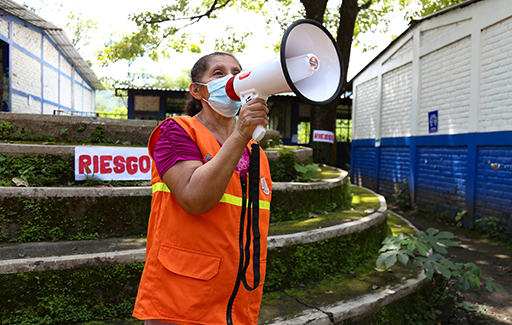
Well done for getting to the final unit of this course. We hope, from what you have learned from the content and from each other, that you are ready to continue to the next phase of your journey as a changemaker.
During this course we have looked at the different ways that change happens and the different strategies we can use to bring about change for people and the environment.
Believing that positive change can happen through the actions of people, holding that hope in your mind and being able to communicate it to others as a changemaker is a characteristic that can be cultivated over time. Besides having hope, a changemaker needs to be grounded in reality and fully aware of the challenges they face, both personally and in the external world.
In this unit we will hear from changemakers about how they have dealt with various challenges and gone on to achieve change – whether small, incremental or significant. This should help you think through some of the challenges you may have and how you might tackle them.
They will also share what keeps them going and continues to motivate them which we hope will inspire you on your journey.
When we are trying to generate change in complex systems there are many other factors that could be helping or hindering our progress. This can make it difficult to know if what we are trying to do is really working and if we should continue. In other cases, we might not be able to see much immediate progress because some changes need longer to become reality. In these cases, it helps to identify what other (smaller, intermediate) changes we would expect to see, which could give an indication that we are on the right track. It is vital to celebrate these small successes along the way to keep you and your allies motivated as change can be a long road.
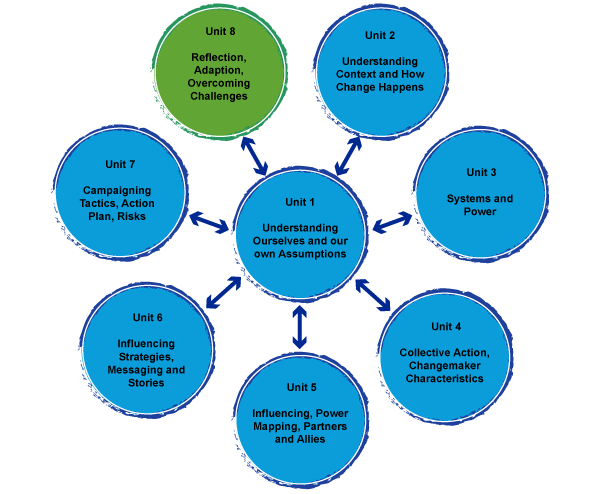
 Learning outcomes
By the end of this unit you will:
- analyse and reflect on ways to improve your campaign change action
- recognise and overcome challenges and blockages
- learn how to motivate yourself to continue contributing to making change happen.
8.2 How did it go?
We hope you were able to take a step forward in your action plan. How did it go? And how do you know?
If you have not started yet, don’t worry. It’s normal to be hesitant sometimes. If you are stuck, think about what might be holding you back. You might spend some time reflecting on the different steps you have taken so far in this course to spark your thinking.
 Activity 8.1: How did it go?
Consider these questions:
- How did your change action feel for you? Was it comfortable or did you need to go outside your comfort zone?
- Were there any surprises – positive or otherwise?
- What feedback from others did you receive?
Add your thoughts on the progress of your change action plan to the free text box, in the Make Change Happen plan or in your own notebook.
8.3 Analyse, learn and adapt
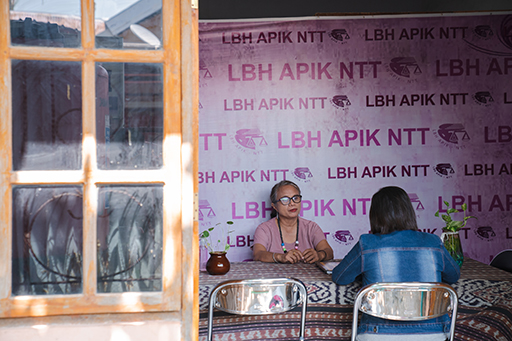
Taking time to think about how our actions went is very important to understand if what we are doing is working or not.
Sometimes we get too focused on the doing and we forget to stop, check-in, analyse, reflect and then adjust our assumptions, tactics and activities based on what we have observed, learned, or received feedback on. We might continue investing time and resources in something that might not work or that could even generate the opposite effect to what we are trying to achieve.
If you took an action together with others, hold a joint reflection with them to establish a common understanding of progress. If there are different understandings in the group, it can be really helpful to explore what those differences are and why they exist.
If you took the action on your own, you might still find it helpful to do this analysis with a friend, colleague or family member who can ask you questions, listen to your experience and help you think.
There are some questions in the table below to help you analyse how your action went, reflect on what you learned and consider what this means as you make choices on how to move forward.
| Question | Purpose |
|---|---|
| What was supposed to happen? Were your assumptions correct? What actually happened? Why were there differences? | These questions help you identify where there was divergence from the original plan. |
| What worked? What didn’t work? Were there any unintended changes? Why? | These questions generate reflection about successes and failures during the course of the action, event or task. The question ‘Why?’ generates understanding of the root causes of these successes and failures. |
| How do you know? What evidence do you have to inform your conclusions? | These questions help you to check-in with the facts of the situations so you don’t jump to conclusions that might not be true. |
What are your key lessons learnt? What needs to continue? What do you need to do less of or stop altogether? Have there been any important changes in the broader context that have an impact on your approach? What would you do differently next time? | These questions help identify specific, actionable lessons learnt and recommendations. It’s better if you can come up with very concrete and clear, achievable and future-oriented recommendations. |
Activity 8.2: Adapting as you go
How will you continue to analyse, learn and adapt your change plan as you go. Write your reflections on the approach you will take in the free text box, in the Make Change Happen Plan or in your own notebook.
Downloads
8.4 Facing challenges
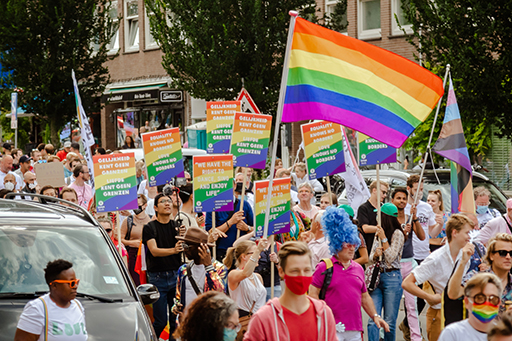
As anyone who has ever tried to change anything knows, there are always challenges along the way.
Often there are unforeseen blockages from those in positions of power or authority. People can hold entrenched attitudes or beliefs that are difficult to shift. There can be unintended consequences of change that weren’t anticipated. And there can be doubts and discomfort that can affect your confidence, and indeed your motivation, as a changemaker.
Knowing how to deal with these challenges – expecting them, and even welcoming them, and all you will learn from them as a result – is a skill to cultivate.
One of the biggest challenges for changemakers is fatigue. Change takes time and there can be setbacks. Achieving a policy change and getting it implemented can take years of effort, as can shifting public attitudes or influencing people’s behaviours. Self-care, collective-care and persistence are key. Fear and feelings of isolation can be overcome through creating hope and solidarity with others. Self-doubt is overcome by believing that you, with others, can really make a difference. There are countless examples of positive change happening, as we have seen in the stories we have shared. Celebrating progress and wins, even if small, is important.
There will be people who will oppose the changes you seek. People may not understand the change you are proposing, some may be scared (or tired) of change, some may have different values and beliefs, and some may share your values but genuinely believe that the changes you are pursuing are not helpful. Making an effort to understand why people may oppose change, and having empathy is important. Some people will however be in opposition to your changes to protect their own power or interests. You can counter this by exposing their vested interests, build a body of compelling evidence for change and work to mobilise others to push back.
Policy makers may believe that the changes and reforms you are advocating are unaffordable, unpopular or are not feasible. In which case, you can highlight the cost of inaction and reach out to those who have expertise and influence on the issue and are sympathetic to your cause to support you. Creating a sense of urgency and outrage at an injustice can help tackle the challenges of inertia and apathy.
Addressing challenges as a changemaker requires courage, determination, persistence and building alliances and a community. Working together and in solidarity can, and does, achieve change.
Evan Wolfson, the Founder and President of the Freedom to Marry movement in the United States, which won a historic and long fought victory in the Supreme Court in 2015, said:
‘Our success in winning the freedom to marry matters because it provides valuable lessons for how to achieve change.
We had many stumbles and missed opportunities, but we got some big things right, crucial elements of our success – notably our combination of a broad movement comprised of many organisations, activists, and stakeholders; a clear strategy we stuck with; and a tenacious central campaign that drove the strategy and leveraged the movement – Freedom to Marry.
Throughout our campaign, we celebrated many wins, but we also pushed through many losses. And with every loss, we reflected, regrouped, and rebounded, never giving up the fight. The losses, as much as the wins, offer lessons for the work ahead.’
Activity 8.3: How have you overcome challenges?
- What are the main blockages and challenges you have faced when making change happen?
- What have you learnt from trying to overcome those challenges in the past?
- What challenges might you face with the change strategy you have developed through this course?
Add your thoughts to the free text box, in the Make Change Happen Plan or in your own notebook.
8.5 What advice do you have for changemakers?
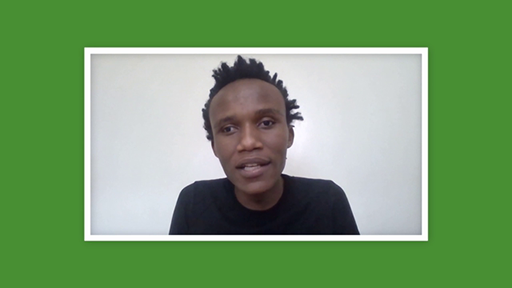
Transcript
Changemaker Profiles:
Chioma Agwuegbo is Executive Director at TechHerNG and is convener of the #StateofEmergencyGBV Movement, a coalition of organisations igniting citizens to advocate for an urgent, comprehensive, and sustainable response to sexual and gender-based violence in Nigeria.
Sabah Khan is co-founder of Parcham, an organisation in India dedicated to breaking stereotypes based on religion, class, caste, gender and other markers of difference to create a society respectful of diversity.
Elena Mejia is a feminist rapper, organiser and facilitator working in Lima, Peru to address issues of gender justice, economic justice and narrative work for social movements in the Actua.pe labs.
Kelly Mundy is a Senior Campaign Manager for Oxfam Great Britain campaigning to tackle inequalities such as economic and gender, which undermine the fight against poverty.
Eric Njuguna is an organiser with Fridays for Future MAPA (Most Affected People and Areas) in Kenya, supporting protests aimed at putting pressure on world leaders to take action to advance climate justice and to amplify the voices of those most impacted by the climate crisis.
Hadeel Qazzaz is a Regional Gender Justice Coordinator for Oxfam International based in Ramallah, West Bank, and advocates for women's rights throughout the Middle East and North Africa region.
Art Reyes III leads an organisation called We The People: Michigan, that works to build multi-racial working class organising capacity in the state of Michigan, USA, fighting for a better state and community that all people deserve.
Neha Singh is an organiser who started a women's rights campaign called ‘Why Loiter?’ in Mumbai, India, that aims at reclaiming public spaces for women by loitering.
Oudai Tozan is a researcher and founding member of the Syrian academics and researchers network in the UK, working with the Syrian diaspora and those who experienced forced migration to mobilise, connect and support each other, but also to support Syria when the situation allows.
8.6 Pulling it all together to make change happen
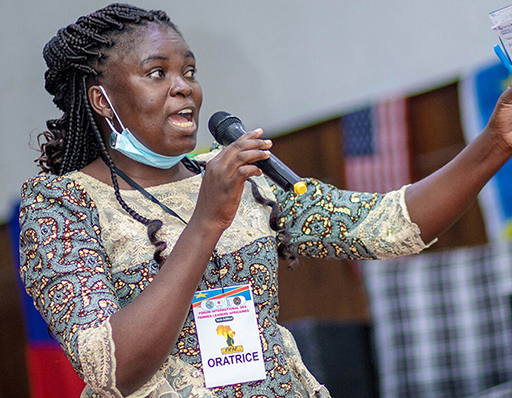
Throughout this course, we have seen many perspectives and examples of change from around the world.
Whether it is mass campaigns and movements to advocate for major policies like the arms trade treaty or the freedom to marry act, or focused, community-based work to change attitudes and behaviours around gender-based violence or environmental protections, there are some clear success factors and learning that emerge.
We have aimed to share these with you throughout this course and summarise them again here.
Consider yourself
Social transformation begins with personal transformation. The personal is political. Change needs to start with you; finding your ‘power within’; within each and every one of us. It is worth taking the time to think about our own motives, our sources of power, and to recognise how our identity and experiences can inform our assumptions about what change is desirable – for whom, with whom, by whom, and how it could be achieved.
Self-awareness, understanding of our own power and privilege, and also the systems of oppression and marginalisation that others might experience much more acutely than ourselves, will help us to build more honest and trusting relationships with people we want to work with to achieve change.
Understand what it is that needs to change
Having a strong vision of what you want to achieve is essential and will keep you and others motivated and moving forward. How you can bring about change needs to be informed by a strong analysis of the context, the factors involved, and where you have influence.
To achieve your desired change, are you going to focus on the formal spaces where policies, and how they are implemented, can be influenced; or in the informal spaces, on individuals’ skills and voice, or changing social norms, attitudes, beliefs and practices? Or is it a combination of these?
Analyse power and the system you are working in
Making a strong assessment of where power lies will provide you with important information to help you identify the levers for making change happen. Where is the power visible and obvious, and where is it invisible or hidden? Consider how power manifests itself in individuals, between people and groups, and how power is expressed. Consider what will happen when power is challenged. In any given context, is power shared (‘power with’) or wielded by one individual or group against others (‘power over’)? Even in power-sharing situations, such as among allies working towards the same change goal, there can be dynamics that, if not properly accounted for, can undermine success.
Be sure to think about characteristics like gender, race, age, class, sexual orientation, and other identities which may mean that some people are either included or excluded, listened to or ignored. How can you build your power and the power and voice of others?
Work with partners and allies
The most powerful thing you can do as a changemaker is to work with others and take collective action. There is power in people working together, collaborating and partnering to expand their spheres of influence, reach out to more people, and give strength and urgency to the call to action. Your power analysis will help you to identify potential allies, including those that you might not otherwise consider (the ‘unusual suspects’), whether these are organisations, groups, or individuals. You can also pool knowledge and resources and learn from each other about what works.
Recognise your sphere of influence, then test and push it
Having a good awareness of what is in your sphere of control can help you to recognise what tools and resources, personal capacity and group power you have to influence change. Understanding your sphere of influence and where you can push out and encourage change is valuable. It is also critically important to be aware of the limitations, where there are real constraints on individuals or groups working for change in society. Being aware of those risks for yourself and others, mitigating them and making conscious decisions about them is vital.
Plan your influencing strategy and tactics
The information that you have gathered will be essential to inform your strategy. Who are you going to work with? What are you going to work on? How are you going to approach it? Will you seek to persuade those in positions of power through quiet diplomacy and going through the formal channels and due process, or will you try to force the change from the outside through a mass movement and call to action? Will you work to change people’s mindsets through compelling evidence and education, or will you appeal to their sense of justice?
Selecting your tactics comes next, and will depend on your context, the financial, human and other resources at your disposal, and the audience you are trying to reach. There is a huge range of tactics and activities available to you, from demonstrations, to social media, to songs, to face-to-face engagement. Don’t be afraid to try things out and see what works.
Tell compelling stories
Whatever your tactics, you will want to inspire people to action. Will you appeal to people’s reason, to their emotions, to their desire to take action, or all of these? Take the time to build a compelling story that can bring the issue home, make it personal, and make it too important to ignore.
Be alert to spot windows of opportunity
Don’t just do the power and context analysis once at the beginning of the process. You must constantly review and check the assumptions you have made in the light of what is working or not. Be curious about what is going on in reality and continually adapt and adjust your plan depending on what emerges and changes along the way. Also, be alert to the unintended consequences of your actions which you may need to mitigate or adapt to.
Take care of yourself and others
Change takes time and it won’t always be clear what progress you are making. There will be challenges and unexpected issues along the way which can be disheartening. Be sure to take care of yourself. Take time out and take the time to connect with others on the change journey. Share your stories, concerns and successes. There is great comfort in solidarity and from this you can build resilience and energy.
As someone who is motivated to step forward and make change happen you are a leader. Whatever your role, you can lead from where you are by having conversations, exploring issues, joining movements, and building up your knowledge and skills to make change happen.
After all, change comes from people like you – like us – moving things forward. There is nothing as satisfying and joyful as seeing it work and making an impact on the lives of people and the planet.
8.7 Looking to the future
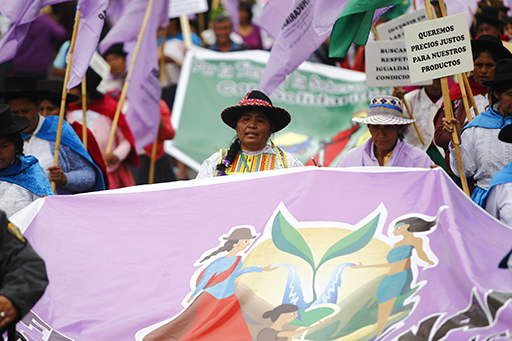
Your plan to make change happen is hopefully coming together now. Remember that the best plans are those that you come back to, that you share and discuss with others, that you scribble on, tear parts up, re-write if necessary. It’s that ongoing questioning that will help ensure your plans to make change happen remain relevant.
Let us take some time now to look at how you can take your next steps on your journey as a changemaker. What do you commit to?
Activity 8.4: Looking to the future
Spend some time thinking about the questions posed below. Think back over the many activities you have undertaken during this course and draw on your learning and responses.
For instance, think about: your own relationship to power within, power with, power to and power over as a changemaker; think about your strengths and where you need to develop your capacity for change; how you can work collectively with others and with your community; how confident you are in various aspects of being a changemaker; what are your knowledge gaps; how you will build your confidence to plan and deliver change actions and activities; how you will keep learning as you are doing; how you can be agile and responsive to the changes that are happening around you and opportunities and challenges that will arise.
Here is a simple table for you to plan your next steps. Write your ideas in the free text box, in your Make Change Happen Plan or in your notebook
| What I will do next | When I will do it | How I will do it | |
|---|---|---|---|
| To develop and strengthen my individual capacity and skills to influence for change | |||
| To develop and strengthen my approach to working with other people in making change happen | |||
| To strengthen my knowledge and understanding of making change happen | |||
| On my change action |
8.8 Join with other changemakers
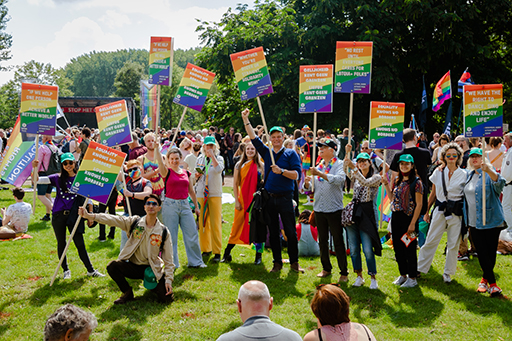
As we have seen, connecting with others is a powerful step that all changemakers can make as part of their journey. Here are some suggestions which you could follow-up on:
- Look at local groups or community organisations that align with your values and interests and join them. Your experience in how change happens and making change happen could be a valuable addition.
- Are there national organisations or social movements that you are interested in adding your voice to? Strengthening their numbers and supporting their activities and mission can be a valuable channel for your efforts.
- What global causes interest and inspire you? Are there international movements, digital campaigns or social justice organisations that you could show your support and lend power to their causes?
Would you like to join Oxfam’s global movement for change?
Oxfam is part of a global movement, campaigning for economic, gender and climate justice – for change that lasts. We believe, together, we can forge an equal future, with equal rights and equal opportunities, so that every one of us can thrive, not just survive.
Oxfam works in more than 90 countries, together with thousands of partners and allies. To find out more about our work with partners around the world visit the Oxfam website.
8.9 Conclusion to the course
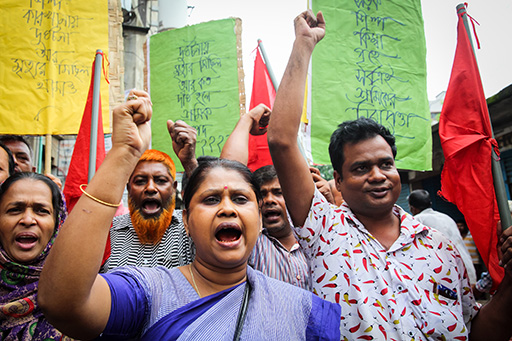
Playing a part in making positive change happen for people and planet is one of the most important and satisfying things you will do.
This course was designed to offer changemakers new perspectives on understanding how change happens and how to make change happen. We hope it has increased your awareness of your own power and potential to influence change and has strengthened your confidence as an agent of change.
All of us will face many challenges as we seek to make change happen. Understanding what these are and how to face them means having our minds firmly placed in the realities in which we live. Change takes time and is often achieved through small, sequential action that requires dogged persistence. But it also happens by grasping new opportunities or taking advantage of critical junctures and events that arise and ‘dancing with the system’.
Above all we hope that this course has inspired and motivated you to go out and make change happen in the world.
We wish you all the best.
Give us your feedback
Please do give us your feedback on this course so that we can understand what has worked and what we should improve for future learners.
You will find a post-course survey here. The anonymised results will be shared with the Oxfam learning team.
Note that your participation in this optional survey has no effect on your course progress, marks or OpenLearn Create profile. But if you want to be awarded an Oxfam/Open University course certificate for your learning, you will need to do the survey.
Thank you for your feedback and thank you for taking part in the course.
Further reading
8.10 End-of-unit quiz
In Unit 8 of this course, the topics have been – tackling challenges and taking your next steps, reflecting on change, adapting, and staying inspired and focused.
Now test your knowledge on what you have learned with this short quiz.
References
Better Evaluation (n.d) After action review [Online]. Available at: http://www.betterevaluation.org/ en/ evaluation-options/ after_action_review (Accessed 16 August 2023).
Freedom to Marry (n.d) Winning the Freedom to Marry Nationwide: The Inside Story of a Transformative Campaign [Online]. Available at: http://www.freedomtomarry.org/ pages/ how-it-happened (Accessed 16 August 2023).
Mayne, R., Kesmaecker-Wissing, M., Miziniak, J. and Knight, L. (2018) ‘Influencing Behaviours and Practices to Tackle Poverty and Injustice’, Oxfam Policy & Practice, 17 January [Online]. Available at: https://policy-practice.oxfam.org.uk/ publications/ influencing-behaviours-and-practices-to-tackle-poverty-and-injustice-620407 (Accessed 16 August 2023).
Shephard, D., Ellersiek, A., Meuer, J. and Rupietta, C. (2018) ‘Influencing Policy and Civic Space: A meta-review of Oxfam’s Policy Influence, Citizen Voice and Good Governance Effectiveness Reviews’, Oxfam Policy & Practice, 20 April [Online]. Available at: https://policy-practice.oxfam.org.uk/ publications/ influencing-policy-and-civic-space-a-meta-review-of-oxfams-policy-influence-cit-620462 (Accessed 16 August 2023).
Acknowledgements
Every effort has been made to contact copyright holders. If any have been inadvertently overlooked the publishers will be pleased to make the necessary arrangements at the first opportunity.
Grateful acknowledgement is made to the following sources:
Unit 1:
- Step 1.2: The course ahead: Pablo Tosco/Oxfam Intermón
- Step 1.6: Introduction to Unit 1 What kind of change are we talking about?: Yousif Al Shewaili/Oxfam
- Step 1.6 people as activists making change happen (OLC): Kishor Sharma/Oxfam
- Step 1.8: Three views on change (OLC): Andy Aitchison/Oxfam
- Step 1.9: What is change?: M.Nugie and Andito Wasi/Oxfam
- Step 1.14: Looking at change through different lenses: Aurelie Marrier d'Unienville/Oxfam
- Step 1.16: Summary of Unit 1: Banung Ou/Oxfam
Unit 2:
- Step 2.1: Introduction to Unit 2 Understanding the context of change: Elizabeth Stevens/Oxfam
- Step 2.2: Fabeha Monir on assignment for Oxfam in the Rohingya refugee camps, Cox’s Bazar. Courtesy of Mohammad Rakibul Hasan
- Step 2.4: What is your experience of making change happen?: Wikimedia Commons/ Daniel R. Strebe
- Step 2.6: A note about change and conflict: Livio Stöckli/Oxfam Novib
- Step 2.8: What will your change be?: Patrick Byuma/Oxfam
- Step 2.14: Summary of Unit 2: Zara Canfield/Oxfam
Unit 3:
- Step 3.1: Introduction to Unit 3 Taking a power and systems approach: Pablo Tosco/Oxfam Intermón
- Step 3.2: What is a system? (OLC): Andy Aitchison/Oxfam
- Step 3.6: 'Power' defined: Thoko Chikondi/Oxfam
- Step 3.7: Introducing power analysis: Mike Auerbach/Oxfam
- Step 3.8: Forms of power: Sam Tarling/Oxfam
- Step 3.10: Power analysis of your change goal: Elizabeth Stevens/Oxfam America
- Step 3.10: Summary of Unit 3 (OLC): Cynthia Matonhodze/Oxfam
Unit 4:
- Step 4.1: Introduction to Unit 4: The power of collective action (OLC): Kishor Sharma/Oxfam
- Step 4.2: What is the power of collective action? (OLC): Nana Kofi Acquah/Oxfam
- Step 4.3: What do we mean by collective action?: Natheer Halawani/Oxfam
- Step 4.4: How working with others achieves change: Dustin Barter/Oxfam
- Step 4.5: Nothing about us, without us (OLC): Elizabeth Stevens/Oxfam
- Step 4.7: Characteristics of effective changemakers (OLC): Edgar Martín-Blas/Oxfam
- Step 4.8: Leading from where you are: Fabeha Monir/Oxfam
- Step 4.11: Summary of Unit 4: Patrick Byuma/Oxfam
Unit 5:
- Step 5.1: Introduction to Unit 5: Spheres of influence (OLC): Fabeha Monir/Oxfam
- Step 5.2: Being influenced and influential: Pablo Tosco/Oxfam Intermon
- Step 5.3: What is influencing?: Mario Nio/Oxfam
- Step 5.5: Illustration of spheres of influence (OLC): Peter Irungu/Oxfam
- Step 5.8: Power mapping: Natheer Halawani
- Step 5.9: Influencing where space is restricted: Pablo Tosco/Oxfam
- Step 5.10: Identifying who you will work with and how: Natheer Halawani
- Step 5.13: Summary of Unit 5: Andy Aitchison/Oxfam
Unit 6:
- Step 6.1: Introduction to Unit 6 Developing strong messages for change: Thoko Chikondi/Oxfam
- Step 6.3: Narratives as a form of power (OLC): Moctar Tondi/Oxfam
- Step 6.4: Shifting the narrative around inequality: credit Oxfam en Peru
- Step 6.5: Developing your story of change: Sam Baggette/Oxfam
- Step 6.6: Clearly identifying your messages: James Akena/Oxfam Novib
- Step 6.7: Summary of Unit 6: OxfamAUS
Unit 7:
- Step 7.1: Introduction to Unit 7: Taking action to make change happen (OLC): David Levene/Oxfam
- Step 7.3: A huge range of possible influencing tactics: Sam Baggette/Oxfam
- Step 7.5: Checking your assumptions: Salahuddin Ahmed/Oxfam
- Step 7.6: Developing your action plan: Taiwo Aina/Oxfam
- Step 7.7: Understanding risks: M. Nugie and Andito Wasi/Oxfam
- Step 7.7: Preparing to mitigate risks: Keith Parsons/Oxfam
- Step 7.8: Preparing for action: Yousif Al Shewaili/Oxfam
- Step 7.9: Taking action (OLC): Fabeha Monir/Oxfam
- Step 7.10: Summary of Unit 7: Taiwo Aina/Oxfam
Unit 8:
- Step 8.1: Introduction to Unit 8 Tackling challenges and taking your next steps: Tania Moreno/Oxfam
- Step 8.3: Analyse, learn and adapt (OLC): M.Nugie and Andito Wasi/Oxfam
- Step 8.4: Facing challenges: Bas Geerdink/Oxfam
- Step 8.6: Pulling it all together to make change happen: Patrick Byuma/Oxfam
- Step 8.7: looking to the future: Percy Ramírez/Oxfam America
- Step 8.8: Join with other changemakers: Bas Geerdink/Oxfam
- Step 8.9: Conclusion to the course: GMB Akash/Panos/OxfamAUS