Use 'Print preview' to check the number of pages and printer settings.
Print functionality varies between browsers.
Printable page generated Saturday, 28 November 2026, 3:06 AM
Section 3: The United Nations Convention on the Rights of the Child
Section 3: The United Nations Convention on the Rights of the Child
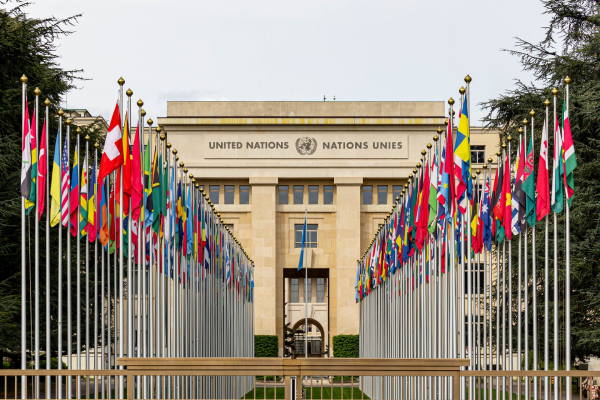
The United Nations Convention on the Rights of the Child (UNCRC) is an international human rights treaty that grants all children and young people a comprehensive set of rights. It covers a full range of civil, cultural, economic, political, and social rights as well as aspects of international law.
The UK signed the convention on 19 April 1990, ratified it on 16 December 1991 and it came into force on 15 January 1992. A total of 196 countries have signed up to the UNCRC, with only one country, the USA, still to ratify. All countries that sign up to the UNCRC are bound by international law to ensure that it is implemented. This is monitored by the UN Committee on the Rights of the Child and countries report to the Committee on a cyclical basis.
What does the UNCRC say?
The UNCRC contains 54 articles, which cover all aspects of a child’s life and explain how those in power must work together to ensure that all children and young people can enjoy their rights.
Under the terms of the Convention, governments are required to meet children’s basic needs and help them reach their full potential.
- Articles 1–42 of the UNCRC cover the rights that children are entitled to, and include rights to rest and play, to the highest attainable standard of health and to care and support if they need it.
- Articles 43–54 cover how these rights are monitored and implemented.
These articles cover a range of areas but can be grouped into three broad categories:
- protection from harm and abuse
- provision of the things and services that children and young people need to thrive
- participation: having a voice or say in decisions that affect them.
Children’s rights are interdependent. They rely on each other to be effective. For example, children have the right to information in ways they can understand (Article 17). This allows them to make informed choices about decisions that affect them (Article 12).
Now, move on to Section 4: Children's rights in Scotland: How does the law protect children's rights?