Modern slavery
Use 'Print preview' to check the number of pages and printer settings.
Print functionality varies between browsers.
Printable page generated Wednesday, 1 April 2026, 9:35 AM
Modern slavery
Introduction
The topic of this free course is modern slavery. While slavery was abolished in the nineteenth century, it continues in the modern world and affects millions of people worldwide. Modern slavery takes various forms, e.g. trafficking in human beings (THB), forced labour and bonded labour. THB is a complex issue, which poses a challenge to legal regulation, particularly in a human rights context. It is an excellent and timely example of modern slavery, which is likely to challenge existing preconceptions about slavery and human rights protection in the twenty-first century.
This course will outline the historical aspects of slavery and the relevant legal instruments prohibiting slavery. The course will then focus on learning and analysing the topic of twenty-first century slavery, such as THB, child slavery (bonded labour) and other forms of forced labour. The course will introduce the concept of THB and its elements. It will also look at the case examples of THB in the UK.
Throughout this course, there will be an opportunity to consider various examples of modern slavery and apply knowledge about human rights law to this contemporary problem. At the end of this course are questions considering possible solutions to the problem of modern slavery. For example, there will be an opportunity to critically analyse and reflect on the Modern Slavery Act 2015.
This OpenLearn course is an adapted extract from the Open University course W102 Law: concepts and perspectives.
Learning outcomes
After studying this course, you should be able to:
understand the historical origins of slavery as well as examples of slavery
understand the international legal framework prohibiting slavery
understand the concept of modern slavery and its various forms
analyse the applicable law and apply it to a given example/case study
critically analyse and evaluate proposals for new legislation addressing modern slavery.
1 What is (modern) slavery?
The term ‘modern slavery’ is used in two ways:
- It is used to distinguish two types of slavery: slavery in the twenty-first century and historical examples of slavery, such as the transatlantic slave trade.
- It describes various forms of slavery that have become prominent in contemporary times, such as THB. This highlights the changing and varied forms of slavery.
Before considering the modern forms of slavery, it is useful to learn about and reflect on the historical perspectives on slavery and its abolition.
Activity 1 Slavery vs freedom
In your own words, how would you define slavery? What, in your opinion, are the key elements characterising slavery? In contrast, how would you define freedom?
Discussion
Your answers to these questions may vary, depending on your personal view. However, despite the changes in forms of slavery over the centuries, the overarching concept of it remains the same. Slavery – whether historical or modern day – has certain key elements. The concept of slavery rests primarily on the notion of exercising powers of ownership and control over another person. It is also linked to the restriction of freedom of movement and forced labour.
Generally, freedom means an ability to do something without any restrictions being imposed. Freedom may relate to various entitlements to do something, e.g. freedom of movement or freedom of expression.
1.1 Slavery – a historical perspective
Slavery existed for millennia until it was abolished in the nineteenth century. It was particularly common in ancient times, when it was a generally accepted practice, both socially and legally. For Aristotle, slavery was natural: ‘That one should command and another obey is both necessary and expedient. Indeed some things are so divided right from birth, some to rule, some to be ruled’ (1981, p. 67).
The earliest forms of slavery can be traced back to ancient Mesopotamia in the sixty-ninth century BC. Slavery was closely connected to building empires in the ancient world. It was a common feature among ancient societies and superpowers such as Babylon, Egypt and the Roman Empire, which made intensive use of slaves in achieving political and economic expansion. Captives were often taken from conquered nations as booty in wars, and subsequently deprived of their freedom and forced into labour. For example, ‘The city of Rome contained a slave population of nearly 40% in the 1st century CE’ (Weissbrodt, 2007). The slave in the Roman Empire had no legal status as a person. They were treated as chattels and had no individual rights. The masters exercised full control and ownership over their slaves. This included the right to seek a legal remedy if another person injured or killed their slave(s).
Box 1 The status of slaves in Roman law
A slave’s status combined subjection with disability. As regards subjection, he or she was subject to the slave owner’s orders. A slave could be sold, given as a gift, left by the owner’s last will, surrendered for a wrong committed by the slave, mortgaged or pledged for the owner’s debts. Slaves did not control their own way of life. They were items of property, things (res) in the legal sense. Unlike a free person, they had no rights enforceable by law. But they were nevertheless persons (…). Roman law, then, made an effort to deal with the paradox that, legally speaking, these items of property were human beings who, like free people, took part in ordinary life. They had families and friends. They could be doctors, actors, teachers, bookkeepers, bankers, agents, farmers, actuaries, philosophers. But they did not have the legal standing of free people: the capacity to have rights in law, to own property, to make contracts, marriages and wills, to sue and be sued in the civil courts.
Slavery continued in the Middle Ages. In Europe, a system of serfdom became a particularly common form of slavery. Serfdom describes a relationship where one person is forced to live and work on land belonging to another person. The reward for labour is optional, but the person subjected to serfdom is unable to change their status. Furthermore, the status of a serf was hereditary in nature, which often affected entire families.
In the late fourteenth century, following the Black Death, Europe began to engage in the transatlantic slave trade. The slave trade operated within the ‘triangle’ – traders’ ships were leaving Europe for West Africa, where African slaves were bought in exchange for goods from Europe. From West Africa, the ships sailed with the slaves for the ‘New World’ of the Americas and the Caribbean. The journey was referred to as the ‘Middle Passage’ and lasted for 6–8 weeks.
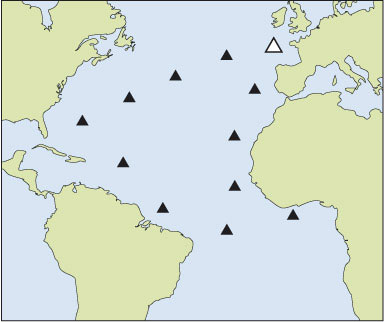
Conditions on-board slave ships were deplorable, with many slaves dying due to malnutrition, exhaustion, cruelty or violence. Upon arrival in the New World, the slaves who survived the journey were sold to carry out work, particularly on plantations in European colonies. In exchange for slaves, the European traders received locally produced goods such as coffee, sugar, tobacco or cotton. The transatlantic slave trade was particularly common among European countries that had colonies in the Caribbean and in South America, such as Britain or Spain. Enslavement in the New World continued until the nineteenth century and the emergence of the abolition movement.
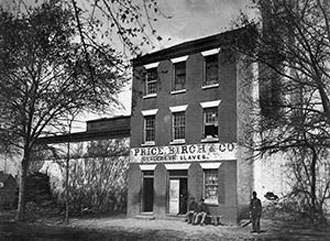
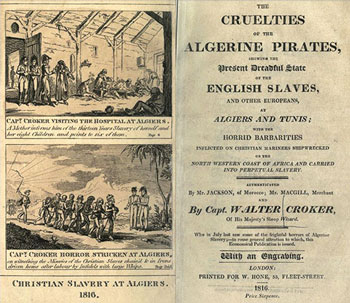
However, slavery in the early modern period was not confined only to the transatlantic trade. Some Europeans were also captured and turned into slaves by pirates from the Barbary Coast, who carried out attacks on European ships. Barbary pirates (or Barbary corsairs) originated primarily from North African countries and operated from the ports in Algiers, Tunis and Tripoli (also referred to as the Barbary Coast), and across the Mediterranean, going as far as North and South America. Barbary pirates carried out raids on European ports and coastal towns, where they captured white Christians, who were later sold into slavery across the Ottoman Empire and in North African countries. It is estimated that 1–1.25 million Europeans were captured and sold into slavery by the Barbary pirates between the sixteenth and nineteenth centuries (Davis, 2004, pp. 8–23).
1.1.1 Abolition of slavery
The beginnings of the abolition movement, which aimed at the universal abolition of slavery, took place in the late eighteenth and early nineteenth centuries. In Europe, the French Declaration of the Rights of Man and Citizens 1789, a fundamental document of the French Revolution, was first to declare the equality of all people. Article 1 of the Declaration stated: ‘Men are born and remain free and equal in rights’. While the Declaration did not explicitly refer to the abolition of slavery, it marked the beginnings of guaranteeing equality and freedom to all people, without distinction – a principle, which is the cornerstone of modern international human rights law. France officially abolished the slave trade in 1818.
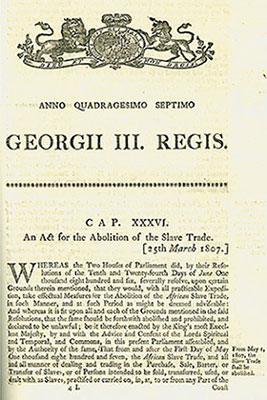
In Britain, various efforts were made to advocate the prohibition of slavery. In 1789 (just a few months prior to adoption of the French Declaration), William Wilberforce gave a famous speech on abolition of slavery before the House of Commons. This led to the enactment of the Abolition of the Slave Trade Act 1807, prohibiting the slave trade in the British colonies as well as making it illegal to carry slaves in British ships.
Activity 2 Somerset v Stewart (1772) 98 ER 499
Question 1
Read the case of Somerset v Stewart (1772) 98 ER 499. Consider the facts of the case, the arguments advanced by Mr Hargrave and the judgment of Lord Mansfield.
What were the facts of this case? Outline the facts in no more than 120 words.
Discussion
The case concerned a black slave from Virginia, Mr Somerset, who was brought to London in 1769 by Mr Stewart, then his master. After two years in England, Somerset escaped his master. Stewart arranged to have Somerset captured and put on Captain Knowles’ ship, which was bound for Jamaica. Several British abolitionists intervened on behalf of Somerset. They filed a habeas corpus writ, a legal petition that required the Court of King’s Bench to review the legality of a prisoner’s detention. The question before the Court was whether the detention of Somerset by Stewart was lawful.
Question 2
What was Britain’s legal position regarding slavery at the time? Was it prohibited?
Discussion
Slavery was not legally abolished in Britain at that time. However, Hargrave argued that the law of England is not applicable to the slavery of British colonies in America, or in other countries (p. 501). He indicated that while slavery might be permitted in the colonies, it was not permitted by the law of England.
Question 3
What were the arguments advanced by Mr Hargrave for Somerset’s freedom?
Discussion
Hargrave’s arguments start by outlining the common elements characterising slavery and its detrimental impact, focusing especially on the moral aspects of it. Hargrave relies on the opinions of (then) modern writers on slavery and its rather limited utility. He then considers the lawfulness of slavery and relies on Locke’s approach against slavery. He states: ‘[it is] very doubtful whether the laws of England will permit a man to bind himself by contract to serve for life: certainly will not suffer him to invest another man with despotism, nor prevent his own right to dispose of property’ (p. 500).
Question 4
What was held in this case? How does the judgment inform you about the attitude towards slavery in 1772 in Britain?
Discussion
It was held by Lord Mansfield that Somerset was illegally detained and was free to be discharged.
The decision of Lord Mansfield was a great victory for the abolitionist movement. It was interpreted by the public and later justices as having the effect of abolishing slavery.
Britain forbade slavery across the British Empire in 1833 following the enactment of the Act for the Abolition of Slavery 1833. The adoption of this legislation granted freedom to all slaves in Britain and made slavery illegal.
Steps towards the abolition of slavery were also taken overseas. Following the uprising of slaves in 1791, Haiti (a French colony at the time) became one of the first colonies to abolish slavery. In the United States of America, the US Congress forbade the importation of slaves in 1808. In 1863 the US President, Abraham Lincoln, issued the Emancipation Proclamation (1863), declaring ‘all persons held as slaves within any State or designated part of a State, the people whereof shall then be in rebellion against the United States, shall be then, thenceforward, and forever free’. However, it was not until the end of the Civil War in 1865 that the 13th Amendment to the United States Constitution abolished slavery and involuntary servitude in the United States. The 13th Amendment stated that ‘Neither slavery nor involuntary servitude, except as a punishment for crime whereof the party shall have been duly convicted, shall exist within the United States, or any place subject to their jurisdiction’, effectively rendering slavery illegal in the United States.
The last country in the world to abolish slavery was Mauritania in 1981.
1.2 Wartime slavery in the twentieth century
Slavery was a common feature and a consequence of many historical armed conflicts. However, wartime slavery also took place in the twentieth century. During World War II, many prisoners of war as well as civilians were sent to labour camps, where they were forced to work for no remuneration. During the Holocaust, hundreds of thousands of victims of the Nazi regime were also forced to carry out work in concentration camps. On the Far East front, the Japanese military forced between 50,000 and 200,000 women and girls, primarily of Korean, Chinese or Philippine origin, into sexual slavery and forced prostitution (Sarah Soh, 2001). They were often referred to as ‘comfort women’.
Sexual slavery was also a feature of conflicts in the late twentieth century (former Yugoslavia) and in the early twenty-first century (Sierra Leone). The Rome Statute on the International Criminal Court 1998 (ICC Statute) codifies enslavement and sexual slavery as crimes against humanity.
2 Prohibition of slavery – an international law perspective
Slavery is considered a serious violation of international law. The prohibition of slavery exists in customary international law but also has a jus cogens status, making it the highest norm of international law. Slavery is prohibited in various international treaties, particularly the Convention to Suppress the Slave Trade and Slavery 1926 (the Slavery Convention 1926).
2.1 The Slavery Convention 1926
The Slavery Convention was adopted by the League of Nations in 1926 and came into force a year later, obliging states ‘to prevent and suppress the slave trade’, and recognised a need ‘to prevent forced labour from developing into conditions analogous to slavery’.
Activity 3 The Slavery Convention
Use an internet search engine to find the Slavery Convention 1926 and look for an article, which defines slavery. How is it defined in the Convention and what are the key elements of the definition?
Discussion
Slavery is defined in Article 1 as:
- Slavery is the status or condition of a person over whom any or all of the powers attaching to the right of ownership are exercised.
- The slave trade includes all acts involved in the capture, acquisition or disposal of a person with intent to reduce him to slavery; all acts involved in the acquisition of a slave with a view to selling or exchanging him; all acts of disposal by sale or exchange of a slave acquired with a view to being sold or exchanged, and, in general, every act of trade or transport in slaves.
The definition focuses on the notion of ownership, indicating that a person could be bought or sold and therefore, owned by another person. With slavery outlawed over a century ago, it is no longer possible to legally own another person. However, international law now recognises that a person still may be kept and treated as a slave despite the absence of legal ownership.
2.2 International human rights instruments
Slavery is expressly prohibited in the key international human rights instruments.
Box 2 Article 4 of the Universal Declaration of Human Rights 1948 (UDHR):
No one shall be held in slavery or servitude; slavery and the slave trade shall be prohibited in all their forms.
Box 3 Article 8 of the International Covenant on Civil and Political Rights 1966 (ICCPR):
- No one shall be held in slavery; slavery and the slave-trade in all their forms shall be prohibited.
- No one shall be held in servitude.
- No one shall be required to perform forced or compulsory labour.
Other human rights treaties indirectly address forced or exploitative labour and trafficking by stressing the right to work for fair remuneration.
Box 4 Article 6(1) of the International Covenant on Economic, Social and Cultural Rights 1966 (ICESCR):
The States Parties to the present Covenant recognize the right to work, which includes the right of everyone to the opportunity to gain his living by work which he freely chooses or accepts, and will take appropriate steps to safeguard this right.
Box 5 Article 7 ICESCR:
The State Parties to the present Covenant recognize the right of everyone to the enjoyment of just and favourable conditions of work which ensure, in particular:
- a.Remuneration which provides all workers, as a minimum, with:
- Fair wages and equal remuneration for work of equal value without distinction of any kind, in particular women being guaranteed conditions of work not inferior to those enjoyed by men, with equal pay for equal work;
- A decent living for themselves and their families in accordance with the provisions of the present Covenant;
- b.Safe and healthy working conditions;
- c.Equal opportunity for everyone to be promoted in his employment to an appropriate higher level, subject to no considerations other than those of seniority and competence;
- d.Rest, leisure and reasonable limitation of working hours and periodic holidays with pay, as well as remuneration for public holidays.
2.3 Regional human rights instruments
Regional human rights instruments also contain provisions prohibiting slavery. The European Convention on Human Rights 1950 (ECHR) provides in Article 4 that ‘No one shall be held in slavery or servitude’ and that ‘No one shall be required to perform forced or compulsory labour’. In addition, on 1 February 2008, the Council of Europe Convention on Action Against Trafficking in Human Beings came into force. The Convention aims to prevent trafficking in human beings, protect victims of trafficking, prosecute traffickers, and promote co-ordination of national actions and international co-operation.
Article 6 of the American Convention on Human Rights (ACHR) 1969 contains similar provisions to ECHR 1950. In addition, it specifically prohibits ‘traffic in women’, which is interesting given the time when this instrument was adopted. The African Charter on Human and People’s Rights (ACHPR) 1981 presents a different approach to slavery. It treats slavery as a form of degradation alongside torture.
Article 5 of the Banjul Charter states:
Every individual shall have the right to the respect of the dignity inherent in a human being and to the recognition of his legal status. All forms of exploitation and degradation of man, particularly slavery, slave trade, torture, cruel, inhuman or degrading punishment and treatment shall be prohibited.
Activity 4 Slavery: the state’s human rights obligations
Question 1
Read paragraphs 1–29 and 62–89 of the judgment of the Economic Community of West African States (ECOWAS) Community Court of Justice in Hadijatou Mani Koraou v The Republic of Niger, ECW/CCJ/JUD/06/08, 27 October 2008.
What are the facts in this case?
Discussion
At the age of 12, Ms Mani had effectively been sold into the ownership of a tribal chief, who was 34 years her elder. In accordance with the practice in Niger called Wahiya, the applicant was obliged to live with him for several years and to perform domestic duties. She also had four children with him. On 18 August 2005, the tribal chief to whom she had been sold, gave Ms Mani a liberation certificate from slavery, effectively rendering her ‘free’. The certificate was signed by her, the tribal chief and the chief of the village. Nonetheless, she was denied permission to leave the house of her master who claimed that she was still his wife. Ms Mani left the house and did not intend to return.
Question 2
Was the Republic of Niger found in violation of Ms Mani’s human rights? If so, which ones?
Discussion
Yes, Niger was found to be in violation of Article 5 of the ACHPR 1981 (prohibition of slavery). The Court held that Niger was in violation of its duty to protect Ms Mani from slavery.
Question 3
How did the ECOWAS Community Court of Justice approach the issue of slavery in the applicant’s case? What characteristics were used?
Discussion
The Court considered factors indicating enslavement, which were outlined in the ICTY judgment in Prosecutor v Kunarac et al (Judgment) IT-96-23 & IT -96923/1-T (22 February 2001). These are: ‘control of someone’s movement, control of physical environment, psychological control, measures taken to prevent or deter escape, force, threat of force or coercion, duration, assertion of exclusivity, subjection to cruel treatment and abuse, control of sexuality and forced labour’ (para. 77). Many of these factors were present in Ms Mani’s case. The Court expressed the view that the chief of the tribe had a clear intention of exercising powers of ownership over Ms Mani even after he freed her (para. 80).
2.4 International Labour Organisation (ILO)
The International Labour Organisation (ILO) was created in the aftermath of World War I, as part of the Treaty of Versailles (1919). It was believed at the time that universal and lasting peace could be accomplished only if it was based on social justice. The creation of the ILO reflected this belief, and it was hoped that the organisation would promote this goal. Following the creation of the UN, the ILO became a UN specialised agency in 1946. The ILO’s work focuses on labour issues, such as setting the minimum age of workers, establishing standards for working conditions, including safety and health at work, providing social protection for workers, and fighting discrimination in the workplace.
The ILO has adopted several conventions (all open for signature and ratification by state parties) addressing forced and exploitative labour:
- International Labour Organisation Forced Labour Convention 1930 (No 29)
Defined forced labour as ‘all work or service which is exacted from any person under the menace of any penalty’, which has not been offered voluntarily.
In June 2014, the ILO adopted a new legally binding Protocol to the Forced Labour Convention 1930, which is designed to strengthen global efforts to eliminate forced labour. The Protocol strengthens the international legal framework by creating new obligations to prevent forced labour, to protect victims and to provide access to remedy, such as compensation for material and physical harm.
- International Labour Organisation Abolition of Forced Labour Convention 1957 (No 105)
Obliges governments to suppress ‘any form of forced or compulsory labour’.
- International Labour Organization Worst Forms of Child Labour 1999 Convention (No 182)
Addresses the difficulty in distinguishing between excessive and exploitative forms of child labour and identifies the ‘worst forms’, such as slavery, debt bondage, forced labour, forced recruitment for armed forces, prostitution and drug trafficking.
3 Modern slavery – trafficking human beings (THB)
You start this section by thinking about what THB entails.
Activity 5 What is THB?
Consider the following questions:
- a.What, in your opinion, is THB?
- b.What does it involve?
- c.Who is involved in THB?
Discussion
Watch this cartoon, which defines THB.
Transcript: Activity 5 What is THB?
Trafficking in human beings (THB) is a crime, which has a strong human rights dimension. It involves the recruitment of the victim and their transportation to another state or within the same state for the purposes of exploitation. Victims of trafficking are subjected to various forms of exploitation that often vary according to their age and gender. It is commonly believed that THB happens predominantly for the purposes of sexual exploitation of women and girls. This form of exploitation is certainly one of the key motivations for trafficking. However, trafficking happens for other reasons too and it affects both women and men. Some of the other purposes of THB include:
- work in sweatshops
- domestic labour
- work in agriculture, mines, factories and fishing
- forced marriage
- organ transplants
- sport (e.g. camel jockeys)
- adoption
- begging.
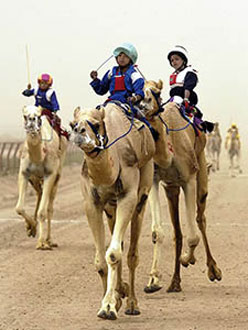
There are many misconceptions about THB, especially regarding the perception of victims. Very often, it is assumed that victims of trafficking are only women and that they are trafficked only for sexual exploitation. Another myth is that trafficking happens only in Eastern Europe or in poor and third world countries, and that Western countries are not facing this problem. Finally, victims are often perceived to have consented to being trafficked. This is hugely incorrect.
At the time of giving consent, victims very often do not know the true and full extent of what they are consenting to. For instance, a victim of THB may have consented to working abroad in an agricultural job and believed that they will be able to keep their earnings. However, upon arrival in the country of destination, the person might have their documents confiscated by the traffickers and be forced to carry out agricultural labour for little or no money. It is not uncommon that only upon the arrival, a victim of THB is forced into different types of work to which they did not consent, e.g. prostitution. Finally, it is extremely hard to believe that anyone could give real consent to forced labour, exploitation, being subjected to extreme violence, ill treatment and blackmail, which are often associated with the reality faced by the victims of THB.
The video, Work Abroad (2008) produced by the United Nations Office on Drugs and Crime, illustrates some misconceptions of victims of THB that are discussed above. Please note that there is no verbal soundtrack to the video.
3.1 The victims and perpetrators of THB
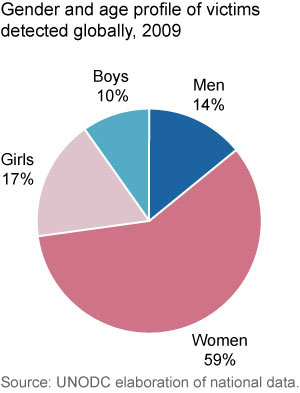
Having learnt about some of the myths surrounding victims of THB, you'll now look at the statistics on THB from the Global Report on Trafficking in Persons (United Nations Office on Drugs and Crime (UNODC), 2012).
Activity 6 Who are the victims and perpetrators of THB?
Analyse the statistics below and answer the following questions.
Question 1
What gender are the majority of the victims? What proportion of the victims are male?
Comment
The vast majority (76 per cent) of victims of THB are female. Nearly a quarter of the victims (24 per cent) are male.
Question 2
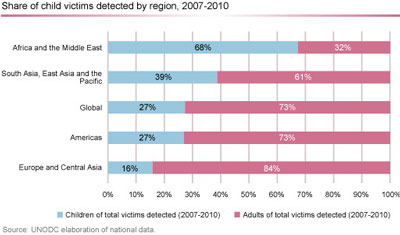
Analyse the chart below. In which region of the world are the majority of victims children and in which region are they predominantly adult?
Comment
Children amount to 68 per cent of the victims of trafficking in Africa and in the Middle East. In contrast, in Europe and Central Asia, children constitute only 16 per cent of the overall number of victims. The majority of victims in Europe and Central Asia are adults (84 per cent).
Question 3
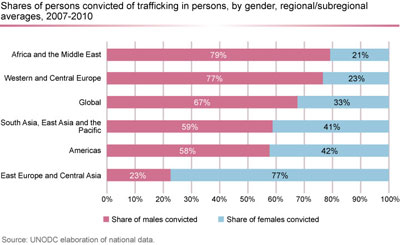
Analyse the chart below. Who are the perpetrators of THB? Have you noticed anything surprising in the statistics on perpetrators?
Comment
Apart from Eastern Europe and Central Asia, the majority of convicted perpetrators are male. The proportion of male perpetrators in other geographic regions is between 58 per cent (Americas) and 79 per cent (Africa and the Middle East).
Interestingly, in Eastern Europe and in Central Asia, women amount to over three quarters (77 per cent) of the convicted perpetrators of THB. Qualitative studies suggest that women involved in human trafficking are normally found in low-ranking positions of the trafficking networks and carry out duties that are more exposed to the risk of detection and prosecution, than those of male traffickers.
3.2 The legal framework regulating THB
At an international level, very few instruments directly address human trafficking. The main international instrument, which prohibits THB is the Protocol to Prevent, Suppress and Punish Trafficking in Persons, Especially Women and Children, Supplementing the United Nations Convention against Transnational Organised Crime 2000 (the Palermo Protocol).
Article 3 of the Palermo Protocol defines THB as the following:
‘Trafficking in persons’ shall mean the recruitment, transportation, transfer, harbouring or receipt of persons, by means of the threat or use of force or other forms of coercion, of abduction, of fraud, of deception, of the abuse of power or of a position of vulnerability or of the giving or receiving of payments or benefits to achieve the consent of a person having control over another person, for the purpose of exploitation. Exploitation shall include, at a minimum, the exploitation of the prostitution of others or other forms of sexual exploitation, forced labour or services, slavery or practices similar to slavery, servitude or the removal of organs.
This definition refers to three key elements of THB: the act, the means and the purpose.
In addition, Article 5 of the Palermo Protocol obliges states to criminalise THB and Article 6 requires states to ‘consider implementing measures to provide for the physical, psychological and social recovery of victims of trafficking’.
Trafficking of children is also specifically addressed in Article 34 of the Convention on the Rights of the Child 1989 (CRC) and in the Optional Protocol to the CRC on the Sale of Children, Child Prostitution and Child Pornography 2000.
Efforts to combat THB have gone much further at the regional level. Article 6 of the ACHR 1969 explicitly prohibits the trafficking of women. In Europe in 2005, the Council of Europe adopted a Convention on Action Against Trafficking in Human Beings. The Convention focuses primarily on the protection of victims of trafficking and the safeguarding of their rights. It also aims to prevent trafficking as well as prosecute traffickers.
The Convention applies to all forms of trafficking; national or transnational, related or non-related to organised crime, all victims (women, men or children) and all forms of exploitation (sexual exploitation, forced labour or services, etc.). The Convention has an independent monitoring mechanism guaranteeing parties’ compliance with its provisions. The Group of Experts on Action against Trafficking in Human Beings (GRETA) was established and tasked with overseeing the implementation of the Convention by the state parties.
3.3 Is THB a human rights issue?
THB is usually committed by private persons or groups of individuals. Individuals cannot be directly liable for violations of human rights. Therefore, traffickers cannot be responsible for breaching a victim’s human rights. The perpetrators can be liable for breaches of criminal law (within one or many states), laws related to transnational organised crime, immigration laws and employment laws.
However, THB has a strong human rights dimension. Firstly, THB can amount to a human rights violation if it can be shown that a state was complicit in committing THB. For example, this requirement may be satisfied in cases of corrupt governmental officials who facilitate or are involved in THB. Secondly, even in the absence of direct state involvement, THB may still give rise to state responsibility for human rights violations. States have a positive duty to take appropriate measures or to exercise due diligence to prevent, punish, investigate or redress the harm caused by acts committed by private persons, which impair the enjoyment of human rights; these are enshrined in international human rights conventions (UN Human Rights Committee, 2004, para. 8). This means that it is not enough for states merely to acknowledge their obligations stemming from human rights instruments – they need to take active steps to ensure the enjoyment of human rights of all persons within the state’s jurisdiction. If a state fails to take measures to prevent trafficking, or to protect victims or potential victims, it may be found in violation of its human rights obligations.
Box 6 Is THB a human rights violation?
It is incorrect to say that people trafficking is a breach of human rights for the same reason that it is incorrect to say that 2+2=5: because it is wrong and there is an inherent good in getting things right. (…) THB is usually a private criminal act or enterprise- one or more private citizens are involved in the recruitment and transport of the victim, the trafficker (or somebody else) takes physical control over the activities and movement of the victim, and they (or somebody else) then exploit the labor of the victim for their own gain. In the absence of state involvement, for instance through complicity or neglect, it is hard to see why THB is anything more than a crime just like, say, murder, or theft. This is in no way to belittle the seriousness of THB and the harm it causes to victims. Nevertheless, human rights obligations are owed by States, not traffickers, murderers and car thieves. (…)
Why does this matter?
I suggest that there are two very good reasons why we should be as clear as possible about what, legally, is happening when THB occurs. The first is the conceptual one. It is undesirable to assert that a particular practice, however obnoxious and damaging to its victims, is a breach of human rights if it is not. Many writers argue vehemently and persuasively that THB breaches human rights but none appears to overcome the dilemma that we are dealing with a crime, just like murder, theft and speeding. I would suggest that the reason alone is sufficient justification for reconsidering how we, as lawyers, perceive THB. But there is another reasons, a very pragmatic one, why we should treat THB primarily as a crime. By recognising what is going on, we can perhaps use existing law more effectively as well as focusing resources for, and efforts towards, law reform and development more successfully.
3.3.1 Rantsev v Cyprus and Russia
The positive human rights obligations of states, in respect of the prevention of slavery and forced labour, were confirmed by the European Court of Human Rights in Rantsev v Cyprus and Russia (Application No 25965/04) (unreported) given 7 January 2010, ECtHR.
Box 7 Rantsev v Cyprus and Russia (Application No 25965/04) (unreported) given 7 January 2010, ECtHR
Oxana Rantseva was a 20-year-old Russian woman recruited to work as an ‘artiste’ in Cyprus. She was trafficked to Cyprus, a destination country for women trafficked from Eastern and Central Europe, for the purpose of sexual exploitation. While in Cyprus, she was subjected to sexual exploitation in a cabaret in the island’s largest coastal resort, Limassol. Shortly after her arrival in Cyprus, Miss Rantseva died in suspicious circumstances. Miss Rantseva was found dead in March 2001 below the balcony of an apartment belonging to an employee of the cabaret, having been taken there from a police station by the cabaret’s owner.
Her death led to a report by Cypriot Ombudsman on the existing system of entry and employment of women on ‘artiste’ visas in Cyprus. The report indicated that in fact these women were working as prostitutes in key entertainment venues in Cyprus. Importantly, it was shown that the Cypriot state was aware of this situation and the risk posed to the women involved in this line of work.
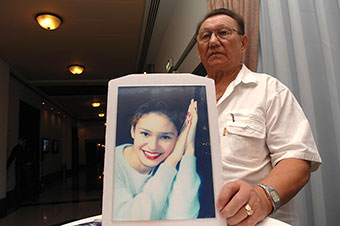
The case was brought by Nikolay Rantsev, Miss Rantsev’s father. He argued that there was no adequate investigation into the circumstances surrounding his daughter’s death and that she was inadequately protected by Cypriot police while she was alive. He also claimed that there was a complete failure of the Cypriot justice system to punish the individuals responsible for exposing his daughter to the sexual exploitation and ill treatment, which ultimately led to her death. The European Court of Human Rights (ECtHR) found that Cyprus had not only failed to protect Miss Rantsev from being trafficked or from being unlawfully detained prior to her death, but it had also failed to adequately investigate her death. Russia, as the state of origin, was found by the Court to have failed to adequately investigate the way in which Miss Rantsev had been trafficked from Russia to Cyprus.
Rantsev is an important decision on the human rights dimension of THB. Considering the extent of states’ obligations under Article 4 of the ECHR (prohibition of slavery, servitude and forced labour), the ECtHR held that a state might be obliged to go further than merely enacting legislation in order to meet its obligations under Article 4 ECHR. This is particularly the case where ‘the state authorities were aware, or ought to have been aware, of circumstances giving rise to a credible suspicion that an identified individual had been, or was at real and immediate risk of being trafficked or exploited (…) In case of an answer in the affirmative, there will be a violation of Article 4 of the Convention where the authorities fail to take appropriate measures within the scope of their powers to remove the individual from that situation or risk’ (Rantsev, para. 286). This means that states have positive obligations to prevent THB and to afford protection to persons who are victims of THB or might be at risk of becoming victims.
The judgment in Rantsev also shows the modern understanding of the definition of slavery. Activity 3 considered the definition of slavery in the Slavery Convention 1926, which rests on the notion of the ownership of another person. In the modern world, where slavery has been abolished, it is no longer possible to legally own another person. However, it is becoming clear that common features between THB and the practices of slavery, forced labour or servitude exist. The ECtHR demonstrated these common features in Rantsev, emphasising that: ‘trafficking in human beings, by its very nature and aim of exploitation, is based on the exercise of powers attaching to the right of ownership. It treats human beings as commodities to be bought and sold and put to forced labour, often for little or no payment. (…) It involves the use of violence and threats against victims, who live and work under poor conditions’ (para. 281). This contemporary interpretation of slavery also means that international law instruments, which do not explicitly mention THB, may nonetheless prohibit it because of the presence of common features between concepts of modern and historical slavery.
3.4 Case in focus – child trafficking in Scotland
In this section, you will be asked to apply your knowledge of the legal framework regarding THB in the context of the research report on child trafficking in Scotland.
Activity 7 Child trafficking in Scotland – a case study
Part 1
Read the following parts of the report, Scotland: a Safe Place for Child Traffickers? (2011) by Scotland’s Commissioner for Children and Young People and the Centre for Rural Childhood.
- Executive Summary (paras 1–1.2, 2.4–2.6.2, 3.1–3.3.1 and 3.6–5)
- Table 1 on p. 40 (Screen reader users please follow this link for an accessible version of this table)
- Chapter 5: Recommendations (pp. 74–76).
While reading, take notes of the key points, which will help you build answers to the following questions:
- a.What are the characteristic features of child trafficking?
- b.What are suggested root causes of child trafficking?
- c.Based on the information provided in Table 1, what was the age and gender of the youngest victim of child trafficking in Scotland? What type of exploitation was the child a victim of?
- d.What are the key challenges to combating child trafficking in Scotland?
Comment
- a.Children are a particularly vulnerable group. Due to their age, they have particular needs as victims of THB and may be in need of additional protection and support. The clandestine nature of THB makes it difficult to fully assess the number of victims.
- b.The report suggests several factors, which contribute to child trafficking. The situations in victims’ countries of origin, such as human rights abuses, armed conflicts or marginalisation of some groups of children are important factors to consider. Furthermore, structural inequalities, e.g. poverty, unequal opportunities for children living in rural and urban environments, discrimination due to gender, age or ethnicity, potentially exacerbate the risks of children becoming victims of trafficking.
- c.The youngest victim presented in the report was a 2-year-old girl. She was trafficked to Scotland from Portugal for the purposes of benefit fraud.
- d.The report notes the clash between the commitment of the UK Government to fight trafficking and the reality of a shortage of adequately trained police officers to deal with child trafficking. The low rate of prosecutions supports the view that child trafficking is a low-risk/high-profit activity and the likely impunity for THB encourages this activity.
The extent of child trafficking is often underestimated and there is an alarming lack of awareness of it among members of the society. There are also some procedural barriers, such as shortage of trained interpreters and lack of awareness of cultural issues in a victim’s country of origin among professional staff.
Due to shortages of resources, specific needs of child victims are often not being met.
Part 2
In this part of the activity, you are asked to consider parts of The Fifth Periodic Report to the UN Committee on the Rights of the Child submitted by the UK Government in May 2014. Look at the extract of the report and answer the following questions:
- a.Why is the UK submitting the report to the Committee on the Rights of the Child and what is the report about?
- b.What are the key recommendations to the UK Government made in 2011 in the report on child trafficking in Scotland?
- c.Looking at the 2014 UK’s report to the CRC, what are the key achievements of the UK Government in combating child trafficking?
Comment
- a.The UK is a party to the CRC 1989 and the two optional protocols to the CRC. The UK Government is, therefore, obliged to submit a periodic report. A report is submitted every five years (the last one was submitted in October 2008) and then the Committee reviews it and makes recommendations. The content of the report outlines steps taken by the UK Government in the past five years to address the recommendations of the Committee arising from the previous periodic report (October 2008). Headings in bold indicate the topic of the recommendation.
- b.The report recommends the ratification of the key European instrument addressing child trafficking: the Council of Europe Convention on the Protection of Children Against Sexual Exploitation and Sexual Abuse. The reports suggest several procedural changes. In particular, it calls for the implementation of child-sensitive procedures and child-sensitive training of the staff who deal with trafficked children. Finally, it is suggested that a human trafficking rapporteur focusing on the needs of children and young people should be appointed.
- c.The UK Government has taken some significant steps towards combating THB, particularly in the form of developing legislation on modern slavery (Modern Slavery Bill 2013, which became the Modern Slavery Act 2015). In April 2013 the UK also ratified the European Union Directive 2011/36/EU on preventing and combating trafficking in human beings and protecting its victims. However, at the time of writing (June 2015), the UK still has not ratified the Council of Europe Convention on the Protection of Children Against Sexual Exploitation and Sexual Abuse. Nonetheless, the UK has ratified the Council of Europe Convention on Action against Trafficking in Human Beings.
The UK Government has attempted to address the need for a more child-sensitive approach to child victims of THB. It has proposed a new system of advocates for child victims of trafficking. These advocates are intended to provide individual, dedicated support, not only to those children trafficked across borders, but to those trafficked within the UK.
4 Modern slavery and forced labour
Forced labour is an important aspect of modern day slavery. The term ‘forced labour’f describes work or services that a person is forced to do against their will or under the threat of punishment. Forced labour primarily contravenes national labour laws and international labour standards set out by the ILO. However, in some circumstances, it can also be viewed as a human rights violation. It is an inherent part of many forms of modern slavery, such as THB or bonded labour.
In this section you will consider three different examples of forced labour being a part of slavery-like practices. The examples refer to three different situations:
- bonded labour (also known as debt bondage), which entails the imposition of forced labour on one individual by another person
- forced labour imposed by businesses, in order to produce or obtain certain products (e.g. cotton and cocoa)
- Magdalene laundries in Ireland, which illustrate the use of forced labour by the Catholic Church.
4.1 What is forced labour?
The legal definition of forced labour is set out in the ILO’s Forced Labour Convention, (no. 29) 1930. It defines forced labour as: ‘all work or service which is exacted from any person under the menace of a penalty and for which the said person has not offered himself voluntarily’. This Convention has been ratified by over 170 states and obliges them to ‘suppress the use of forced or compulsory labour in all its forms within the shortest possible period’. Forced labour is also prohibited by the key international human rights instruments. For example, Article 8 of the ICCPR 1966 also prohibits the use of forced labour and has been ratified by more than 160 states. Most states in the world have ratified at least one (if not both) of these instruments. China is the only country in the world, which has not ratified either of these international standards (information correct as of July 2014).
The ILO estimates that nearly 21 million people are victims of forced labour worldwide and that the forced labour industry generates annual profits of $150 billion (ILO, 2014).
Watch this short video, Lured by a Job, Trapped in Forced Labour (2014) produced by the ILO, which shows the reality faced by the victims of forced labour. Please note that there is no verbal soundtrack to the video.
4.2 Bonded labour
Bonded labour (also known as debt bondage) is one of the most widely used methods of enslavement. It continues to exist despite being outlawed by the United Nations Supplementary Convention on the Abolition of Slavery, the Slave Trade, and Institutions and Practices Similar to Slavery (1956).
A person becomes a bonded labourer when they are forced to work in order to repay loans. Bonded labourers work long hours every day for little or no payment. They are often forced to carry out heavy-duty tasks, e.g. working in brick kilns.
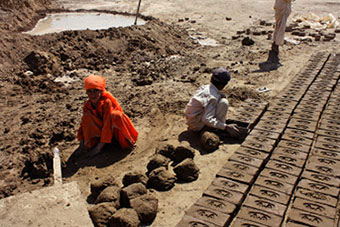
Bonded labour of adults and children in brick kilns is one of the most prevalent, yet least known, forms of hazardous labour in Afghanistan.
The actual value of work carried out by bonded labourers is often much higher than the debt owed. However, the paradox of bonded labour rests on the fact that bonded labourers rarely receive remuneration for their work (or very little) and they need to borrow money in order to survive. This is the beginning to the cycle of bonded labour, which can be virtually indefinite. Bonded labour can stretch for generations, affecting individuals for their entire lives. This also means that a person can be born into bonded labour, which they have no real chance of escaping.
Activity 8 Child debt bondage in India
Read pages 5–8, and paragraphs 2.3 and 3.1–3.2 of the Anti-Slavery International report, Poverty, Discrimination and Slavery: the Reality of Bonded Labour in India, Nepal and Pakistan (Upadhyaya, 2008).
Consider the following questions.
Question 1
Who are Dalit children and why are they disadvantaged?
Comment
The Dalit children are members of the lowest caste in India. They are often called ‘The Untouchables’. Dalit children are victims of the ancient caste system in India: they are still viewed as outcasts of Indian society and they live in extreme poverty, making them particularly vulnerable to exploitation. Many Dalits are born into debt bondage, which is ‘inherited’ from their parents. Various studies point out that around 90 per cent of bonded labourers are from Dalit, minorities and indigenous communities.
Question 2
What is the legal status of bonded labour in India?
Comment
Bonded labour is officially prohibited in India by the Bonded Labour System (Abolition) Act 1976. However, debt bondage still persists and limited efforts are made by the state to combat this practice.
Question 3
What are the social factors driving bonded labour?
Comment
Caste discrimination is one of the key factors driving bonded labour. It strongly impacts on social mobility and it influences the type of work carried out by members of the caste. There is a social stigma and social exclusion attached to low caste members, especially Dalits. They are perceived as ‘unclean’ and ‘untouchable’. The latter has a practical dimension. Dalits are not permitted to enter ‘high caste’ places of worship, use the same sources of water, or freely associate with the ‘high caste’ on a day-to-day basis; in many cases they cannot touch the food the high caste members eat. If Dalits choose to protest against traditional exploitative, discriminatory and humiliating roles, they face social sanctions and boycotts that further restrict any opportunity to overcome discrimination.
Gender is also an important factor in the context of bonded labour. Women, especially from lower castes, are discriminated against both within households and in employment. For example, many women do not receive remuneration for their work at all. They also find themselves driven into bonded prostitution by their husbands.
Question 4
Which provisions of international human rights law are violated in situations of child bonded labour?
Comment
Child bonded labour violates a number of international human rights instruments, including:
- Article 4 UDHR
- Article 8 ICCPR
- Article 6(1) ICESCR
- in situations of child sexual exploitation: Article 34 and 35 of the CRC (including the Optional Protocol to the CRC on the Sale of Children, Child Prostitution and Child Pornography 2000).
4.3 Businesses and forced labour
Many businesses source or manufacture their produce using forced labour. This is particularly common among some of the largest and most popular high-street brands. These issues are particularly notorious in (although, by no means limited to) fabric and garment manufacture in India, the cotton trade in Uzbekistan and the cocoa trade in West Africa.
Some big businesses open factories in states where they operate using exploitative or forced labour in the production of merchandise. Very often these people work long hours, in difficult (if not inhumane) conditions and for little or virtually no payment. It is not uncommon to employ children to carry out some work, especially in the cheap production of clothes.
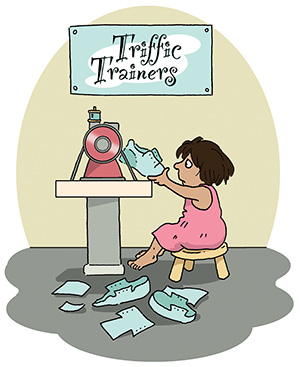
In other cases, forced labour can be even perpetuated by the state itself. In this case, the state uses forced labour to obtain the product and then enters into business relations with companies, which source this particular product from that state. For instance, the Government of Uzbekistan has been proven to use Uzbek children and adults to carry out forced labour in cotton fields.
Box 8 Cotton crimes in Uzbekistan
Uzbekistan is one of the top world producers of cotton – it exports around 850,000 tonnes of cotton every year. It is estimated that the annual profit from the cotton trade amounts to $1 billion. Unsurprisingly, cotton is referred to as Uzbekistan’s ‘white gold’.
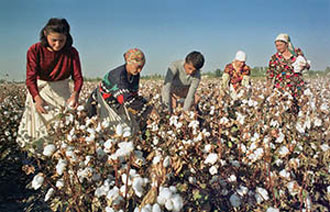
In order to achieve such high profits from the cotton industry, every year the Government of Uzbekistan forces children and adults to work on cotton farms. The workers receive very little or no payment for their work. The Government of Uzbekistan makes large profits from the sale of cotton to some of the largest clothing companies in the world.
The conditions of work on cotton farms are very harsh and have adverse impacts on children’s and adults’ health.
The video, White Gold – the True Cost of Cotton (2007), outlines some of the key aspects of cotton trade in Uzbekistan.
Transcript: White Gold – the True Cost of Cotton (2007)
In both cases, what drives forced labour is the low cost of manufacturing the final product. This appears to be a very lucrative method of obtaining the maximum profit by large businesses worldwide. However, the ethical dimension of this practice is highly questionable.
The issue of state liability for human rights violations with regard to forced labour in the cotton industry is fairly straightforward when the state is directly involved in forcing people to work in the cotton fields. Where states are directly involved in the perpetration of forced labour, the state is arguably in violation of key human rights provisions on slavery, servitude and forced labour (not to mention the violations of international labour standards set out in the ILO conventions). However, in situations where businesses are using forced labour without involving the state, the issue it a bit more complex. While the practice of employing forced labour is highly unethical, businesses are not parties to human rights treaties and they do not generally owe human rights obligations. That said, if it can be shown that a government fails to regulate the impact of businesses on human rights or fails to ensure access to justice for victims of human rights abuses involving business, then a state may be held in violation of human rights.
4.4 Magdalene laundries
This course has so far considered examples of forced labour perpetrated by individuals or businesses. This section will consider an example of forced labour, which was administered, run and tolerated by the Roman Catholic Church, primarily in Ireland, from the eighteenth to the late twentieth century.
Magdalene laundries (also referred to as the Magdalene asylums) were originally created in the mid-eighteenth century and were run by the Magdalene sisters under the auspices of the Catholic Church. The initial aim of these institutions was to provide shelter and alternative work for prostitutes. However, in the early twentieth century, they became centres of exploitation, violent abuse and forced labour. By then, the laundries had become ‘a destination’ (albeit not a voluntary one) for not only prostitutes but all ‘fallen women’, who transgressed socially accepted behaviours. Many women found themselves in laundries because they engaged in premarital sex or because they had children out of wedlock. In cases of the latter, children were automatically put up for adoption by the Catholic Church, with mothers being unable to keep (or in some cases even see) their babies. Women were forced to work long hours in the laundries and received no remuneration for their work. If women objected to the work, they were physically punished or denied food. They were also not allowed to leave the Magdalene asylums, which meant that they were practically incarcerated. This short video,The Magdalene Laundries Ireland – a Documentary Clip from ‘The Forgotten Maggies’ (2011), from the documentary Forgotten Maggies gives an insight into the reality faced by women incarcerated in Magdalene laundries.
Transcript: The Magdalene Laundries Ireland – a Documentary Clip from ‘The Forgotten Maggies’ (2011)
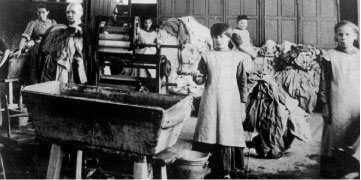
The Magdalene laundries existed both in the UK and in Ireland, with Irish Magdalene laundries surviving the longest. The last laundry closed in 1996.
The Irish Government demonstrably failed to protect the victims from violations of their human rights. However, for many years, the Catholic Church and the Irish Government denied complicity in the appalling practice of the running of the Magdalene laundries. For many women, it meant that not only their human rights were violated during their time spent in the laundries, but also that they were denied access to justice. Following many years of lobbying by advocacy groups, particularly Justice for Magdalenes (who also gave a statement before the UN Committee Against Torture), the Irish Government issued an official apology to the victims of Magdalene laundries in 2013, via Magdalene Laundries: Enda Kenny Delivers State Apology (BBC News, 2013). The Irish Government is now also engaged in providing a compensation package to the victims.
Transcript: Magdalene Laundries: Enda Kenny Delivers State Apology (BBC News, 2013)
5 Looking to the future – ending modern slavery?
Before proceeding to study the final section of this course, Activity 9 asks you to consider issues around ending modern slavery.
Activity 9 Stopping modern slavery
Make some notes in response to the following questions.
- What, in your opinion, are the key obstacles to ending modern slavery?
- Is the current law effective?
Comment
You will look at some of the challenges to ending modern slavery below.
Slavery continues in the twenty-first century in various forms. Acts of modern slavery are committed primarily by private actors. This has significant implications for addressing modern slavery from a human rights perspective. Individuals cannot be directly liable for human rights violations, therefore, the responsibility of the state for acts of modern slavery is narrowed to two circumstances:
- when the state is complicit in committing acts of slavery and forced labour of servitude
- when the state fails to fulfil its positive obligations under human rights law.
However, perpetrators of modern slavery can be punished under other branches of the law, particularly criminal law. As argued by Piotrowicz (2009), this may provide a pragmatic solution to the problem of impunity for acts of modern slavery (particularly THB) and may enable the focusing of efforts on developing further support and assistance to the victims.
In 2015, the UK Parliament passed the Modern Slavery Act 2015, which is designed to combat acts of modern slavery within the jurisdiction of the UK, punish perpetrators and to provide protection and support to victims.
Activity 10 Modern Slavery Act 2015
Use an internet search engine to find and familiarise yourself with the Modern Slavery Act 2015. Focus your reading on sections 1–5 of Part 1.
Please note: you do not need to read every section of the Act, but you need to have an idea about the general scope of the legislation.
In your opinion will the operation of the Modern Slavery Act 2015 make a change in combating modern slavery in the UK?
Comment
The Modern Slavery Act 2015 introduced a number of developments in relation to tackling modern slavery:
- consolidation of the existing human trafficking offences
- an increase in the maximum sentence for human trafficking to life imprisonment
- creation of an Anti-slavery Commissioner
- restriction of movements and other prohibitions on convicted or suspected traffickers and slave drivers, to mitigate the risk they pose
- creation of a new requirement on public bodies to report all suspected cases of human trafficking to the National Crime Agency (NCA).
Conclusion
Despite the abolition of slavery in the nineteenth century, the practice is prevalent in the contemporary world. It is estimated that more people are enslaved today than during the few centuries of the transatlantic slave trade. Modern slavery poses a serious challenge to human rights protection worldwide, and many governments as well as international and regional bodies are working towards preventing and combating it.
This course explored the historical origins and forms of slavery from ancient times to the twenty-first century. It also looked at the international legal instruments regulating the prohibition of slavery: international human rights treaties, ILO conventions, as well as regional human rights instruments.
You should now be able to:
- understand the historical origins of slavery as well as examples of slavery
- understand the international legal framework prohibiting slavery
- understand the concept of modern slavery and its various forms
- analyse the applicable law and apply it to a given example/case study
- think critically about human rights aspects of slavery in a variety of contexts and to articulate an independent view
- critically analyse and evaluate proposals for new legislation addressing modern slavery.
If you are unsure about any of these, go back and reread the relevant section(s) of this course.
References
Acknowledgements
This course was written by Olga Jurasz.
Except for third party materials and otherwise stated in the acknowledgements section, this content is made available under a Creative Commons Attribution-NonCommercial-ShareAlike 4.0 Licence.
The material acknowledged below is Proprietary and used under licence (not subject to Creative Commons Licence). Grateful acknowledgement is made to the following sources for permission to reproduce material in this course:
Course image © Edwina Sandys
Grateful acknowledgement is made to the following sources:
Every effort has been made to contact copyright holders. If any have been inadvertently overlooked the publishers will be pleased to make the necessary arrangements at the first opportunity.
Course image: Michael Gil in Flickr made available under Creative Commons Attribution 2.0 Licence.
Figure 2: © Niday Picture Library / Alamy
Figure 3: Taken from University of Toronto Libraries
Figure 4: Taken from The University of Glasgow
Activity 4: Hadijatou Mani Koraou v The Republic of Niger – unofficial translation of judgment No ECW/CCJ/JUD/06/08 of 27 October 2008 , ECOWAS Community Court of Justice http://www.courtecowas.org/
Figure 5: © Scott Nelson / Getty Images
Figure 6: Global Report on Trafficking in Persons, 2012, United Nations, New York
Figure 7: Global Report on Trafficking in Persons, 2012, United Nations, New York
Figure 8: Global Report on Trafficking in Persons, 2012, United Nations, New York
Figure 10: © AFP / Stringer / Getty Images
Activity 7: Scotland: A safe place for child traffickers? A scoping study into the nature and extent of child trafficking in Scotland (2011). www.sccyp.org.uk
Activity 7: The Fifth Periodic Report to the UN Committee on the Rights of the Child United Kingdom (2014) © HM Government 2014
Figure 11: © International Labour Organization/Berger H.
Activity 8: Poverty, Discrimination and Slavery: The reality of bonded labour in India, Nepal and Pakistan, Anti-Slavery International (2008) www.antislavery.org
Figure 12: © Unknown
Figure 13: © ITAR-TASS Photo Agency / Alamy
Video
Work Abroad (2008) produced by United Nations Office on Drugs and Crime http://www.unodc.org/
Lured by a Job, Trapped in Forced Labour (2014) produced by the ILO, http://www.ilo.org/ White Gold – the True Cost of Cotton (2007): Environments Justice Foundation: http://www.ejfoundation.org/
The Magdalene Laundries Ireland – a Documentary Clip from ‘The Forgotten Maggies’ (2011). Courtesy: Steven O’Riordan
Enda Kenny issues apology through Irish Parliament in relation to Magdalene Laundries
Every effort has been made to contact copyright owners. If any have been inadvertently overlooked, the publishers will be pleased to make the necessary arrangements at the first opportunity.
Don't miss out:
If reading this text has inspired you to learn more, you may be interested in joining the millions of people who discover our free learning resources and qualifications by visiting The Open University - www.open.edu/ openlearn/ free-courses