Case study: Energy Communities - Working together
| Site: | OpenLearn Create |
| Course: | Every1 case studies |
| Book: | Case study: Energy Communities - Working together |
| Printed by: | Guest user |
| Date: | Tuesday, 28 July 2026, 12:55 PM |
1. Welcome
Whatever the aims and activities of your energy community, sustainability is a key consideration. As an energy community member or leader, you may be considering:
- What your energy community will look like in the future.
- Why it’s important to sustain an energy community.
- Ways you can work with members to sustain your energy community longer-term.
By reviewing this case study, you will:
- Deepen your understanding of what factors impact on sustaining an energy community.
- Understand the role of effective communication and collaboration in sustaining energy communities.
- Gain an understanding of sustainability good practices used by different types of energy communities across Europe.
- Be aware of the key activities that support sustainability in an energy community.
Every1 case studies aim to support conversation, reflection and action on a key topic. Case studies provide key facts, examples, a short video, practical advice and reflective questions.
We would love to hear your thoughts on this case study! Please complete our short survey.
2. Factsheet
Whatever kind of energy community you’re part of, the future of your community is key. In this fact sheet you will:
- Find out why it’s important to build and sustain an energy community.
- Explore what motivates people to join an energy community.
- Consider some ideas for how we can collaborate and work better... together!
Go deeper! Be inspired by more examples of European energy community sustainability:
- Read about the history of an 100-year old energy community in Germany in Empowering citizens through energy: The Hindelang Co-operative
- Explore resources from the Energy Citizens for Inclusive Decarbonisation (ENCLUDE) project including The Changemaker’s Guide to the Energy Transition – A new playbook for citizens by ENCLUDE.
- Cleanwatts in Portugal, who deliberately centred community and collaboration from their inception.
3. Video
This video explores different energy community approaches to long-term collaboration and sustainability:
Time to reflect: How can you help your energy community stay motivated and connected so it continues to thrive in the long term?
4. Reflective Questions
If you are an energy community leader, you may want to start with the first set of questions below. These questions will help you explore your energy community’s vision and engagement. The second set of questions can be used with energy community members to support wider discussion and planning.
Energy community leaders:
- What are your goals for the next 5 years? What planning have you done to help you achieve these goals?
- What actions can you take to build sustainability into the development of your energy community? Who needs to be involved?
- What are the different ways in which you will engage with the community and other stakeholders?
- What are your current connections to the community where you are based? How could you foster further connections?
- What role do you think our energy community has in the wider community? How do you think our energy community is perceived by others? How can we improve this image/perception?
- What kinds of activities would support your engagement with our energy community? How can our energy community better support your needs?
- What do you think should be the priority focus/foci for our energy community over the next 5 years?
- What would motivate you to become more involved in our energy community? What would this involvement look like?
5. Other Every1 Resources
You may find the following learning materials from Every1 useful:
- Browse the Helpful tips, tricks and tools to support setting up your energy community slide deck.
- Explore the slide deck Circularity and the digital energy transition.
- Read The Collective Energy Coop Story.
You can also explore our Every1 Knowledge Hub, which has more than 80 different learning materials on digital energy topics, many available in a range of European languages.
6. Acknowledgements
This case study and its components were created by the Every1 project and are licensed CC BY-SA 4.0, unless otherwise stated.
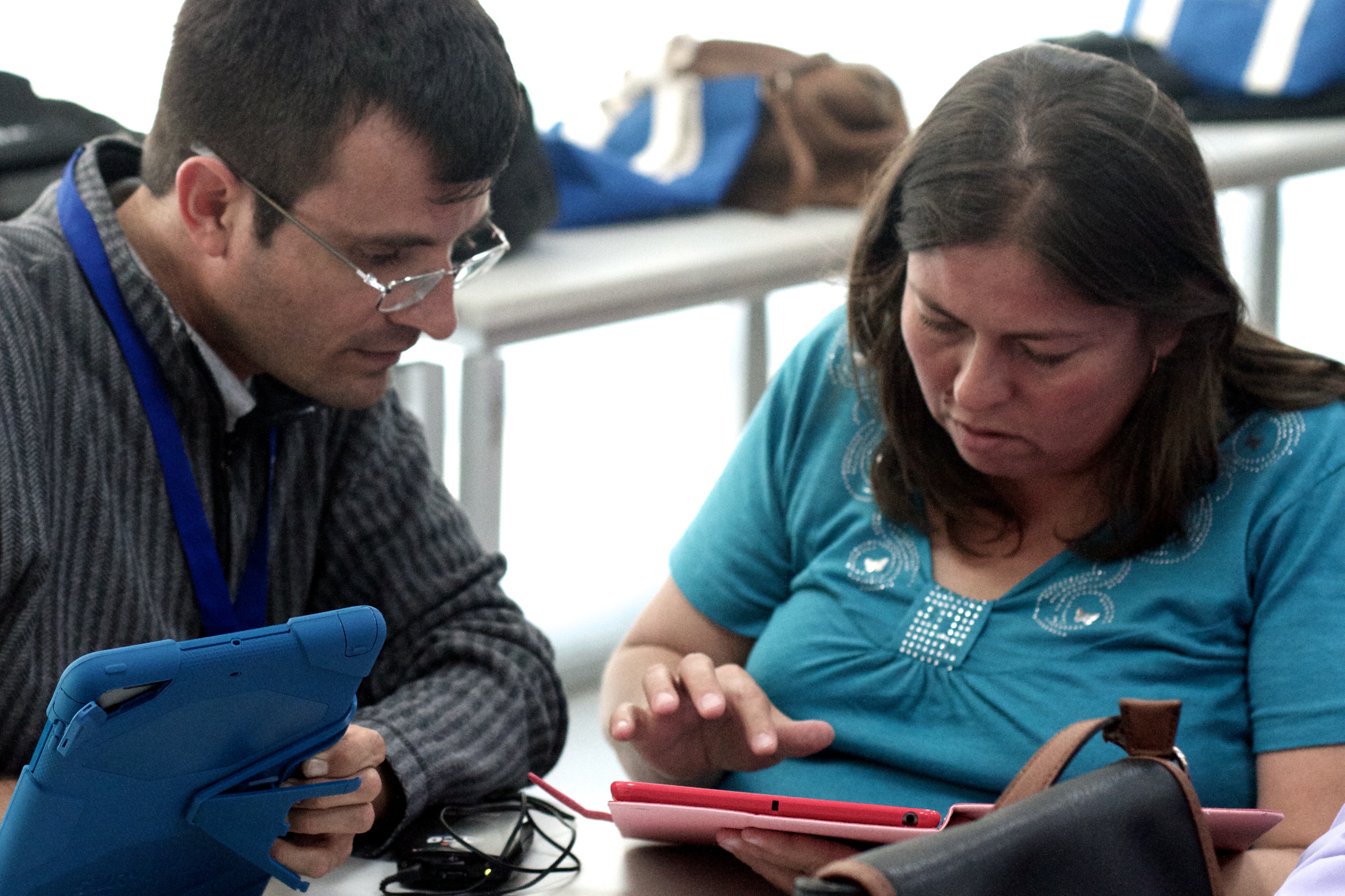
Main case study image: Working together by Alan Levine is licensed CC BY 2.0.
Factsheet
Icons used (aside from the Every1 logo, funded by the EU logo and related images) are used according to Canva licensing terms.
Video
This video is part of the Energy communities: Working together case study produced by the Every1 project (https://every1.energy), funded by the European Union’s (EU) Horizon Programme for Research and Innovation (2021-2027) under grant agreement No 101075596. The sole responsibility for the content of this video lies with the Every1 project and does not necessarily reflect the opinion of the European Union. The video is licensed CC BY-SA 4.0 (https://creativecommons.org/licenses/by-sa/4.0/deed.en), unless otherwise stated.
This video includes theme music Aura by DayNigthMorning via Pixabay. The voiceover for this video was created using Freepik. The opening logo was inspired by a Canva Pro licensed image featured in the Every1 Guide to Energy Efficiency and Smart Technologies and redrawn and animated using Adobe After Effects with the inclusion of a redrawn leaf image from the Noun Project Pro Royalty-Free license. Noun project icons Society and solar panel were redrawn and used in accordance with a Noun Project Pro Royalty-Free license. The map of Europe and solar panel images are used under a Freepik Premium license (unlimited use without attribution). The Every1 and “Funded by the European Commission” logos are used with associated permissions.
 This project has received funding from the European Union’s Horizon Programme for Research and Innovation (2021-2027) under grant agreement No 101075596. The sole responsibility for the content of this course lies with the Every1 project and does not necessarily reflect the opinion of the European Union.