Case study: Energy communities: understanding different energy sources
| Site: | OpenLearn Create |
| Course: | Every1 case studies |
| Book: | Case study: Energy communities: understanding different energy sources |
| Printed by: | Guest user |
| Date: | Tuesday, 28 July 2026, 1:03 PM |
1. Welcome
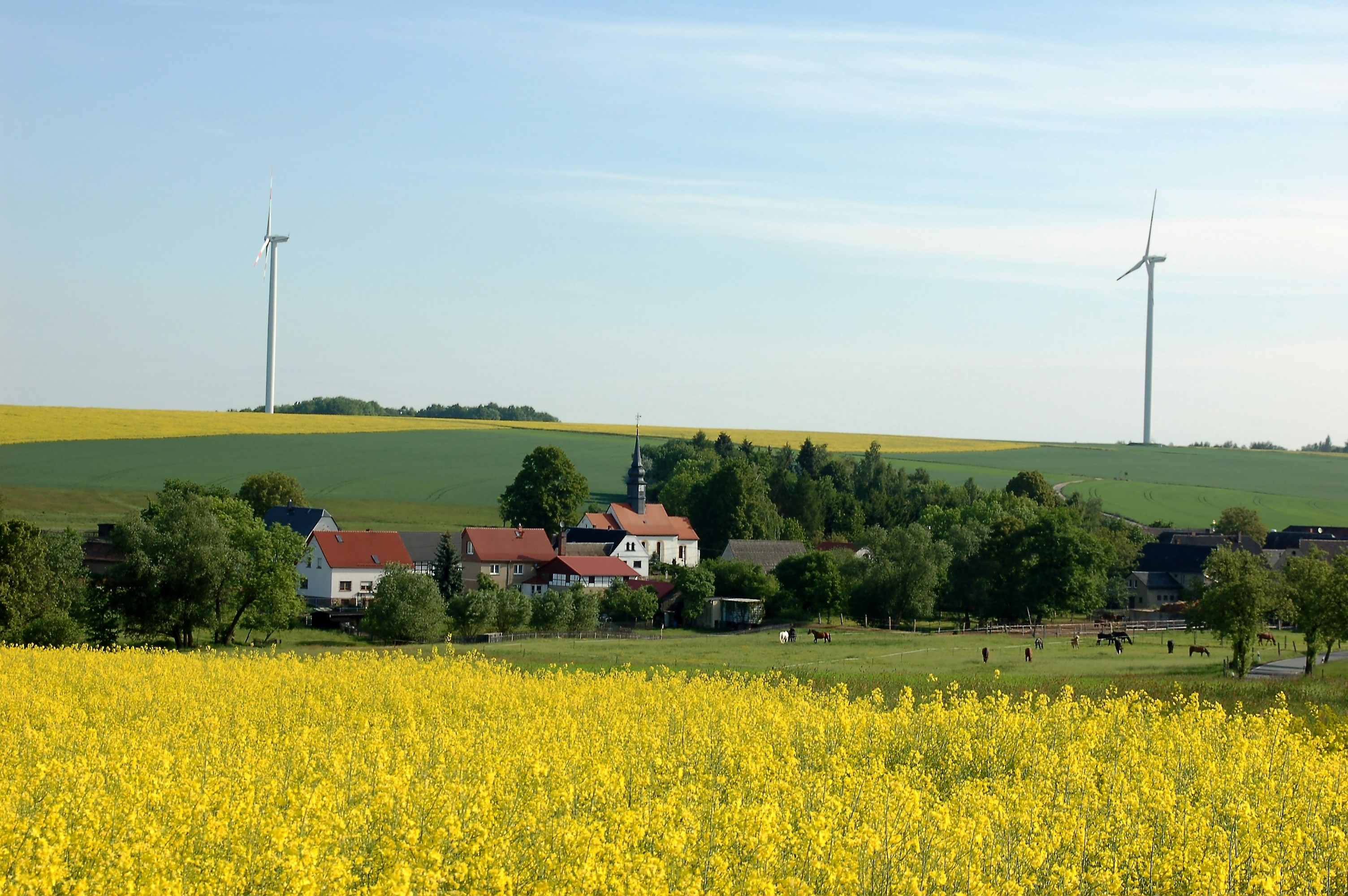
The digital energy transition is central to European ambitions for a sustainable future. Whilst some households can switch to a renewable energy tariff or install solar panels or a heat pump, energy communities can support larger numbers of citizens in their production and consumption of energy. Energy communities are recognised by the European Union as playing a key role in the transition away from fossil fuels to a renewable energy future.
This case study is aimed at policymakers who want to deepen their understanding of the alternative energy sources for energy communities. You may be wondering:
- What renewable energy is.
- How you can support energy communities who are interested in renewable energy sources.
- How policy does – or could – support the uptake of renewable energy sources.
By reviewing this case study, you will:
- Understand what alternative energy is.
- Be able to name different types of alternative energy sources.
- Be able to describe the benefits and challenges of different types of energy sources.
- Be aware of what kind of policy measures could support energy communities.
Every1 case studies aim to support conversation, reflection and action on a key topic. Case studies provide key facts, examples, a short video, practical advice and reflective questions.
We would love to hear your thoughts on this case study! Please complete our short survey.
2. Factsheet
As we transition away from fossil fuels such as gas, oil and coal, it’s important to understand what types of alternative energy sources are available. What are the benefits and challenges of different energy sources, and what policy measures might help support their uptake? In this fact sheet you will:
- Find out more about different types of alternative energy sources.
- Explore the benefits and challenges of different alternative energy sources.
- Consider some of the policy measures that could support different energy communities.
Go deeper! Explore some innovative policy tools that could help support energy communities:
Regulatory sandboxes
Regulatory sandboxes are temporary frameworks that allow energy communities and innovators to test new business models, technologies, and processes - such as peer-to-peer trading and storage integration - under real-world conditions with exemptions from certain regulations. These sandboxes are designed to provide evidence for potential permanent regulatory changes and foster innovation in areas like grid flexibility, sector coupling, and local energy management.
Pilot projects
Pilot projects offer real-world environments for testing new technologies, energy community designs, and renewable energy source integration strategies. These projects help identify technical, regulatory, and social challenges before broader deployment. They are often supported by public funding and can serve as demonstration models for replication and scaling. For example, the U.S. Energy to Communities (E2C) program connects local governments and organisations with national laboratory experts to develop and implement innovative energy solutions tailored to community needs, including renewable energy generation and storage.
3. Reflective Questions
If you’re thinking about how best to support energy communities in your municipality, region and/or area, you may want to consider the following questions:
- What existing national, regional and other policies already exist to support energy communities in their use of renewable energy sources? Have these been successful? How could they be improved?
- How can we ensure that everyone can participate in – and benefit from – the transition to more renewable energy sources?
- What energy communities already exist in your municipality, region and/or area?
If there are energy communities:
-
- What does each energy community aim to do? Who do they engage with? Do they already make use of renewable energy sources?
- What challenges do energy communities in your municipality/region/area face? What barriers are there to participating in the transition to more renewable energy sources? How can policy better support these energy communities?
- What does each energy community aim to do? Who do they engage with? Do they already make use of renewable energy sources?
If there aren’t any energy communities:
-
- Why not? Are there other groups which support an interest in renewable energy sources or related interests?
- What barriers are there to setting up an energy community or cooperative?
4. Other Every1 Resources
You may find the following learning materials from Every1 useful:
- Read the case study The EU Policy Framework for the Digital Energy Transition.
- Explore the learning pathway Digital Energy Transition Fundamentals.
- Watch the video Digital inclusion in the Digital Energy Transition.
- Go deeper with the learning pathway Renewable Energy and Community Solutions.
- Explore more Every1 case studies on energy communities.
You can also explore our Every1 Knowledge Hub, which has more than 80 different learning materials on digital energy topics, many available in a range of European languages.
5. Acknowledgements
This case study and its components were created by the Every1 project and are licensed CC BY-SA 4.0, unless otherwise stated.
Main case study image: Village surrounded by fields with wind turbines by Lutz Stallknecht is on an Unsplash license.
Factsheet
Icons used (aside from the Every1 logo, funded by the EU logo and related images) are used according to Canva licensing terms.
 This project has received funding from the European Union’s Horizon Programme for Research and Innovation (2021-2027) under grant agreement No 101075596. The sole responsibility for the content of this course lies with the Every1 project and does not necessarily reflect the opinion of the European Union.