Use 'Print preview' to check the number of pages and printer settings.
Print functionality varies between browsers.
Printable page generated Thursday, 24 September 2026, 9:13 AM
Session 2 Managing risk
2.1 Introduction

In this session, you will look at how a safeguarding

Learning outcomes
In this session, you will cover:
Each step in the process, from risk identification, to assessment, to managing the risk. |
Safer recruitment measures that help reduce risks. |
Managing risks in the |
2.2 Risk assessment when planning activities
It is important to apply a consistent approach to undertaking a safeguarding risk assessment.
Below are six steps to help guide and inform risk assessments for activities or events of any size:
- Identify the key general safeguarding risk areas.
- List the specific risks associated with each of these risk areas in an event or activity.
- Identify what actions are needed to mitigate (remove or reduce) each risk.
- Label them high, medium, or low, based on how likely each risk is.
- Decide who (or which department) will be responsible for addressing each risk, how it will be addressed, and by when.
- Monitor progress as actions are taken to reduce specific risk levels and prioritise areas where risk levels are higher.
A risk assessment template can help guide and record this important process:
You can find the risk assessment template on the Safeguarding Resources site.
In the template we refer to ‘venues and facilities’. This means anywhere that sports activities take place, for example a rugby pitch, a golf course, or a swimming pool, as well as areas like changing rooms, or catering facilities.
Over the next few sections, you will work through this template. You start by understanding the general safeguarding risk areas.
2.3 Step 1: General safeguarding risk areas
It is useful to break down risk into the general safeguarding risk areas. These are common to every level and type of activity.
 Activity: Identify the six general safeguarding risk areas
Below we have listed the six common risk areas. Use the drop-down menus to match each risk area to the appropriate explanation.
The next step is to think about the risks associated with each of these six general safeguarding risk areas.
2.4 Step 2: Identifying specific risks
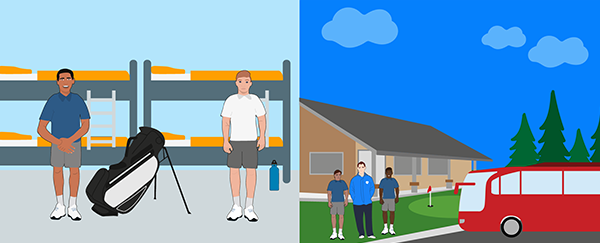
For the next two activities, imagine you are completing a risk assessment ahead of a national sports event where you have two teams attending – one of which is a team of para-athletes.
The teams will travel together with staff, on a local bus that has been hired for the week.
A lot of the athletes have never left their hometown before – they were all asked to provide emergency contact and medical information before leaving, but not all the forms have been collected.
The teams are all children, both boys and girls, and they will be staying in male and female dormitory room accommodation, with a shower and toilet block situated outside.
The accommodation has free, open Wi-Fi access, and most of the children will bring their mobile phones.
The venue for the competition is a community arena, which is open for anyone to enter and watch the matches. It has a basic medical unit, with a part-time doctor.
You have heard that local media will be covering the event, and that some people calling themselves ‘agents’ are attending to try and identify and sign-up talented young athletes.
There will be a few staff coming with the teams, some have had the standard safeguarding training, but a couple of new staff haven’t done the training yet. There will not be many women staff, so there might not be enough people to supervise the girls all the time.
Activity: What specific risks apply to each general risk area?
In the table below, identify as many specific risks to children or other vulnerable people as you can. To help you we have provided an example for ‘People’ and ‘Venues and facilities’.
| Safeguarding risk area | Specific risks |
|---|---|
| People | Adults responsible for, or coming into contact with, children may behave inappropriately or abuse a child. |
| Venues and facilities | Facilities and amenities can be inadequate or dangerous to children (e.g. a leaking changing room roof). |
| Information | |
| Travel and accommodation | |
| Communication and social media | |
| General welfare issues | |
Comment
Here are some examples of risk we identified – note, this is not a complete list. You may have noticed that many of these risks will apply to every activity or context. Others may be more dependent on the specific activity or environment.
| Safeguarding risk area | Specific risks |
|---|---|
| People | Adults responsible for, or coming into contact with, children may behave inappropriately or abuse a child. |
| People may fail to recognise | |
| People may fail to report safeguarding concerns. | |
| Adults may fail to adequately supervise children. | |
| Adults may fail to adequately support para-athletes. | |
| Adults may | |
| People may behave inappropriately, bully or abuse someone. | |
| Fans may harass an athlete. | |
| Venues and facilities | Facilities and amenities can be inadequate or dangerous to children (e.g. a leaking changing room roof). |
| Inadequate supervision of changing facilities or locker rooms, or other controlled areas of a venue. | |
| Venues without controls on who can enter. | |
| Medical areas not properly staffed or stocked with appropriate supplies. | |
| Information | Absence of personal medical information. |
| People don’t understand their safeguarding responsibilities or know how to report concerns. | |
| Carers for para-athletes don’t have adequate information to carry out their responsibilities. | |
| Travel and accommodation | Unsafe vehicles. |
| Inadequate supervision can lead to accidents, bullying, abuse, or children going missing. | |
| Sleeping in inappropriate accommodation, with toilets located outside, exposing them to risk. | |
| Communication and social media | Social media or e-communication used to abuse, bully, or threaten children. |
| Media covering the activity in a way that puts children and others at risk. | |
| Children accessing and/or sharing inappropriate, violent, or offensive material through accommodation Wi-Fi. | |
| General welfare issues | Person-centred approaches not used to deliver sport activities. |
| The needs of people with disability or those with mental health problems, are not met. (e.g. building not accessible). | |
| No spaces or adjustments made for athletes to practise their religion. |
The next step is to consider what action is needed to
2.5 Step 3: Measures to mitigate identified risks

Once you understand the potential risks, you need to consider what needs to be done to eliminate or reduce these risks (known as ‘mitigating actions’).
Activity: Actions needed to reduce risks
For each of the specific risks in the table below, write down the different actions you think may reduce them. We have provided an example to help you get started.
| Safeguarding risk area | Specific risks | Action needed to mitigate risk |
|---|---|---|
| People | Adults responsible for or coming into contact with children may behave inappropriately, abuse, or exploit a child. | Develop and apply a safer recruitment Require everyone to sign and comply with a clear Link failure to comply with the code of conduct to a disciplinary process. Require everyone to take a Safeguarding Course before attending an activity which involves frequent contact with children. Restrict access to children, so it is limited to recognised staff only. |
| Adults fail to recognise safeguarding concerns, or having recognised them, fail to report. | ||
| Adults fail to adequately supervise children. | ||
| Venues and facilities | Facilities can be inadequate or dangerous to children. Inadequate supervision of changing rooms. | |
| Venues that are open to the public. | ||
| Information | Absence of medical information. | |
| People don’t understand their safeguarding responsibilities or know how to report concerns. | ||
| Travel and accommodation | Unsafe vehicles. | |
| Inadequate supervision can lead to accidents, bullying, abuse, or children going missing. | ||
| Unsafe or unsuitable accommodation. | ||
| Communication and social media
| Social media or e-communication used to abuse, bully, or threaten children. | |
| People wishing to financially exploit children use social media to connect with them. | ||
| Children accessing and/or sharing inappropriate, violent, or offensive material. | ||
| General welfare issues | The needs of people with disability or those with mental health problems, not met. The religious needs of people not met. |
Comment
| Safeguarding risk area | Specific risks | Action needed to mitigate risk |
|---|---|---|
| People | Adults responsible for or coming into contact with children may behave inappropriately, abuse, or exploit a child. | Develop and apply a safer recruitment policy to vet staff and volunteers. Require everyone to sign and comply with a clear code of conduct. Link failure to comply with the code of conduct to a disciplinary process. Require everyone to take a Safeguarding Course before attending an activity which involves frequent contact with children. Restrict access to children, so it is limited to recognised staff only. |
| Adults fail to recognise safeguarding concerns, or having recognised them, fail to report. | Provide learning opportunities to recognise poor practice and abuse, and how to respond; clarify safeguarding responsibilities; and what actions to take at an event. Establish an easy and accessible channel for reporting. | |
| Adults fail to adequately supervise children. | Provide | |
| Venues and facilities | Facilities can be inadequate or dangerous to children. Inadequate supervision of changing rooms. | Complete pre-event checks on facilities to ensure they are adequate. Include supervision arrangements for toilets/changing areas. |
| Venues that are open to the public. | Agree additional security and supervision measures to address the problem of the public potentially mixing with athletes. Where possible, restrict access to specific areas. Make sure there is someone who can supervise children. | |
| Information | Absence of medical information. | Establish a clear system to get and securely hold required information on people. Make sure that medical and emergency contact information is available wherever needed. |
| People don’t understand their safeguarding responsibilities or know how to report concerns. | Provide clear guidance and training to all staff about their safeguarding responsibilities. | |
| Travel and accommodation | Unsafe vehicles. | Have mandatory guidance about checks on vehicles, insurance, and drivers. |
| Inadequate supervision can lead to accidents, bullying, abuse, or children going missing. | Develop and apply clear guidelines for supervision of children. | |
| Unsafe or unsuitable accommodation. | Complete pre-event checks on accommodation to ensure they are adequate. | |
| Communication and social media
| Social media or e-communication used to abuse, bully, or threaten children. | Provide clear guidance to athletes, parents, and entourage on appropriate use of social media and include in codes of conduct. |
| People wishing to financially exploit children use social media to connect with them. | Provide clear guidance to athletes, parents, and entourage on what to do if someone approaches an athlete claiming to be an ‘agent’. | |
| Children accessing and/or sharing inappropriate, violent, or offensive material. | Include rules linked to this in all codes of conduct. Ask the accommodation provider to password protect Wi-Fi access. | |
| General welfare issues | The needs of people with disability or those with mental health problems, not met. The religious needs of people not met. | Put a process in place to identify additional needs and agree with the athlete/their parents how these will be addressed, including any accessibility and religious requirements. |
You may have noticed that some of these actions will be the same for any event, while others will depend on the nature of the event or activity planned.
Many organisations have standard versions of policies and
 |
| Make sure staff understand and apply policies and procedures |
Simply having the right policies or procedures in place is not enough. Make sure that people understand and commit to applying these in practice. |
Next you explore how you assess each identified risk.
2.6 Step 4: Identifying how likely the risks are to occur
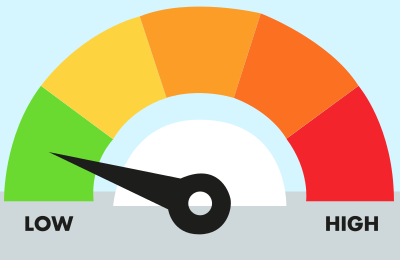
You now need to identify how likely it is that the risks will occur. It is helpful to use three risk probability levels: high, medium, and low.
High: There are currently no mitigating arrangements in place to address the risk – the probability is high because no action has been taken.
Medium: There are some mitigating arrangements in place, but these may not be consistently used, or understood by all – probability of an incident occurring is medium.
Low: There are
Activity: Identify risk probability levels
Consider the following information about a sport programme. For each risk consider whether the probability is high, medium or low. Where you think the probability is high or medium – identify actions that will reduce the risk further.
Comment
Remember that this focuses on the likelihood of an issue arising. Rating a risk as low probability does not mean that incidents will not happen – or that the impact would not be very serious.
|
It is simply not possible to remove all identified risks – but you must take all reasonable steps to reduce risks. You should address high rated risks first, as these are more likely to happen. |
2.7 Step 5: Identifying who is responsible for actions to reduce risks

Step 5 is to allocate responsibility for taking the mitigation actions identified.
For relatively small activities and events, responsibility may lie with one or two members of staff – while for larger events there may be a planning or organising team.
It’s important to make sure that risk assessments are embedded from the start.
2.8 Step 6: Monitoring progress
Risk assessment isn’t a one-time activity. It’s important that progress is reviewed regularly – particularly updating risk levels as mitigating actions are taken.
Communicating risk updates helps everyone prioritise.
For organisers of smaller events, we have produced a checklist on the Safeguarding Resources site that can help staff address the most important safeguarding issues.
|
| Completing risk assessments is everyone’s responsibility |
Share the risk assessment template with colleagues who are responsible for activities and provide guidance about how to use it. Over time, colleagues will get used to risk-assessing all their activities as a normal part of planning. |
In the next section, you see risk mitigation measures in action by looking more closely at a safer recruitment process.
2.9 Safer recruitment: the key stages
A best practice safer recruitment process has 12 stages.
You will look at each stage to understand what they contribute to the overall process, so you can adapt them to your context.
You may need to build relationships with those responsible for recruiting new staff in your organisation.
Activity: Match the recruitment element to its description
The following stages are in the order in which they are usually carried out.
Using the drop-down menus, match the correct activity.to each description.
Comment
Organisations should aim to include all 12 steps during recruitment to any roles that will involve engagement with children. We understand that it may take time to build these systems. Where it is not currently practical to apply them all, include as many of the steps as possible, working with colleagues who are responsible for recruiting staff and volunteers.
You can find examples of possible questions to use during the recruitment process on the Safeguarding Resources site.
2.10 Safeguarding people in the digital environment

In Course 2, you learned about some of the risks in the digital world.
Here are some of the key actions and arrangements that can help organisations reduce these online risks and respond when concerns are raised.
Activity: Key actions and arrangements to reduce online risks
Select each heading to read more information.
You can find more guidance on safeguarding people in the digital environment on the Safeguarding Resources site.
2.11 Consent for images
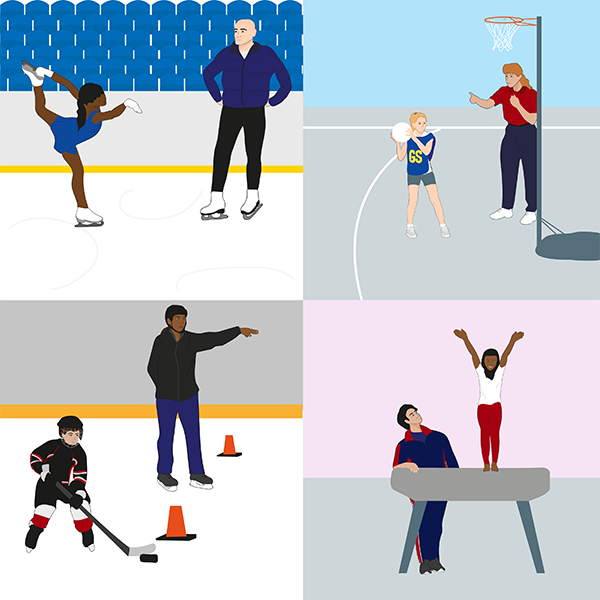
It is important that you and others get ‘informed consent’ before taking images. This is particularly relevant for official pictures.
Activity: What does informed consent involve?
Take a moment to think about the key parts of getting informed consent for taking and using images (including videos) of people?
Comment
Here are some of our suggestions.
People need to understand:
| What type of images will be taken. |
| How and where will they be used. |
| How, and for how long, images will be stored, and how access will be restricted. |
| The organisation’s rules about the type of images (for example, positive images). |
| The organisation’s rules about not including any identifiable personal information. |
| How an individual can raise concerns about the use of images or withdraw their permission for their image to be used. |
Informed consent is not simply agreeing to the general idea of your image being taken and used. It involves a clear understanding and agreement to all of the points listed above.
Parents/carers should be asked for permission where images relate to children, but children should also be asked for permission too – in a format that they can understand.
You can find more guidance for photography on the Safeguarding Resources site.
2.12 Apply your learning

Task 1
Identify people in your organisation who can understand and champion safeguarding, and external safeguarding experts who can support you.
- The aim of the task is to help you identify a network of internal and external people who can support you in your work as a Safeguarding Lead.
- Identify at least four key individuals or teams within your organisation that might be able to help you in developing and promoting safeguarding. Are you aware of any colleagues with a particular interest or previous experience in safeguarding?
- Identify four key external organisations (government and non-government) and individuals within these organisations – either with a direct role in safeguarding or with safeguarding experience – and make a connection with them.
- It is important to go through the process of building internal and external support for your work in safeguarding.
You will receive feedback comments on this task at the start of the next session.
2.13 Summary of Session 2

|
| The main learning and messages from this session are: |
|
When you are ready, move on to Session 3: Finalising policy and procedures, where you will look at policies, procedures, and codes of conduct in more detail.