
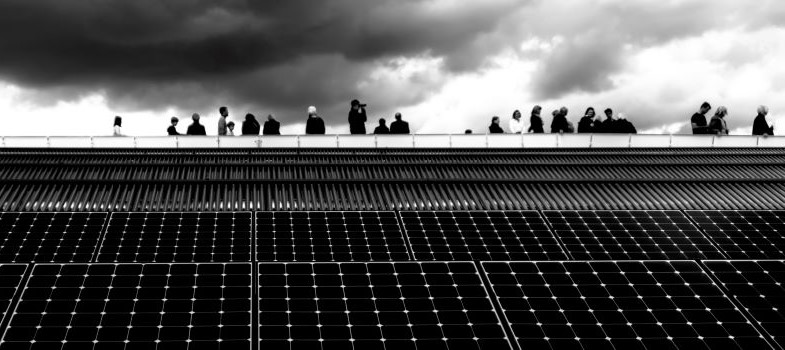
Welcome to Why digitalise energy?
This free, short course explains why the way we produce and consume energy is now focused on digitalisation and explores some of the benefits and challenges. The course also gives you some practical examples to help you understand how energy digitalisation might benefit you.
You might be:
- Thinking about how to save money by making your home more energy efficient.
- Curious as to how energy digitalisation might impact the way we live and work.
This course will deepen your understanding of the digital energy transition and support your own digital energy journey!
The course lasts for around 30 minutes. It is a self-paced, stand-alone course and part of the suite of 12 courses called Digital Energy Essentials. At the end of the course, we suggest some further learning materials for you to explore, including the course What is the Digital Energy Transition? which explores what digital energy is and the reasons behind moving towards digitalising our production and consumption of energy.
If you are unfamiliar with what digital energy is and the reasons behind moving towards digitalising our production and consumption of energy, you may want to start with this course.
This course is part of a suite of 12 courses called Digital Energy Essentials developed by the Every1 project, which aims to enable and empower everyone’s engagement in the energy transition. You can find out more about the project by going to every1.energy.
| How will I be awarded an Every1 digital badge? You must enrol on the course, view all sections of the course content, and successfully complete the short quiz. |
|---|
 This project has received funding from the European Union’s Horizon Programme for Research and Innovation (2021-2027) under grant agreement No 101075596. The sole responsibility for the content of this course lies with the Every1 project and does not necessarily reflect the opinion of the European Union.
This course was created by the Every1 project and is licensed CC BY-SA 4.0, unless otherwise stated. This is the attribution and copyright statement.