
What is the Digital Energy Transition and why is it important?
3. Working together to support the Digital Energy Transition
We need rapid action to tackle climate change and reduce our dependency on fossil fuels.
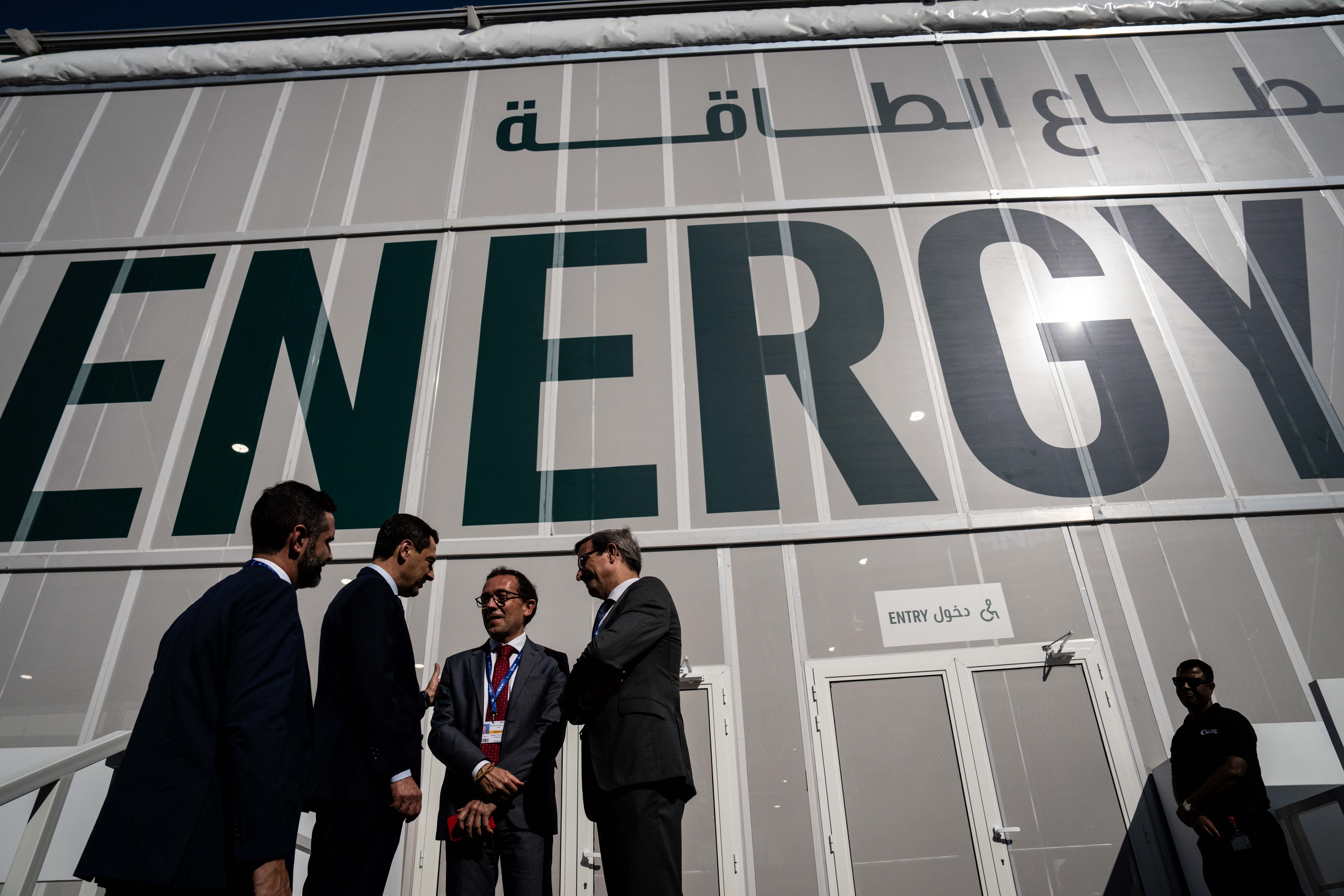
Well known examples of international meetings to coordinate action around the world include the annual Conference of the Parties (COP). The COP brings together all nation states that are members of the United Nations to agree and commit to action on climate change. In November 2023 COP28 took place in the United Arab Emirates. At COP28 participants negotiated efforts to keep global warming within 1.5 degrees Celsius. In 2024 COP29 was hosted in Baku, Azerbaijan. COP29 highlighted the disparity between those that are contributing to climate change, and those most impacted, with a focus on agreeing meaningful financial support. In November 2025 COP30 will take place in Belém, Brazil.
Within Europe, one key initiative is The European Commission’s European Green Deal. The European Green Deal (2019) aims to significantly reduce the amount of greenhouse gases produced in the European Union (EU) region. The aim by 2050 is to have zero net emissions across the EU. This involves rapidly reducing our dependency on, and use of, fossil fuels, and replacing them with green energy sources. To support this ambition, Fit for 55 legislation supports European countries to reduce greenhouse gases by 55% by 2030.
The Green Deal also recognises that to do so, the shift away from fossil fuels involves the creation of new industries and economies to support countries and regions’ reliance on fossil fuel economies.
Central to The Green Deal is that “no person and no place is left behind.” Everyone has a role to play in reducing their energy consumption and engaging in the energy transition. Conversely, everyone has a role to play in supporting others, wherever they live, to participate in the energy transition.