

What is the Digital Energy Transition and why is it important?
11. Solar Panels: Challenges and Opportunities
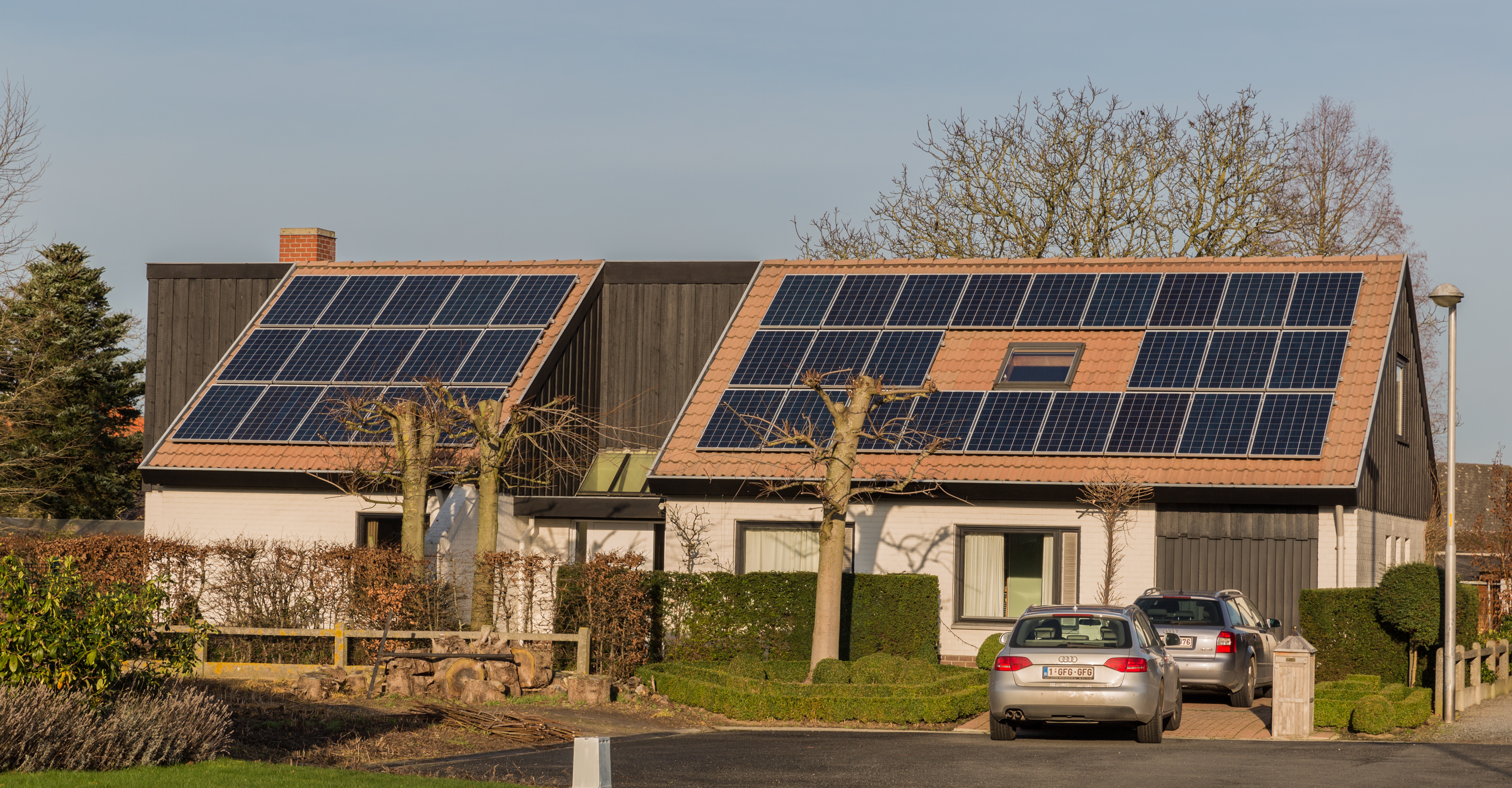
One example that illustrates both the benefits and challenges of the digital energy transition, is the increase in the installation of solar panels on individual homes or businesses.
Producing your own energy from clean technologies such as solar panels is becoming more popular and accessible as the cost of these technologies decrease. However, the possibility to invest for longer-term benefit (for example, by installing your own solar panels or heat pump) may only be open to a limited number of people who can afford the initial cost of installation. Certain types of home, such as flats, might have limited opportunities for solar panel installation. If you rent your home, you may not have much control over your energy supply or supplier.
Locally produced energy, where individual businesses or homes are producing their own energy for all or part of the time, is an example of decentralised energy production. If excess energy is produced by intermittent renewables this may be stored (e.g. in a battery) or sold back to an energy company. Additional energy may need to be purchased if not enough energy is produced.
Whether our energy comes from clean technologies or from other sources, ensuring that we have a constant energy supply is a key concern for individuals, businesses and energy companies. The ability to draw on different sources of energy at different times requires energy companies to be flexible and responsive. Digital technologies support this more complex way of producing and consuming energy by providing real-time data on what electricity is needed where and when (supply and demand). Digital technologies also enable communication between people that are both producing and consuming energy (prosumers), energy companies and consumers. This ensures that we have a reliable and consistent energy supply.
Further Reflection (5 minutes)
In this week of the course, we’ve considered some of the potential – and challenges – of the digital energy transition. Thinking about your own personal and/or professional contexts, what action or activities could you take to enhance digital inclusivity?
Write down your thoughts. If you are working through the course with others you may want to discuss your own context(s) and potential activities to support digital inclusion together.