
3. Energy Use and Smart Devices
6. Digital Meter or Smart Meter?
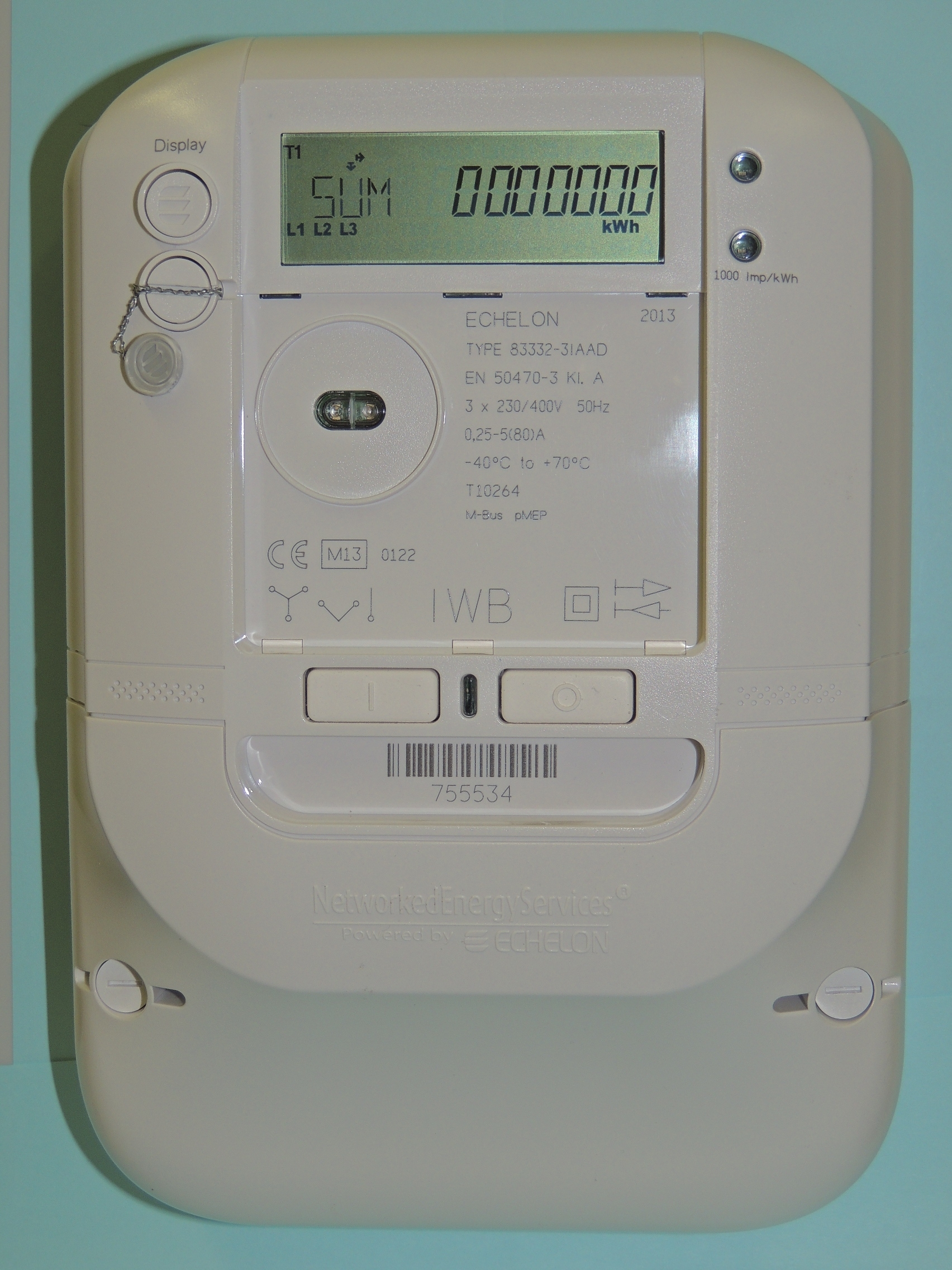
Now that we’ve considered different ways we can save energy, let’s take a closer look at how we monitor and record our energy consumption at home by comparing how a digital meter and smart meter work. Digital meters and smart meters have different purposes and functionality.
You might have a digital meter installed, which measures and displays your use of utilities such as electricity, water or gas. A digital meter is an example of digitisation. Some digital meters can store and transmit data for monitoring purposes, for example to transmit data to utility companies or a central display within the home.
Alternatively, you might have – or be considering installing - a smart meter which also records and displays your use of utilities, but also includes advanced features such as remote control, automation and connectivity features.
What makes this type of meter smart?
- A smart meter can receive and send data to the utility provider, via wireless networks or power line communication. This means that a smart meter can provide remote readings, conduct software updates etc. without needing someone from the utility company to visit your home.
- Smart meters have cyber security measures in place to protect the data they transmit and receive, ensuring your privacy and system integrity.
- You can see real-time information about your energy consumption and detailed reports on how you are using energy. A better understanding of your own energy consumption enables you to make more informed decisions about where efficiency savings could be made.
- A smart meter can also enable you to utilise multiple tariffs, so you can be charged different rates at different times of the day or year. This can help support the use of off-peak energy, when there is less demand.
- Smart meters also have further benefits for utility providers as each smart meter is connected to what is called a smart distribution grid. The information supplied by smart meters from homes and businesses enables a better understanding of how utilities are being used and supports demand response. Power outages can also be easily identified and fixed through constant monitoring of the electricity grid.
Smart appliances such as smart meters are an example of the digitalisation of energy.