

A Deeper Look at Electricity Markets
3. What factors influence electricity prices?
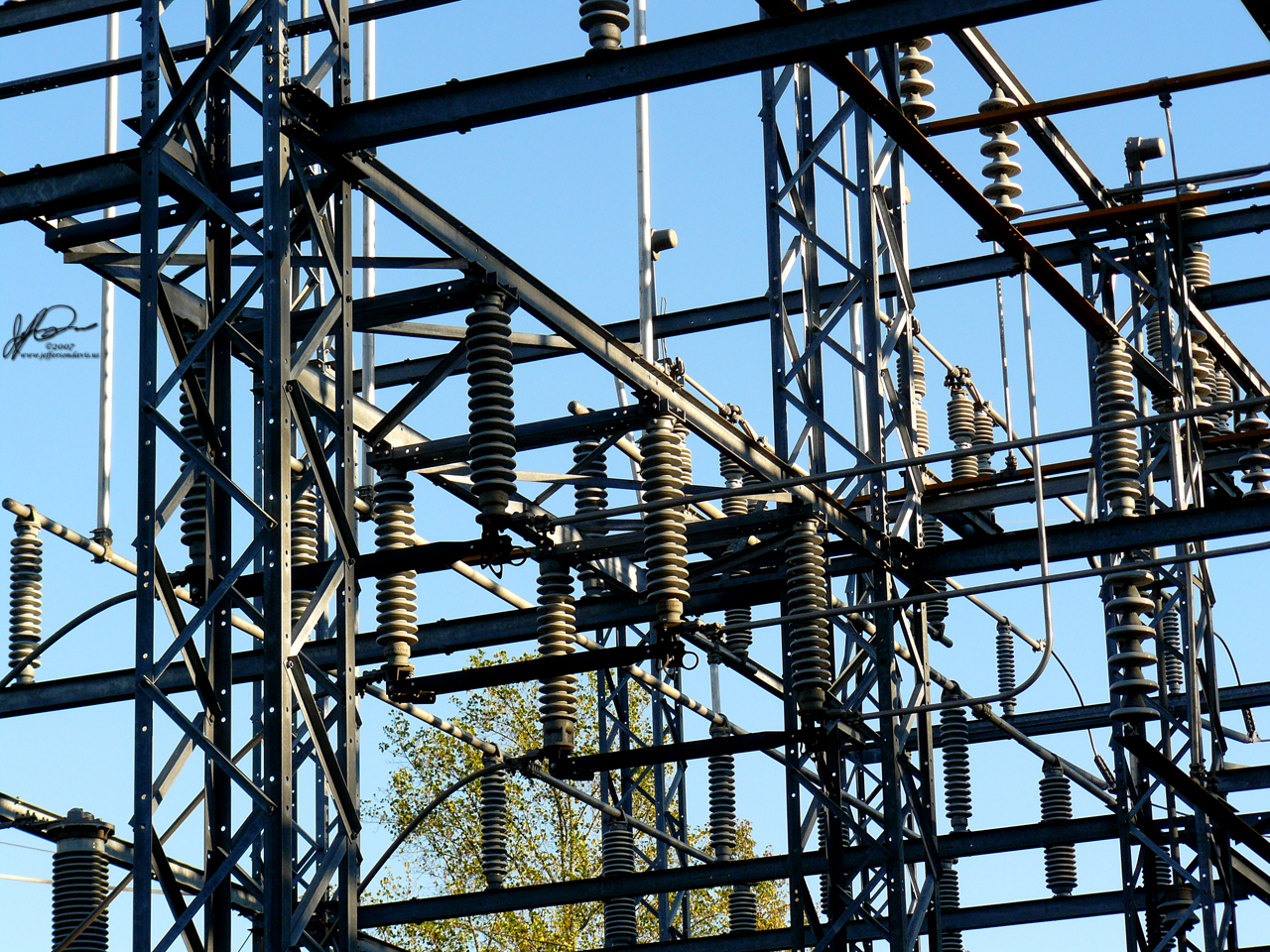
The price of your electricity is impacted by a range of factors, including demand from consumers, generation capacity and type of technology available, the weather, and availability of power transmission and distribution capacity, etc.
The weather, for example, can impact on renewable intermittency which consequently influences short-term price volatility. Digital technologies and demand response support a more balanced and stable grid.
World events can also have an impact on the price of electricity. The war in Ukraine led to a reduction in gas supply from Russia, which impacted the availability and cost of gas, significantly raising the cost of gas-powered electricity, thereby raising overall electricity prices.
The power market is divided into wholesale and retail segments. Wholesale markets are designed to balance supply and demand efficiently. Wholesale markets support bulk trading between energy producers and businesses that supply energy to your home, such as your electricity provider. The wholesale market is directly impacted by the global energy landscape and uses economies of scale and a range of financial tools to maximise profit through predicting retail market needs. Forecasting and other tools are used to manage risk and ensure stable pricing.
Policy-making aims to protect consumers from volatility in the wholesale market. Your electricity supplier, and other retailers, are intermediaries between you and the European wholesale market.
Whether the electricity market where you are is regulated or deregulated also impacts on the type of contract available to consumers across different EU member states.
Your electricity supplier ensures a reliable supply by purchasing electricity from wholesale markets. Retailers of electricity also include a variety of additional charges to consumers, to cover electricity transportation and distribution, metering and billing.
Taxes and levies vary by country and may fund renewable energy, energy efficiency, or other government programs. Retailers manage billing, payment collection, and offer customer support. They often also provide value-added services like advice on energy efficiency and other sustainable energy practices, renewable energy options, including renewable systems such as rooftop solar panels.
Retailers also promote smart meter installation for real-time data enabling dynamic pricing (e.g. time-of-use or real-time pricing), while their digital platforms help consumers monitor energy usage and manage accounts. They support prosumers (households that both consume and produce energy by, for example, having their own solar panels or wind turbine) by buying excess power generated and integrating this into the grid. However, in all these regards, retailers must comply with national and EU regulations, ensuring consumer protection and pricing transparency. As we will see in the next section, electricity suppliers offer various pricing plans to consumers, including fixed and variable rates, to attract and retain customers.
To manage price volatility, your electricity supplier will use strategies such as advance purchasing energy based on data forecasting of consumer use. Europe’s energy markets enable customers to switch providers although the ease with which switching can be achieved varies by country and may be limited by contract conditions or local market structures.