

A Deeper Look at Electricity Markets
4. Your electricity contract
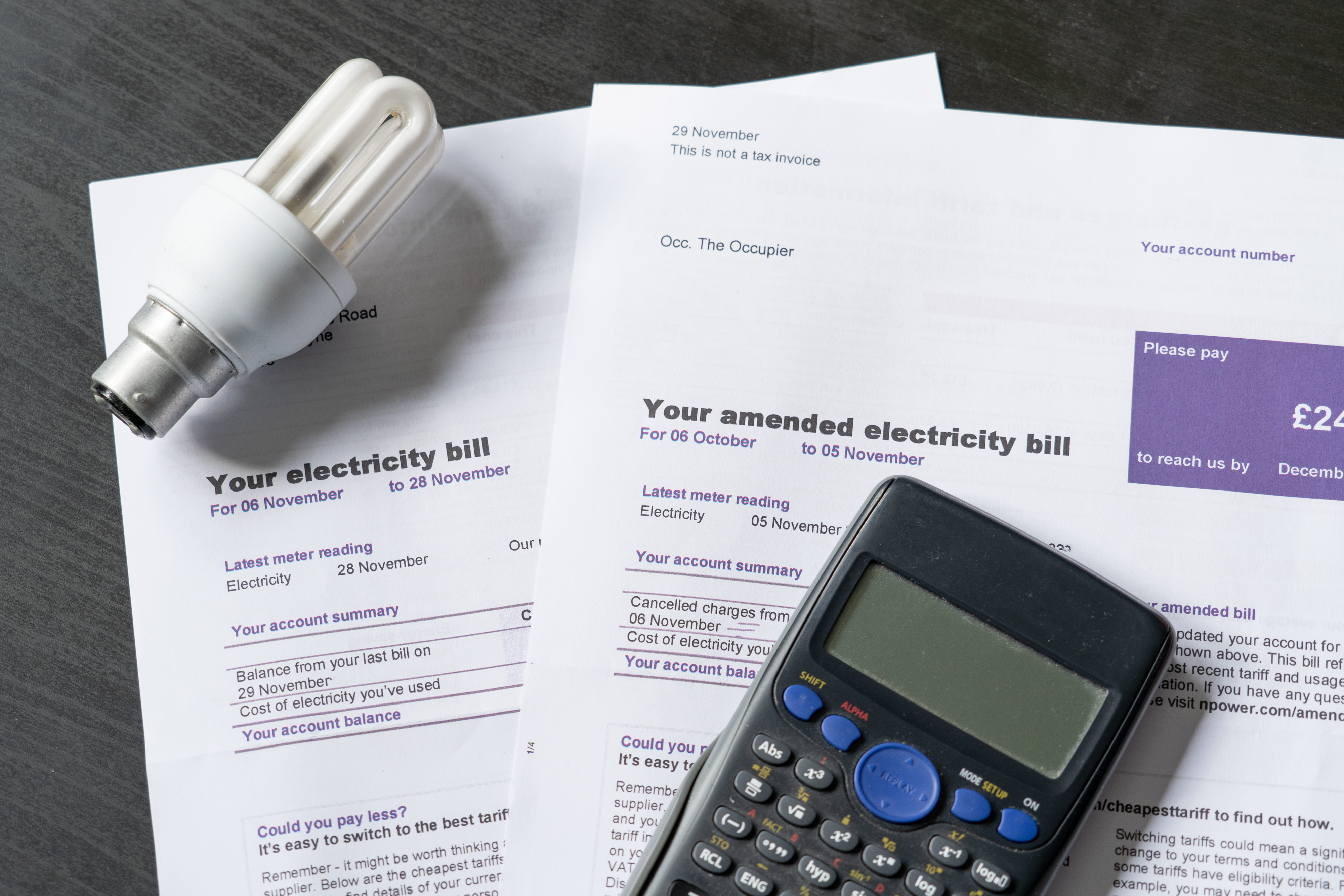
There are lots of considerations when choosing an electricity contract. Let’s take a closer look at some of the advantages and disadvantages of different types of common electricity contract:
- Fixed-rate contracts provide price stability and help with budgeting. They also protect you against market fluctuations but can therefore lead to you paying higher prices if market prices drop. Fixed-rate contracts often involve long-term commitments. This type of contract offers stability and predictability in billing.
- Variable-rate contracts have limited flexibility as prices change periodically (e.g. monthly or quarterly) to reflect shifts in the wholesale electricity market and depending on the supplier’s pricing structure. Variable-rate contracts can reflect both short-term and long-term wholesale market movements. There is the potential for savings when wholesale prices fall. However, whilst there is little protection from price volatility, contracts don’t switch price often enough to benefit from the cheapest energy, and this can result in budget challenges. You can manage your electricity usage, for example by using electricity during low-price periods.
The following types of contracts utilise demand response mechanisms, with contracts providing price shift signals to encourage usage away from peak demand. This supports grid stability and reduces the need to draw on fossil-fuel-based power in periods of high energy demand:
- Time-of-use contracts offer incentives for energy conservation, with different rates based on the time of day. This type of contract can lead to cost savings but require behaviour changes (such as running or charging appliances during low-cost periods e.g. at nights or weekends) and may be complex to manage.
- Real-time pricing or dynamic pricing contracts change continuously or frequently in response to market conditions such as electricity demand and supply, weather or other events. Prices are typically declared the day before, in hourly segments.
To help you choose the best electricity tariff for your needs, you should consider your energy consumption patterns, appetite for risk and - if you are considering a flexible contract - whether you could afford any future rapid increase in the cost of energy. Digital tools (like apps or online dashboards provided by suppliers) can help users track usage patterns and assess contract suitability.
Activity: Your Electricity Contract (5 minutes)
What type of electricity contract seems most appealing to you, and why? Make a note of your preferences. If you're working with others you may want to discuss different types of electricity contract together.