

A Deeper Look at Electricity Markets
8. Why demand response?
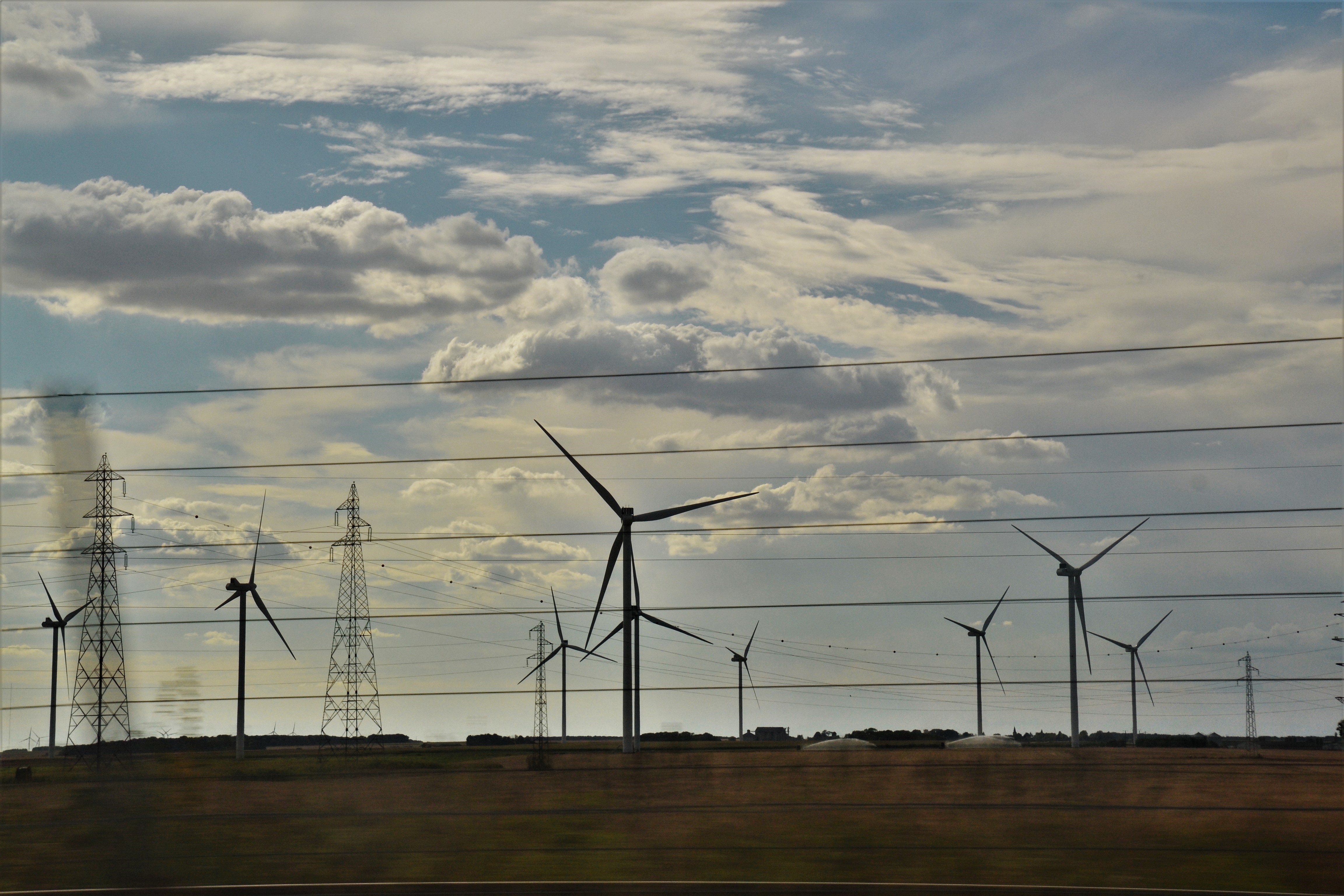
By using energy during periods where there is less demand, we are contributing to the effective management of the electricity grid. Demand for energy is increasing, and regardless of whether that energy comes from fossil fuels or clean technologies such as solar and wind, we need the infrastructure to support that increased usage.
Investing in essential infrastructure takes time and money. Whilst these upgrades are happening, demand response is one solution to support this increased demand. In April 2025, Spain and Portugal experienced a major power outage. Subsequent investigations confirmed that the blackout was caused “by technical and planning errors” in grid management, not by renewable energy sources (CNN World). An article in The Conversation Spain-Portugal blackouts: what actually happened, and what can Iberia and Europe learn from it? also explores the reasons behind the power outage.
Demand response ensures a stable and efficient electricity supply by reducing or shifting energy use during peak times. This helps prevent blackouts, can reduce energy costs, and supports the integration of renewable energy sources. As a consumer you might benefit from demand response by saving money on your electricity bills through incentives and lower rates for off-peak usage. As well as improving the reliability of the power grid, you are also supporting environmental sustainability by reducing the need for additional power plants and enabling the grid to better integrate surplus energy produced by clean domestic technologies, such as solar panels.