

Working Together for a Better World
4. Energy communities within the European context
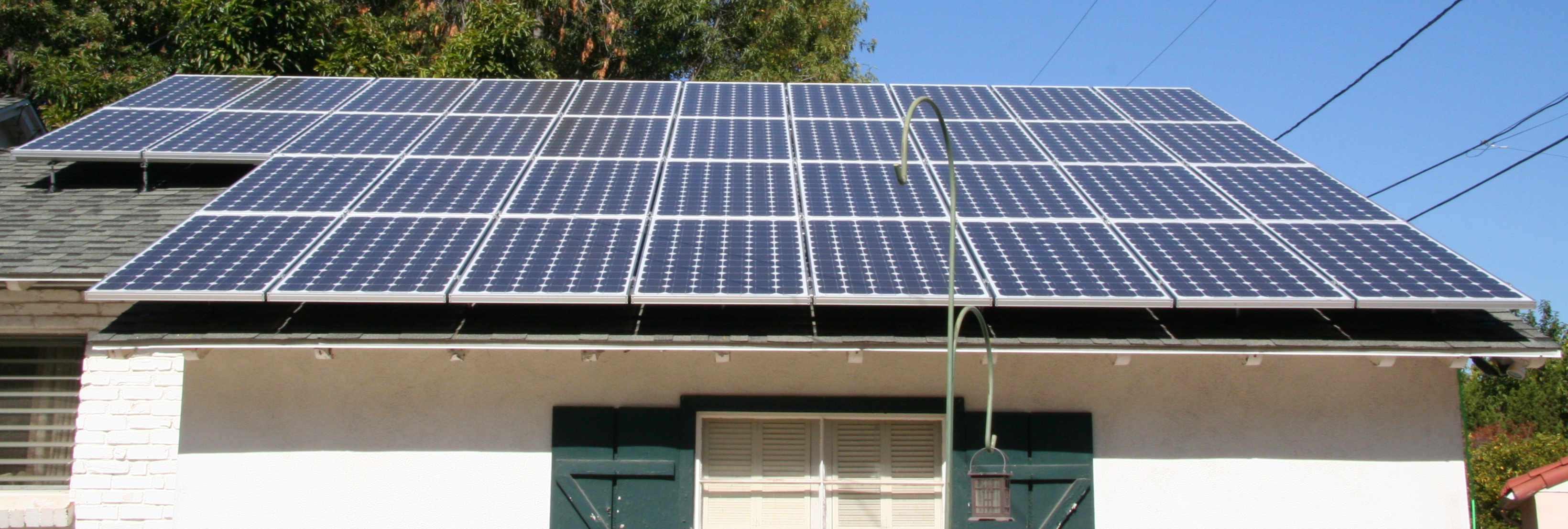
The article In focus… reports that “…as much as 83% of all EU households could contribute to renewable energy production, demand response and/or energy storage in 2050.” As seen in the last section, energy communities can empower individuals and households to be involved in different aspects of energy production. Consequently, energy communities have a specific and important role in the European digital energy transition.
There are a range of European directives that support energy communities across the bloc. Central to these is The Clean Energy for all Europeans package from 2019 which gives consumers the right to choose and take energy supply, production and storage into their own hands, either individually as prosumers, or collectively through energy communities. Building upon these rights, the energy community concept was further refined by 2018 The Renewable Energy Directive which defined 'Renewable Energy Community' (REC) and by the 2019 Internal Electricity Market Directive which defined the 'Citizen Energy Community' (CEC), and which set a regulatory framework for citizen energy communities and for renewable energy communities in the EU. You can explore the differences between REC and SEC in different European countries in the RESCOOP project’s Transposition tracker.
In May 2022 the European Commission launched its REPowerEU Plan which aims to reduce reliance on fossil fuels from Russia. As part of this initiative the EU aims to achieve one energy community per municipality with a population of more than 10,000 by 2025.
Beyond the existing EU legal framework defining and supporting energy communities, the European Commission set up two initiatives in 2022, which aim to contribute to the dissemination of best practices and provide technical assistance for the development of energy community initiatives across the EU. These initiatives are working closely together, with internal transfers of communities being possible depending on their needs.
- The Energy Communities Repository assisted local actors – including citizens, local authorities, and businesses – with setting up and advancing clean energy projects driven by energy communities in urban areas across Europe. This initiative will provide different forms of support to at least 150 energy communities, mainly through data collection and analysis and technical assistance.
- The Rural Energy Community Advisory Hub aims to accelerate the development of sustainable energy community projects in the EU’s rural areas. Its main objective is to identify best practices and provide technical assistance and networking opportunities to support local authorities, businesses, farmers and citizens in setting up their own rural energy communities. With specific technical and financial support, these communities can improve energy security and bring economic benefits and employment opportunities to rural areas.
Building on their success, and as noted in week four, the Commission launched the European Energy Communities Facility in September 2024. This new project, running until 2028, consolidates the work of its predecessors and will distribute grants to at least 140 energy communities to help them develop robust business and investment plans. European funding also supports initiatives such as the Energy Community Platform, which provides practical support and networking opportunities for people setting up energy communities.
You can read more on the European Commission’s support for renewable energy, reducing the cost of energy and ensuring energy security in Electricity market design.