

Working Together for a Better World
5. Energy community trends
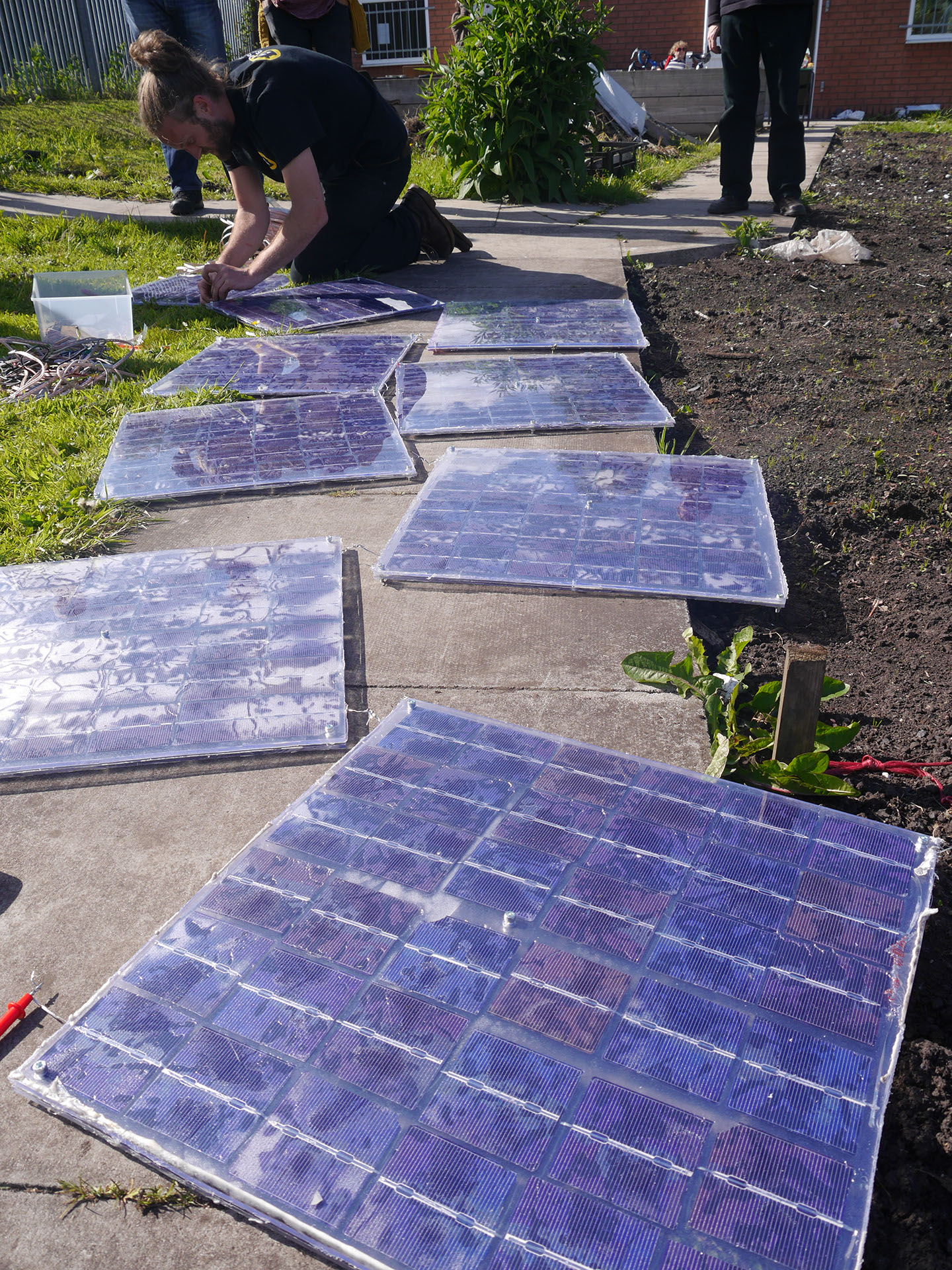
Energy communities in the EU provide citizens, businesses and local authorities an opportunity to actively contribute to climate change mitigation and to the transition to a renewable, resilient energy system. As at early 2024 there were more than 9000 energy communities in operation across the EU. As they are often financed by local authorities, small businesses or citizens, and run by citizen volunteers, energy communities are faced with a lack of time and resources to develop, implement, operate and expand their energy projects. These issues lead to a variety of barriers, such as burdensome and complex administrative registration, obtaining permits, grid access and licensing procedures. Public and technical support and funding opportunities are equally important to remove barriers to their development.
In the face of current and future energy price shocks, energy communities are well-equipped to ensure access to affordable clean energy for consumers, whether it is through supporting members to become prosumers or by shifting or reducing demand at times of energy price peaks, imbalances or congestion issues. Under the impulse of empowered consumers, energy-sharing or collective self-consumption can become an economically viable solution to circumvent gas wholesale market prices and facilitate access to low-cost renewables, but energy communities should be connected to optimise grid capacity and avoid local congestion.
Energy communities will play a prominent role in spreading renewable energy technologies across the EU and will therefore contribute to the EU’s renewable energy production targets and to its decarbonisation objectives. Moreover, they have the potential to empower consumers and put communities at the heart of the energy transition, creating economic resilience through local revenue streams, reinvesting benefits into the community and reinforcing solidarity among its members.