

Managing your supervisors and other professional relationships
5. Other important professional relationships
5.4. Networking outside your institution
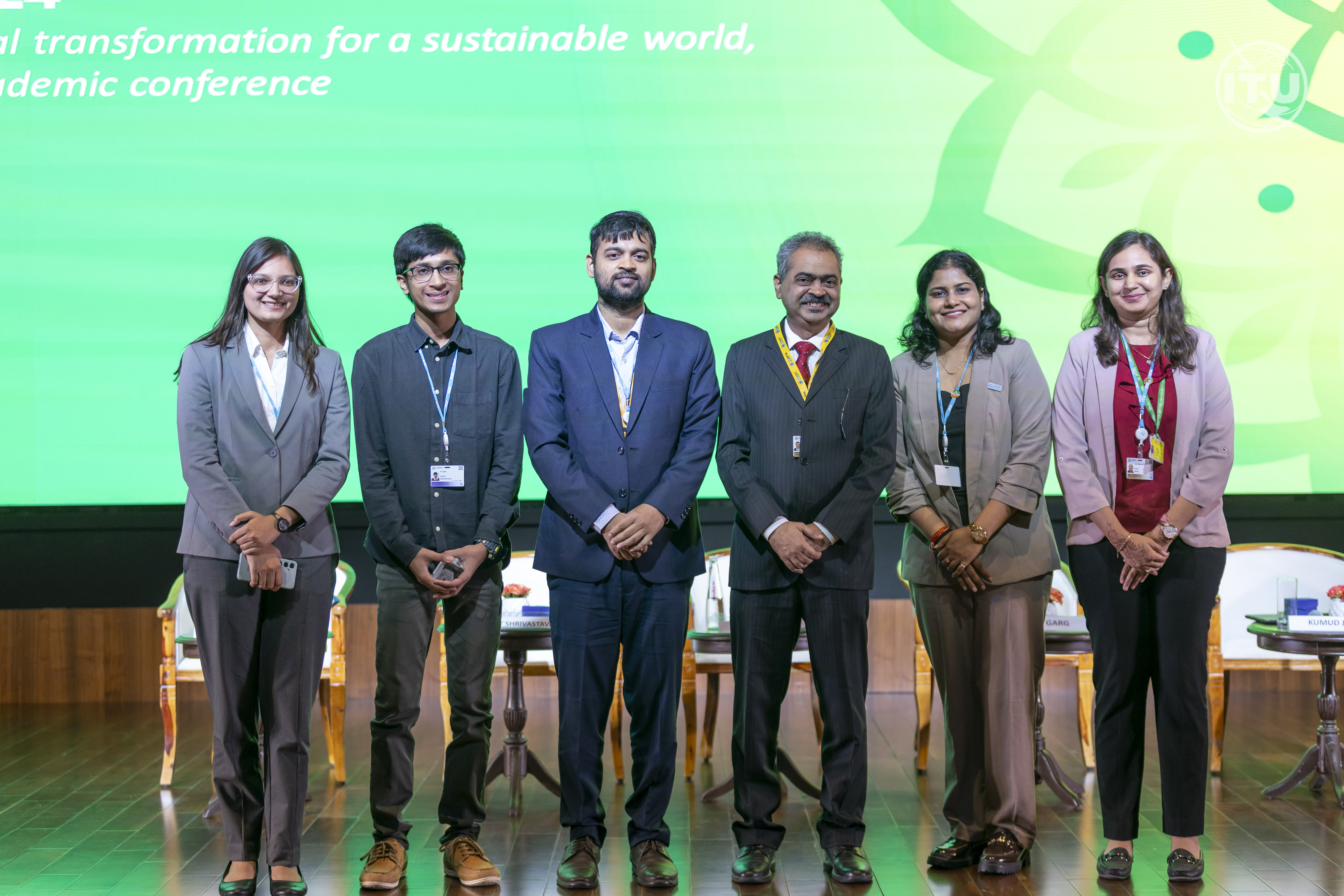
As you develop your research career, you will increasingly need to demonstrate that your work is impactful and respected outside of your own institution. Developing an external network of contacts is also essential for keeping track of developments across your research area. As Gavin Brown (2021) points out:
“A very important part of research is getting to know the other researchers who also work in your area- your research community. And I don’t mean the other students in your office. I mean students and professors who might be on the other side of the world. Why is this important? Because these are people you can learn from. They will write papers very close to your interests, and thus you can learn something about how to solve your own problems, or find new directions for your work. Because these are the people who will be reviewing the papers you submit- so you should know their mindset, and predict the sort of criticisms they might make of your work. Because these are the people who are just as excited about the ideas as you are, and it’s fun to talk."
(Brown 2021, p.39-40)
So, how do you go about networking outside of your institution? Here are a couple of quick pointers to get you started:
Join learned societies
A great way to network in your wider subject area is to join one or more learned societies connected to your subject area. Your supervisors and other academic colleagues will probably have suggestions about the best ones to join.
Engaging with PGRs and supporting the next generation of researchers is a key focus for many of these organisations. You will usually find that they have a lot of opportunities for voluntary work that will help you to make good contacts in your research area and build your CV- getting involved with conference organising, joining committees, and attending events are all ways in which you can become part of the research community surrounding your topics of interest.
Attend conferences and seminars
Attending conferences and seminars, in person or virtually, is another good way of building your network. Your supervisors should be able to suggest conferences that would be good places to share your work, and to advise on potential sources of funding for in-person attendance.