

Intellectual property and copyright for researchers
2. What is intellectual property?
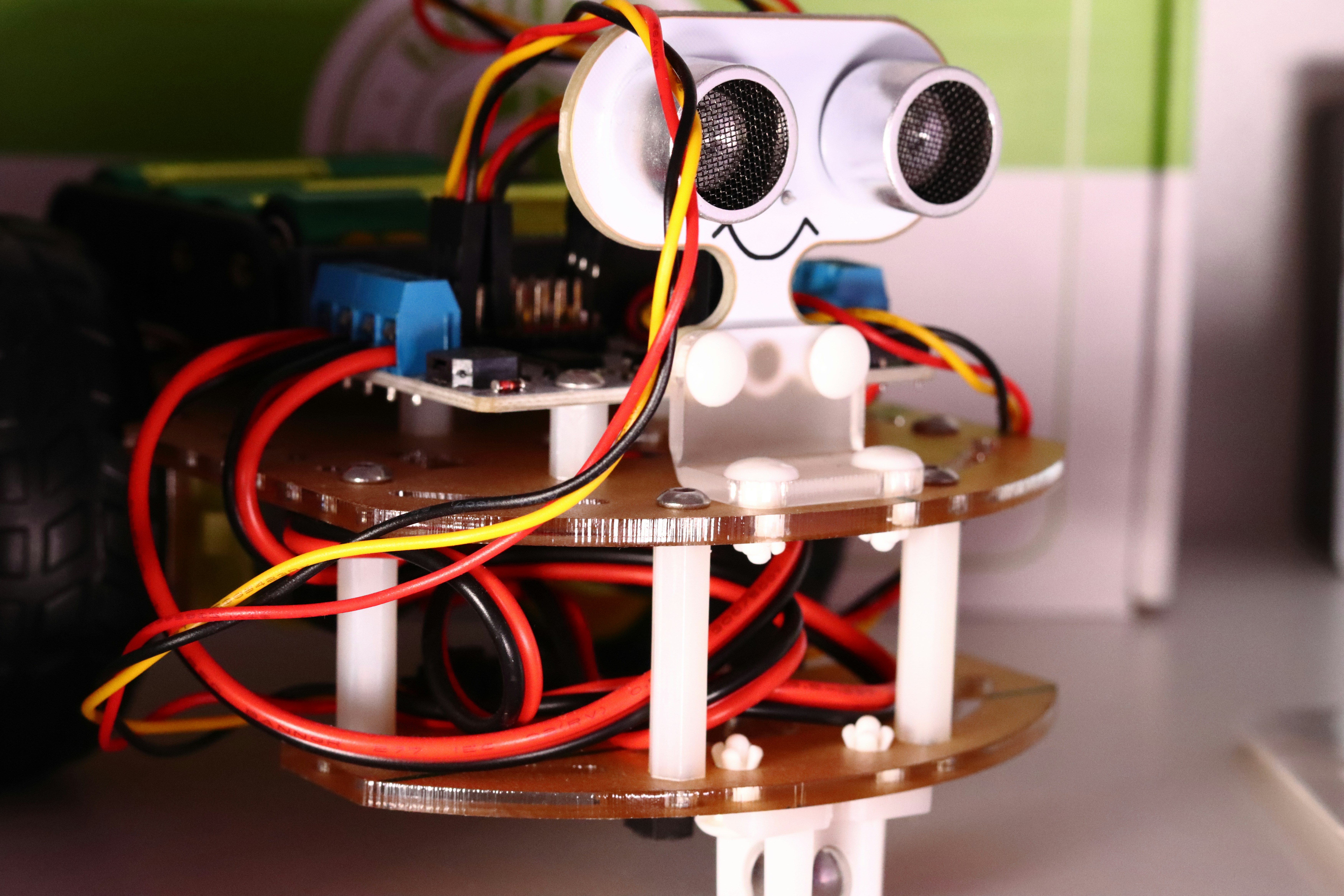
Intellectual property (IP) is the generic term given to something unique that has been physically produced through intellectual creation. It is important to note that an idea alone does not create IP; you must express that idea in a fixed form- for example, in a book, a film or a product.
Examples of research outputs that are considered IP include:
- Inventions (patentable or not)
- Know-how (new knowledge)
- Methodologies
- Research data
- Educational/training materials and tools
- Databases
- Questionnaires
- Modelling tools
- Solutions to technical problems
- Design/artistic products
- Software.
The IP can belong to people, organisations or businesses and it can be licensed, sold or transferred. In some cases, IP may be owned by more than one party.
Activity 1: Your research outputs and IP
Allow approximately 5 minutes for this activity.
Can you think of any examples of IP you have already created or will plan to create? What form will they take? Do you think it is important to identify and manage your research IP?
View Comment
You may have already gathered some research data, planned some questionnaires, or you may even have ideas for an invention that could be patented. Whatever made your list of IP examples, it is important to think about what you have already, what you will have in the future and how they can be managed.