

Intellectual property and copyright for researchers
3. Protecting IP
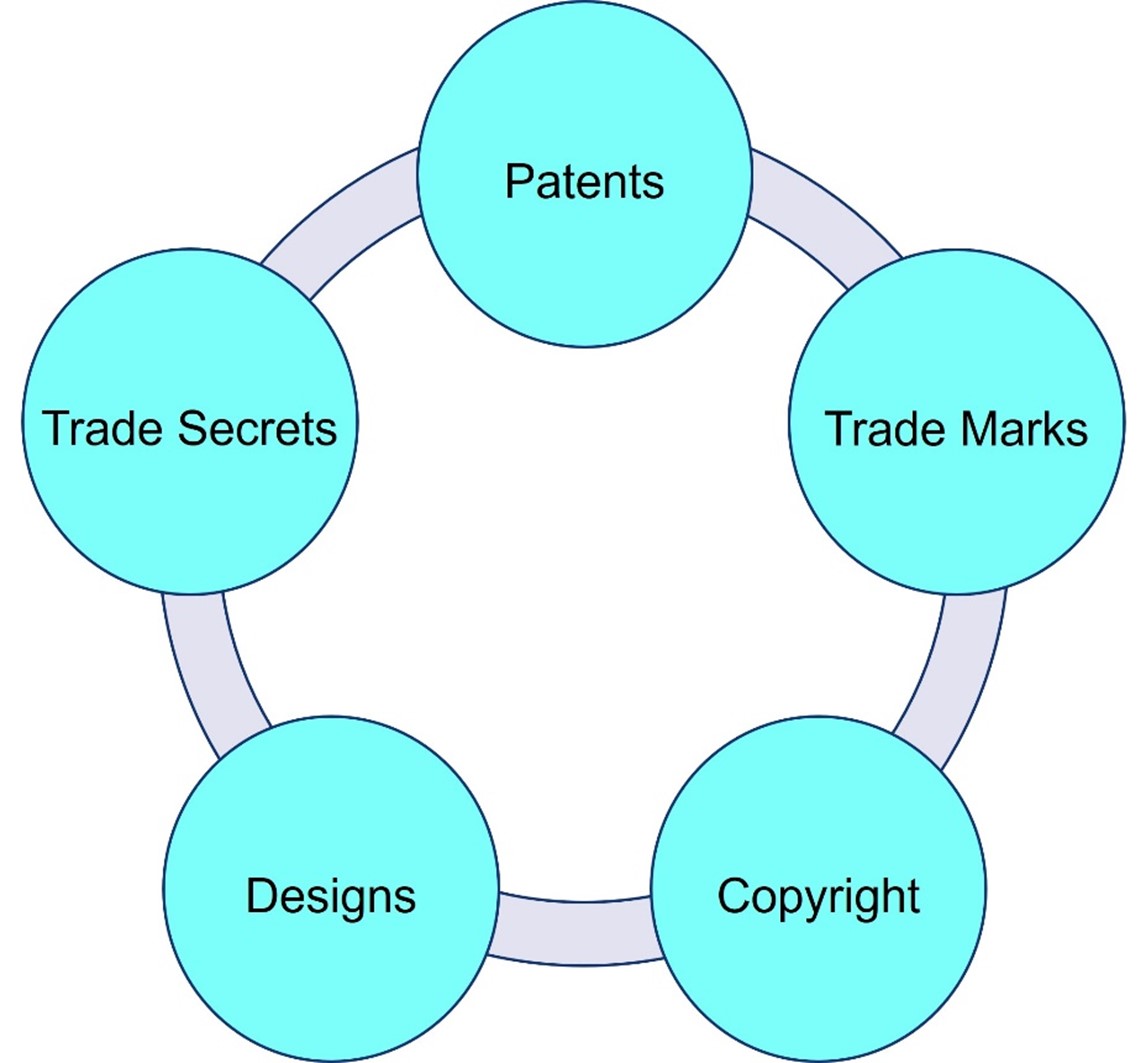
How can we protect research IP? There are several mechanisms to use for the protection of IP in the UK. These are patents, trade marks, copyright, designs, and trade secrets. One or more of these protections may apply to your research IP. In the UK there are two main laws that govern matters relating to IP- the Copyright, Designs and Patents Act 1988 (CDPA) and the Patents Act 1977. These acts outline the legal rights of IP owners and help to define the ways in which an IP owner can control the use of their creations.
Patents: Patents protect inventions and a formal process of registration is required. These protections last for a duration of 20 years (see section 3 for further details).
Trademarks: Trade marks cover items such as logos, slogans, themes by colour or shape (an example of this is the well-known and distinctive product shape and coloured labelling of a cola bottle), domain names and music. These are signs that will distinguish certain goods or services from one another. An example of this would be your university’s logo. Like patents, registration of trade marks are required and have a duration of 10 years in the UK before they must be renewed to ensure the registration stays enforced.
Copyright: No formal registration is required for copyright. Once an item has transferred from an idea to a physical format, the copyright will belong to that creator. For example, this can be:
- A book.
- A report.
- Architectural plans.
- Music.
- Video.
- A play.
- A photograph.
As copyright protection is territorial, the UK has different copyright laws to other countries in the world. In general, copyright protection will last for 70 years after the death of the last author of a work, but this varies depending on the type of work it is.
Designs: Registered designs would cover shapes or configurations in 3D and/or patterns or ornamentation in 2D. Designs must be registered and are protected for a minimum period of 5 years up to a maximum of 25 years.
Trade Secrets or 'Know How': As this is related to IP that is unpublished, classified or secret, no formal registration of this knowledge is needed to protect it and is unlimited duration. The onus will be upon the IP owner(s) to keep this knowledge safe and to ensure confidentiality.
Activity 3: Which IP protection is right for your research?
Allow approximately 10 minutes for this activity.
Patents, trade marks, copyright, designs and trade secrets can help to protect different elements of your research. Can you think what each element may protect in your research? Make a copy of the table below and consider each protection in turn.
Table 2: Protecting your research
| Protection | Example of how this might protect my research IP |
| Patents | |
| Trademarks | |
| Copyright | |
| Designs | |
| Trade secrets |
View Comment
You may have listed items such as:
- Copyright – literature, art, sound recordings, broadcasts, software, multimedia.
- Patents – inventions.
- Trade marks – brands, names, logos, colours.
- Designs – product appearance.
- Trade secrets – know-how
As you have seen in this section, there are several ways of protecting your IP. In the next section, you will learn more about how to protect your IP using patents.