

Intellectual property and copyright for researchers
4. Patents: What are they?
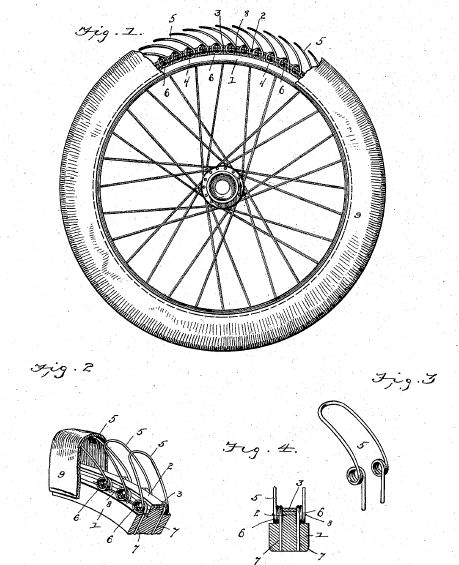
A patent is a legal document that protects inventions. It protects both the features of an invention and the processes that go into creating it; how it works, and why, the materials used to make it, and how it is made.
To obtain a patent, fees must be paid to the Intellectual Property Office in each territory where protection is sought. The cost of a patent can vary depending on how many territories you wish to register your patent in. A patent can be registered to the UK-only, or other countries around the world. Patents are also subject to annual renewal fees.
Once a patent is granted, it provides the inventor with the ability to use legal action to stop others from stealing the invention. They will not be able to make it, use it, distribute it or sell it without permission (by licence) from the inventor. This protection lasts for a period of 20 years from the date of filing the patent application, also known as the priority date, as along as annual renewal fees are paid.