

4.8 Leading from where you are
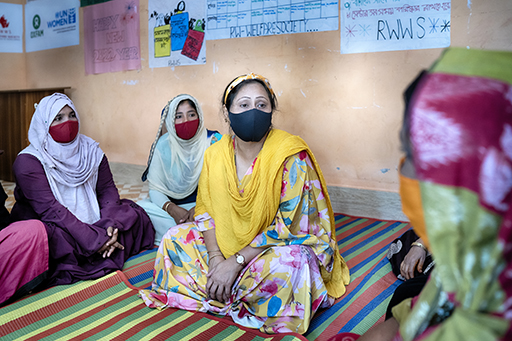
First and foremost, leading change is about having the commitment to make change happen. It’s the first resource, the first ‘spark’, which makes change possible. Demonstrating that commitment and inspiring others to do the same will be critical to success.
This ‘Dancing guy’ video takes an unusual approach to showing the role of the leader, as well as that of the first followers, in building a movement of people.
If you have a passion and interest in making change happen, the chances are that you are a leader, even if you don’t see yourself as one.
There are many definitions and theories of leadership and many different approaches and styles – from the autocratic to the democratic, from the transactional to the transformational. Different organisations, businesses, institutions, cultures and countries have developed or adopted their own particular leadership approaches over time.
For many social justice activists, organisations and local community groups working collaboratively and ensuring everyone’s voice is present and heard are key principles by which they share leadership.
Over the last several decades feminist activists and women’s movements, particularly in the majority world, have taken the lead in redefining leadership through a commitment to create alternatives to traditional hierarchical leadership cultures. These alternatives cover many aspects from critical self-reflection to new collective decision-making structures. An increasing number of social justice organisations and activist group across the globe are adopting feminist leadership principles and approaches into their practice.
Feminist leadership calls on people to individually and collectively transform themselves and to:
- use their power, resources and skills in non-violent, inclusive ways
- mobilise around a shared agenda for equality and the realisation of human rights for all
- emphasise consensus and cooperation over competition
- share power and decision-making
- champion diversity and ensure all people are valued in a supportive environment
- aim to overthrow patriarchal power structures, and advocate for social, economic and political equality for women
- focus on values such as authenticity, honesty and empowerment
- recognise that feminist activists and their organisations are leading struggles for social justice around the world, and must continue to be at the forefront.
Fundamentally, feminist leadership recognises that change in the world starts with ourselves. In order to contribute to broader transformation, we must be prepared to self-reflect and challenge ourselves.
 Activity 4.2: Reflecting on your characteristics
Thinking about the characteristics for leading change that we’ve identified in this unit, it’s useful to reflect further on our own role as changemakers. Here are some guiding questions:
- What do you think are the most important characteristics for an effective changemaker and why?
- What characteristics do you feel you are strong in?
- What characteristics do you find challenging and why?
Add your reflections to the free text box, in the Make Change Happen Plan or in your own notebook.
4.7 Characteristics of effective changemakers

