

7.7 Understanding risks
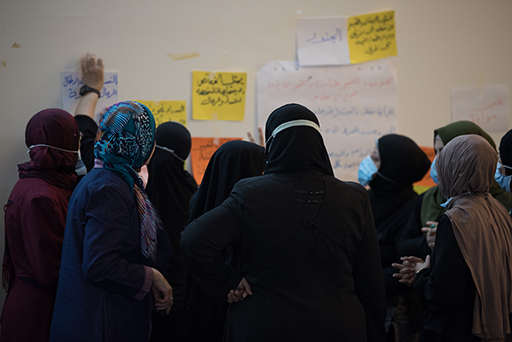
Being a changemaker and advocating for social, policy or practice change is inherently risky. If you are not prepared to take calculated risks, in certain situations, you are less likely to achieve your change. You may need to challenge the status quo or people and institutions who have power and influence. You may be exposing previously hidden conflicts or neglected issues or groups. There could be unintended consequences or even danger for yourself or others. If your group or community is marginalised or vulnerable to people, institutions or authorities who exercise power in a negative and harmful way, then you must take great care to consider and then mitigate any potential harm that might arise as the result of your actions.
Examples of risks you might face as a changemaker are as follows:
- Risks to your own security or to the safety of your supporters or community from speaking out, such as being arrested or faced with violence, including risks from authorities and risks within the household (such as gender-based violence).
- Hostile reactions from the community or from a particular section of society. For instance, when you are challenging social norms.
- Hostile reactions from the media.
- Damage to assets and property.
- Unprotected personal data for you and your allies saved on your phone or computer is accessed by hackers.
- Upsetting officials and politicians who might not want to engage with you.
- Legal action from someone you might have defamed.
- Damage to your reputation and the relationship you have with your supporters and allies.
- Increased scrutiny of your organisation’s finances.
- Online harassment through social media.
- Active oppression by agents of states, companies or institutions whose positions you are aiming to change.
It’s important to recognise that there is both a negative and a positive side to taking risks. Change inevitably holds risk and some well managed risk can lead to reward. Taking risks is about the courage to choose a course of action that could succeed or fail. It’s also about understanding the risks clearly, and being able to identify ways to minimise them while being able to maintain your goals for change. It’s about dealing with uncertainty about the results of a particular action or tactic you might use to make a change and taking appropriate mitigating action.
 Activity 7.3: Preparing to mitigate risks
You will find a table in the downloads below where you can identify the risks you might face for your three change objectives and the tactics you are considering as part of your action plan.
It will help you make a judgement about what risks are realistic, what risks you are prepared to take to achieve each of your objectives and how you can minimise any adverse impacts. Risk mitigation is about identifying the risks that are most likely and potentially of highest impact and focusing on those.
It may be that some risks are smaller than others and relatively easy to mitigate. For example, they may mean small adjustments to your current ways of working, like using an online password generator, installing a paper shredder next to your recycling bin, changing your route or regular meeting place. Others may take more planning and consideration. The goal is to create sufficient safety or protection to continue to do the things you want to do – rather than change your approach altogether.
To help get you thinking we have taken one of the objectives from the Zambia example we shared and identified potential risks.
You will find a copy of this table in the Make Change Happen Plan and in the downloads area below. Alternatively, you can use the free text box or your own notebook to note down the risks.
7.6 Developing your action plan

