

2.2 Analysing the context of change
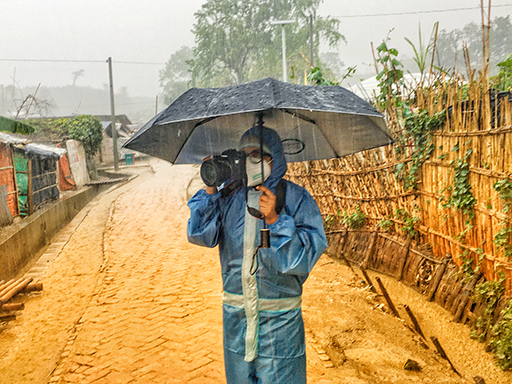
Analysing the external context is an important early step in understanding how change could happen on your issue and what your contribution could be. It encourages us to observe current trends, while also looking out for emerging issues. It enables us to take advantage of external opportunities for change, whilst also being conscious of the obstacles that exist. It is an exercise we should be reviewing regularly to stay alert to changes in the external environment and to help us adapt to them.
There are many ways of doing this. One well-known approach is to identify the political, economic, social and technological factors or trends that might affect the way change happens on the issue you are interested in.
This is known as a PEST analysis. It can also include an analysis of the legal and environmental trends (known as a PESTLE). These tools can be used to identify the national or global factors impacting on a specific change issue but can also be used and adapted to the local context for community-focused change issues. In the table below we have given you a few examples of the factors you may wish to consider, but there are many more.
| Factors at the global, national, local or individual level influencing the issue | Opportunities for change | Obstacles or constraints to change |
|---|---|---|
Politics and Power Dynamics e.g. elections, government policy, reform processes, leadership changes, decision-making timetables, public budget processes, changes in political space, new social movements, campaigns, capacity of citizen groups to engage in dialogue with institutions, international pressure, women’s participation | ||
Economics e.g. market trends, corporate interests, business practices, taxation, inflation, cost of living, minimum wage, recognition and value of care work | ||
Society and Culture e.g. public opinion, social norms, behaviours of public officials, public role models, shifting attitudes or beliefs, institutional cultures, religious influence, dialogue or tensions between different groups, position of the mainstream media, changing roles of different groups in society, gender norms, inclusion of racialised groups | ||
Technology e.g. changing communications and social media channels, changes in the way services are delivered, green technology, artificial intelligence, data collection | ||
Underlying, long-term trends and shifts e.g. climate crisis, demographic changes, resource degradation, drivers of conflict |
Remember an exercise like this is your own understanding of the context. People from other backgrounds and walks of life may have very different perspectives on the same context, and see opportunities where you see constraints, or the other way round. It is also important to remember that gender and intersecting identities are key considerations as we understand a PEST analysis. The more you can reach out to gain a diversity of perspectives when undertaking your context analysis, the more relevant and effective your changemaking efforts are likely to be.
 Activity 2.1: Analysing the context of change
Take some time to think through a PEST analysis for the change that you wish to see, that you visualised in Unit 1.
You can then ask yourself:
- What are key trends or factors that are most relevant for you or your community, and the change you are seeking?
- What specific opportunities or challenges might you need to take into account as you undertake your change activities?
Add your thoughts to the free text box, in the Make Change Happen Plan or in your own notebook.
In the next step we will be using a different analytical tool to help us think more clearly about how and where change happens and how we can map out a strategy for change. This will help inform what specifically needs to change and where we should put our energies as changemakers. This change analysis tool considers what the individual and systemic factors affecting change are, and the formal and informal spaces where change happens.
2.1 Introduction to Unit 2: Understanding the context of change

