

2.5 A note about change and conflict
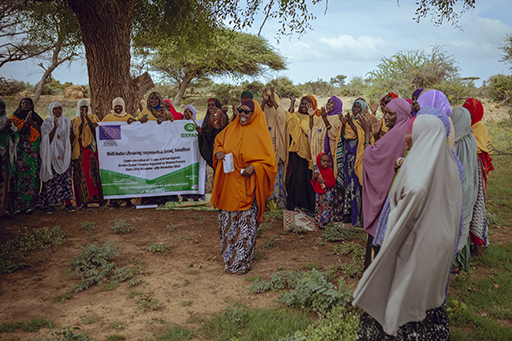
Making change happen is seldom an entirely peaceful process. If what you are trying to change challenges some people’s beliefs or interests, they are likely to oppose you, whether verbally or physically. Whether you are trying to achieve change at the national or local levels, you need to assess and monitor these risks and think about how you will manage them, for example, by being ready to counter verbal attacks, building solidarity or by building relationships with supporters in positions of power who can help defend against any aggression. We will cover more about assessing and mitigating these risks later in the course.
Questions to consider when thinking about conflict and risk as part of your analysis of the context include:
- Which groups of people are in conflict with each other? This does not need to be violent conflict, but what are the dividing lines along which people are separated?
- What are the issues that cause the most tensions between these groups? What are they competing over, or what drives their differences of opinion?
- How might these different groups perceive the kind of change that we are seeking to pursue? Which groups will support or resist it, and why?
2.4 Examples of change from around the world

