

4.3 What do we mean by collective action?
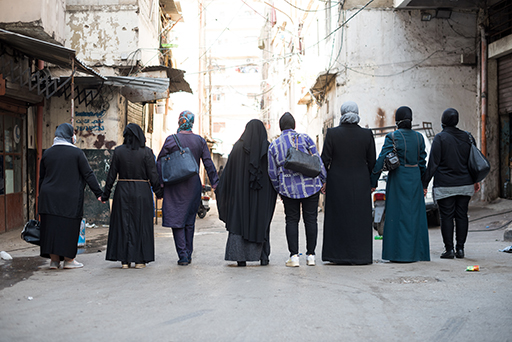
Collective action – working with others – is a critical element of achieving change. It is a form of ‘power with’ and is more effective than each interested individual working alone.
Collective action can operate at a local community level. Or it can address systemic social and political issues on a grander scale, where social movements can play a significant role nationally or across borders.
Social movements are important actors for change around the world. You may already have been part of one or more movements as someone with a passion for making change happen.
Whether it's a struggle against violence and impunity, for a more democratic regime, or more specific demands such as land reform, the right to marriage, policies to combat climate change, or the passing of gun control laws, it is often the power of people organising, marching in the streets, and connecting via social media that proves a crucial factor in creating pressure for change.
Even when unsuccessful in achieving their overall objectives, there is great power in organising in this horizontal way, and building solidarity around common identities and grievances.
Movements of disability activists, Black, Indigenous and People of Colour, women, transgender people, students, or garment workers uphold the principle of ‘nothing about us, without us’. Participation in such movements gives us hope that we are directly involved in the process of building a better world. For activists who are not at the grassroots, there is an increasing emphasis on supporting such movements, and being careful to avoid ‘getting in the way’ of local leadership and action. Depending on the issue, your natural allies are most likely to be other local people and civil society groups, those who are directly affected by a particular issue, and whose cause you can also get behind in a sensitive and truly supportive manner.
Your plan to make change happen might also need to include working with people who are undecided or who are not fully aware or understand the importance of the issue. And it will likely also include those who are blocking your change, either directly or indirectly. It should also challenge you to think carefully about your role, your own power, how you or your organisation is truly perceived, and what this means for how you work with others.
Collective action can mean working with people or groups who have a different point of view, different life experiences or different ideas about how change happens and what the priorities should be. So, as well as building relationships with like-minded individuals and organisations who champion your cause you may also need to reach out to others who you would not normally align with but who could bring benefits to your cause. These are people or organisations who may be respected and listened to by those who have decision-making power, such as business leaders, academics or local chambers of commerce.
4.2 What is the power of collective action?

